Lisa Mariana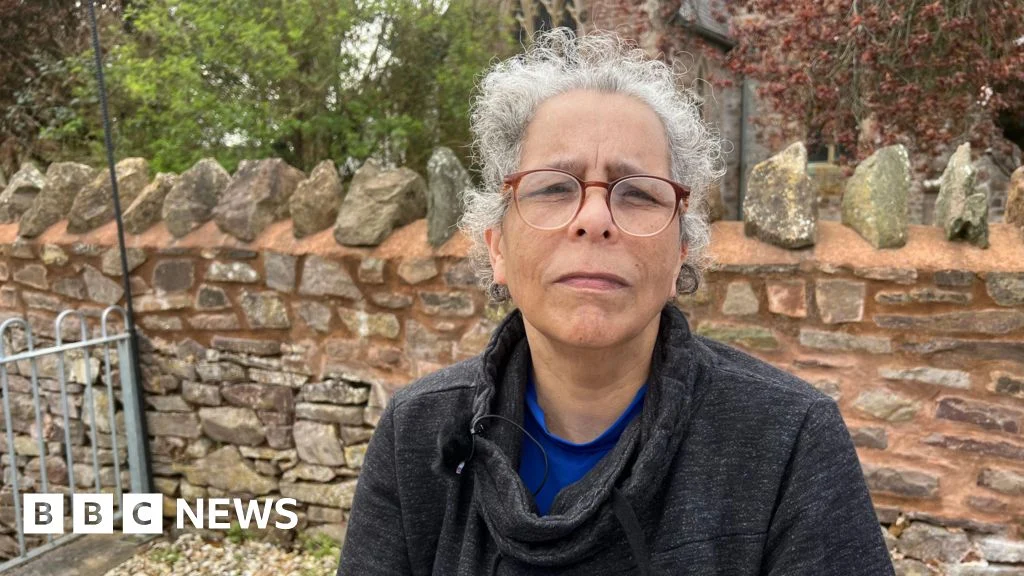
The profound and enduring trauma inflicted by historical forced adoption practices in the United Kingdom has once again been brought into sharp focus through the poignant testimony of individuals like Vik Fielder, whose mother tragically succumbed to suicide decades after being compelled to surrender her newborn. This deeply personal narrative underscores the broader imperative for the UK government to issue a formal apology, acknowledging the systemic harm inflicted upon an estimated quarter of a million British women and their children, a pivotal step deemed essential for collective healing and restorative justice.
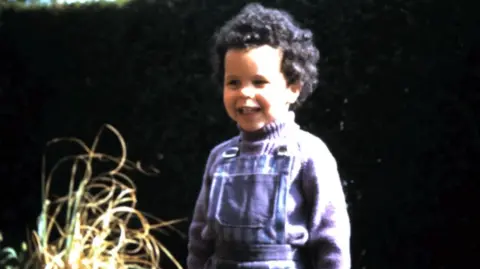
Vik Fielder, now 54, stands as a vocal advocate in a growing chorus demanding official recognition and redress for a practice that irrevocably altered countless lives. Born in 1971, Fielder was adopted at just seven days old, a direct consequence of her then 18-year-old unmarried mother being coerced into relinquishing her child. This devastating act, a common societal dictate of the era, cast a long and dark shadow over her mother’s life, ultimately leading to her premature death by suicide at the age of 38 – a tragedy Fielder unequivocally links to the profound grief and trauma of losing her daughter. "She had no other choice," Fielder asserts, reflecting on the grim reality that dictated her mother’s fate and, by extension, her own.
The journey to uncover her origins and the truth of her mother’s suffering was a painstaking one for Fielder. Through the modern marvel of genealogy websites, she eventually connected with a relative who confirmed the heartbreaking news of her mother’s passing in 1992. This discovery not only deprived Fielder of the opportunity to ever meet her birth mother or father but also unveiled the existence of a sister, living merely 40 miles away, with whom she had unknowingly been separated for five decades. The realization of lost familial connections—a relationship with her sister, and by extension, for her own children with their cousins—is a source of immense pain, a void that can never be fully reclaimed. "We didn’t know about each other for 50 years, that hurts because it’s a relationship that I could’ve had with her, it’s a relationship that my children could have had with their cousins which we could never get back," she laments, highlighting the cascading, intergenerational impact of these past policies.
The historical context surrounding these adoptions is critical to understanding the depth of the injustice. During the mid-20th century, particularly from the 1950s through the early 1970s, societal norms in the UK exerted immense pressure on unmarried mothers. Bearing a child out of wedlock carried a heavy social stigma, often resulting in ostracization, shame, and limited opportunities for both the mother and child. Institutions, including religious charities, maternity homes, and social services, frequently played a central role in orchestrating these adoptions, often presenting them as the only viable, or even "morally correct," option for young women deemed incapable of raising a child independently. These mothers, often vulnerable and lacking financial or social support, were routinely denied adequate information, counseling, or genuine alternatives, effectively rendering their consent nominal rather than truly voluntary. The narrative of "the best interests of the child" often overshadowed the fundamental rights and emotional well-being of the birth mothers, leading to widespread practices that are now recognized as deeply unethical and damaging. The sheer scale—approximately 250,000 women affected—underscores the systemic nature of these practices, representing a pervasive societal and institutional failure.
The psychological repercussions for both mothers and adoptees have been profound and enduring. For birth mothers, the forced relinquishment of a child often resulted in lifelong grief, trauma, and a sense of unresolved loss akin to bereavement, often compounded by societal silence and shame that prevented them from openly mourning. This can manifest as chronic depression, anxiety, post-traumatic stress disorder (PTSD), and difficulties in forming future relationships. Vik Fielder’s mother’s suicide serves as a stark and tragic illustration of the extreme psychological toll such an experience could take, a direct and devastating consequence of the trauma she endured. For adoptees like Fielder, the early separation can lead to complex identity issues, feelings of abandonment, a persistent sense of rootlessness, and challenges with attachment and trust. These "primal wounds" can manifest in various mental health conditions, including anxiety disorders, depression, and difficulties in self-identity, often requiring extensive therapeutic intervention. Fielder herself attests to a four-year struggle to access appropriate mental health treatment for issues directly linked to her adoption, highlighting systemic gaps in support for this specific cohort.
Against this backdrop of deep-seated personal suffering and historical injustice, calls for a formal government apology have gained significant momentum. The Education Select Committee, a cross-party body of MPs, has recently published a report unequivocally recommending that the government issue an "unqualified formal apology" to all those affected by forced adoption in the UK. This pivotal recommendation follows decades of tireless campaigning by survivor groups, most notably the Adult Adoptee Movement (AMM), of which Fielder is a member. The committee’s findings emphasize the necessity of not only an initial commitment to apologize but also a clear timetable for developing and issuing this apology, alongside a commitment to collaborate with survivor groups in shaping future support mechanisms.
Helen Hayes MP, chair of the committee, articulated the gravity of the situation, stating that hearing the evidence from survivors was "one of the most moving" experiences of her parliamentary career. She underscored that "survivors have suffered for far too long. They simply want to move on with their lives. A formal apology is an essential step towards delivering the peace survivors deserve." The AMM echoed this sentiment, welcoming the report as a validation of their long-held belief that an apology is "clearly overdue." The movement’s spokesperson highlighted that the "shocking treatment experienced by both mothers and adoptees" was facilitated and funded by the state, thereby placing a clear onus of responsibility on the government.
The distinction between expressions of sympathy and a formal, unqualified apology is crucial for survivors. While the government has previously conveyed its "deepest sympathies" and acknowledged the "abhorrent practice" of forced adoptions, this falls short of the comprehensive accountability and recognition that a formal apology would provide. An unqualified apology, as advocated by the committee and survivor groups, signifies a profound acknowledgement of state culpability, an admission that wrong was done, and that the state bears responsibility for the systemic failures that enabled such widespread harm. Fielder believes such an apology would be the "first step" towards healing, validating the experiences of countless individuals and lifting the pervasive guilt and shame that many mothers have carried for decades. It would, she argues, "go a long way towards acknowledging the fact that there was harm done."
Beyond the symbolic gesture of an apology, survivors and advocates are also pushing for tangible support. Fielder, drawing from her own protracted experience in seeking mental health treatment, suggests that adoptees and birth parents should have access to fast-tracked care, akin to the provisions made for military veterans. She highlights the emotionally draining experience of repeatedly recounting her trauma to medical professionals, advocating for a simple marker on medical records to signal her background, thereby alleviating the burden of constant re-disclosure which she finds "very, very triggering." These practical measures aim to integrate an understanding of adoption-related trauma into healthcare systems, ensuring that those affected receive specialized, sensitive, and timely support.
The UK’s consideration of an apology aligns with a growing international trend. Countries like Australia and Ireland have already issued formal apologies for similar historical practices, recognizing the profound and lasting harm inflicted by forced adoptions and the removal of Indigenous children. These precedents offer a roadmap for the UK, demonstrating that such acknowledgements are not only possible but are vital for national healing and reconciliation. The government’s current stance of "actively considering" an apology suggests a potential shift towards greater accountability, though the precise timing and scope of such a commitment remain to be seen. Any meaningful apology would need to be accompanied by concrete measures, including accessible mental health services, improved access to adoption records, and possibly, though not explicitly mentioned in this context, discussions around reparations or other forms of restorative justice.
In conclusion, the call for a formal apology over historical forced adoptions in the UK is not merely a demand for words but a profound quest for recognition, healing, and justice. Vik Fielder’s personal tragedy epitomizes the devastating and long-lasting consequences of a state-sanctioned practice that systematically violated the rights and emotional well-being of thousands of women and their children. The Education Select Committee’s recommendations represent a critical juncture, urging the government to move beyond expressions of sympathy towards a full, unqualified apology. This would not only acknowledge the immense suffering caused but also lay the groundwork for comprehensive support systems, helping survivors navigate the complex psychological landscape of their past and fostering a more empathetic and accountable society for the future. The enduring legacy of these adoptions demands nothing less than a full and unequivocal reckoning.

 Aura Kasih
 Safa Marwah
 Ayu Aulia