Aura Kasih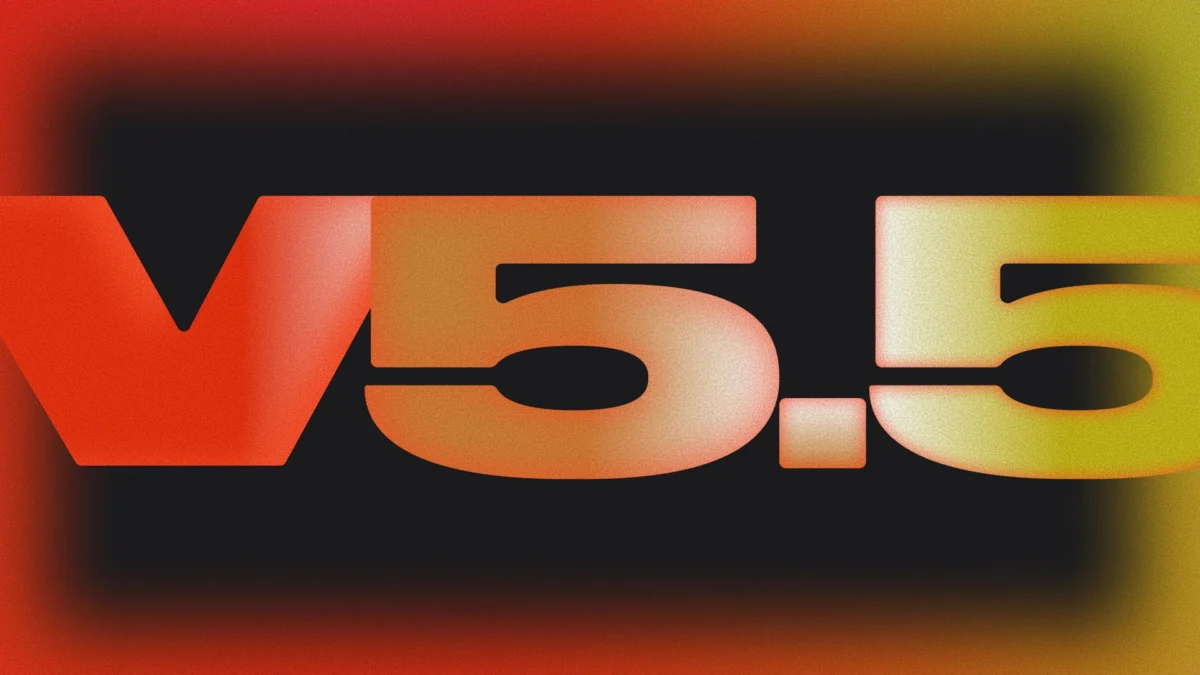
Suno, a prominent player in the burgeoning field of artificial intelligence-driven music creation, has unveiled its most significant update to date with version 5.5 of its sophisticated AI music model. This latest iteration marks a strategic pivot from its predecessors, which primarily focused on enhancing audio fidelity and achieving more human-like vocal synthesis. Version 5.5, however, deliberately shifts the paradigm towards empowering users with granular control over their creative output, introducing a trio of powerful new features: Voices, My Taste, and Custom Models.
For years, the promise of AI in music has been largely about automated generation – feeding a prompt and receiving a complete musical piece. While Suno has excelled in this area, its latest update acknowledges a growing user desire for deeper involvement and personalization. The introduction of "Voices" directly addresses one of the most frequently requested functionalities by Suno’s user base. This innovative feature allows individuals to train the AI on their own vocalizations, effectively creating a digital replica of their singing voice. The process is designed to be accessible, accommodating various input formats. Users can upload pre-recorded, clean a cappella tracks, or even integrate their voice into fully produced songs that include instrumental backing. For those without readily available recordings, the option to sing directly into a microphone—whether on a desktop or mobile device—provides an immediate avenue for vocal capture. The quality and clarity of these initial recordings are paramount, as higher fidelity inputs necessitate less data for the AI to learn and replicate the desired vocal characteristics accurately. Crucially, to mitigate concerns surrounding unauthorized voice replication and copyright infringement, Suno has implemented a robust verification mechanism. Users are required to speak a specific, unique phrase, acting as a digital signature to confirm ownership and consent for their voice to be modeled. While this measure is intended to prevent misuse, the rapid advancements in adversarial AI technologies suggest that sophisticated methods for mimicking celebrity or protected voices may continue to pose a challenge for such systems.
Once a user’s voice has been successfully trained and integrated into the Suno ecosystem, the possibilities for creative application expand dramatically. The AI-generated version of the user’s voice can then be applied to a wide array of musical contexts. This includes harmonizing with existing uploaded instrumental tracks, adding unique vocal layers to pre-existing compositions, or even delivering the lead vocals on entirely new musical creations generated by Suno’s AI based on textual prompts. This capability opens up exciting avenues for artists who wish to experiment with their vocal delivery without the need for extensive studio time or traditional vocal coaching, while also providing a novel tool for content creators seeking to imbue their projects with a distinct personal touch.
Beyond individual vocal personalization, the "Custom Models" feature represents a significant leap forward in allowing users to imprint their unique musical identity onto the AI’s output. This functionality enables users to train Suno’s v5.5 model on their own pre-existing musical catalog. The requirement is a minimum of six tracks, which serve as the foundational data for the AI to learn the user’s distinctive stylistic nuances, harmonic preferences, melodic tendencies, and overall sonic signature. Upon successful training and assignment of a custom model name, users can then leverage this personalized AI to guide and influence the generation of new music in response to their textual prompts. This effectively allows artists to create AI-generated music that is intrinsically aligned with their established sound, offering a powerful tool for expanding their discography, generating variations on their themes, or exploring new creative directions within their established artistic framework. The implications for independent artists and small music labels are profound, potentially democratizing the creation of music that closely mirrors an artist’s unique brand and sound, without the prohibitive costs and logistical complexities traditionally associated with studio production.

Complementing these advanced personalization tools is "My Taste," a feature designed to intelligently learn and adapt to individual user preferences over time. This sophisticated algorithm monitors a user’s interaction patterns within the Suno platform, specifically noting the genres, moods, and artists that are consistently referenced in their prompts and creative explorations. By analyzing this behavioral data, "My Taste" can then proactively apply these learned preferences when the user utilizes the platform’s "magic wand" feature for autogenerating musical styles. This means that the AI will have a more intuitive understanding of what the user is seeking, leading to more relevant and satisfying stylistic suggestions and a streamlined creative workflow. For users who are still discovering their AI-assisted creative voice, "My Taste" acts as an intelligent guide, helping them to refine their prompts and explore sonic territories that are more likely to align with their evolving artistic sensibilities.
The tiered access model for these new features highlights Suno’s strategic approach to monetization and feature deployment. While "My Taste" is designed to be universally accessible to all users, providing a foundational level of personalized experience, the more advanced and resource-intensive features—"Voices" and "Custom Models"—are being reserved for subscribers of Suno’s Pro and Premier tiers. This tiered structure not only incentivizes users to upgrade their subscriptions for access to premium capabilities but also reflects the significant computational resources and ongoing development required to support these sophisticated AI training and deployment functionalities. It suggests a business model that balances broad accessibility with the cultivation of a dedicated user base willing to invest in the platform’s most advanced creative tools.
The release of Suno v5.5 signifies a critical juncture in the evolution of AI music generation. By prioritizing user control and personalization, Suno is moving beyond the paradigm of AI as a purely automated content producer and positioning it as a collaborative partner in the creative process. This shift is particularly resonant in an era where the democratization of music creation is a driving force. Independent artists, aspiring musicians, and even hobbyists now have access to tools that can significantly lower the barriers to entry for producing high-quality, unique musical content. The ability to train AI on one’s own voice and musical style fundamentally alters the relationship between the creator and the technology, fostering a more intimate and bespoke creative experience.
The implications of these advancements extend beyond individual creators. For the broader music industry, the rise of highly personalized AI music generation presents both opportunities and challenges. On one hand, it could lead to an explosion of niche genres and highly tailored musical experiences for specific audiences. Artists could leverage these tools to create personalized soundtracks for their fans or to experiment with sonic palettes that were previously unfeasible. On the other hand, the ease with which AI can now mimic established styles and voices raises complex questions about originality, copyright, and the very definition of authorship in the digital age. As AI becomes increasingly adept at replicating human creativity, the industry will need to grapple with robust frameworks for intellectual property protection and ethical AI deployment.
Looking ahead, the trajectory of AI music generation, as exemplified by Suno’s v5.5, points towards an increasingly sophisticated and integrated creative ecosystem. Future iterations are likely to build upon these foundations, potentially incorporating even more nuanced control over musical arrangement, instrumentation, and emotional expression. The integration of AI with other creative technologies, such as advanced visual generation for music videos or immersive audio experiences, is also a probable avenue for development. As AI models become more sophisticated and user-friendly, the lines between human and artificial creativity will continue to blur, prompting ongoing dialogue about the future of artistic expression and the role of technology in shaping it. Suno’s latest update is not merely an incremental improvement; it is a clear indication of a strategic vision that places the user at the center of AI-powered music creation, empowering them to sculpt sound in ways that were once the exclusive domain of seasoned professionals.


 Lisa Mariana
 Safa Marwah
 Ayu Aulia