
 Safa Marwah
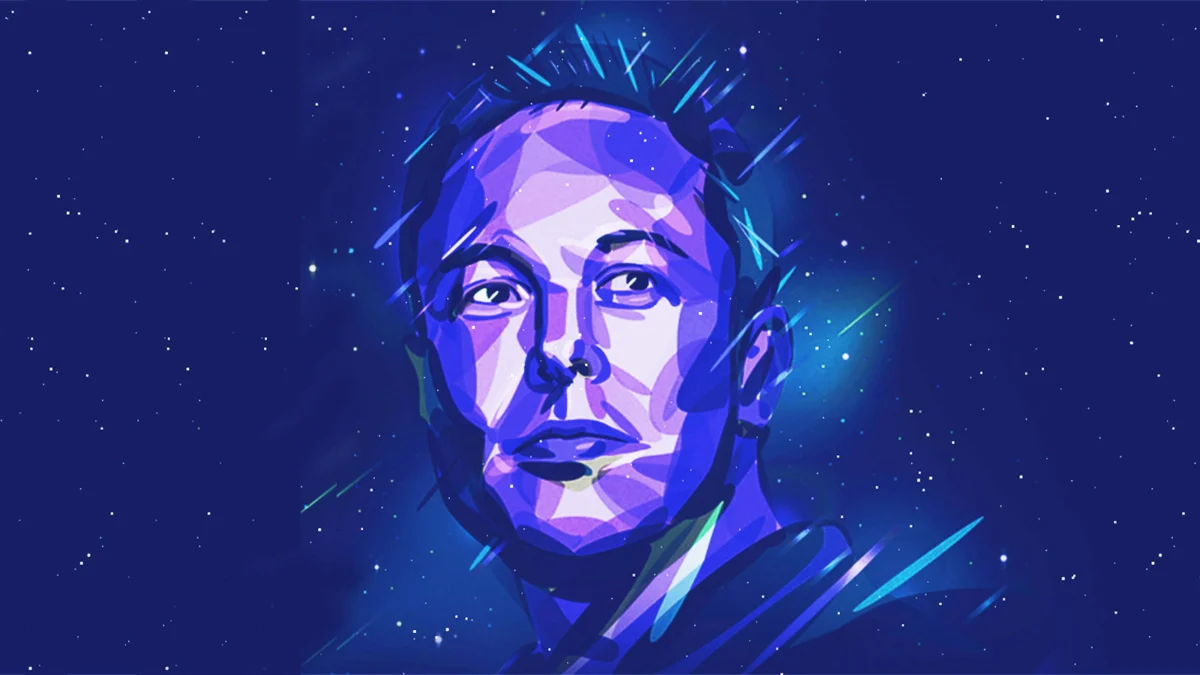
In a significant display of advanced cybersecurity capabilities, cryptocurrency exchange Coinbase successfully thwarted an elaborate deepfake scam that leveraged an artificial intelligence-generated likeness of Elon Musk to defraud users. The incident saw Coinbase’s sophisticated fraud prevention systems intercept approximately $4.7 million in attempted cryptocurrency transfers, preventing hundreds of customers from falling victim to a cunning scheme that utilized a fabricated Tesla livestream promising fraudulent giveaways. This intervention highlights the escalating sophistication of digital scams and the critical role of AI in combating evolving threats within the volatile cryptocurrency landscape.
The meticulously crafted deception unfolded during a purported "flying car" demonstration by Tesla, broadcast via a fake YouTube livestream. This fraudulent stream, which astonishingly attracted over half a million viewers, featured a highly convincing AI-generated video of Elon Musk, alongside cryptocurrency wallet addresses and a QR code. The perpetrators enticed viewers with the promise of doubling any cryptocurrency sent to these addresses, capitalizing on the public’s fascination with Musk and the allure of quick, substantial financial gains. The psychological manipulation inherent in such a scheme is profound, exploiting trust in public figures and the perceived legitimacy of live broadcasts to override critical judgment.
Coinbase’s internal investigations revealed that a substantial number of its customers, including many who were long-standing users of the platform, attempted to initiate these transfers over a period of approximately two hours. The sheer volume and speed of these attempts underscore the effectiveness of the scammers’ tactics. However, the exchange’s AI-powered fraud-prevention mechanisms proved to be remarkably effective, detecting the illicit activity in real-time and successfully blocking approximately 91% of the attempted transactions, totaling the substantial sum of $4.7 million. This intervention represents a pivotal moment in the ongoing battle against financially motivated cybercrime, demonstrating the tangible benefits of integrating advanced AI into financial security protocols.
A distinguishing characteristic of this particular scam, which rendered it exceptionally challenging to detect using conventional security measures, was the voluntary nature of the transactions. Unlike typical cryptocurrency theft, which often involves compromised accounts, stolen credentials, or unauthorized access, the victims in this instance consciously and willingly initiated the transfers. They were operating under the profound misconception that they were participating in a legitimate, once-in-a-lifetime opportunity. Coinbase elucidated this critical distinction, noting that traditional fraud detection frameworks are primarily designed to flag activities that customers did not authorize. In this scenario, account holders were fully logged in, actively approved the transfers, and genuinely believed they were engaging in a legitimate financial opportunity. This fundamental shift in modus operandi necessitates a paradigm change in how financial institutions approach fraud prevention.
Central to Coinbase’s success was its advanced scam prevention system, which harnesses the power of machine learning models. These models are engineered to scrutinize outgoing cryptocurrency transfers in real-time, meticulously analyzing a multitude of data points to identify suspicious patterns. The system is specifically trained to recognize indicators associated with common fraudulent schemes, including giveaway scams, brand impersonation tactics, and transfers directed towards newly created or known illicit wallet addresses. The sophisticated algorithms can discern subtle anomalies that might escape human detection, providing an invaluable layer of defense.
Upon detecting a potentially suspicious transfer, an AI agent within Coinbase’s system automatically engages the customer. This interaction is designed as a brief, targeted conversation, during which the AI agent articulates the characteristics of the suspected scam. It then poses a series of carefully formulated questions intended to guide the customer toward recognizing the fraudulent nature of the transaction. The system further enhances its efficacy by assigning confidence scores to the customer’s responses, allowing it to dynamically assess the situation and determine if additional safeguards or human intervention may be necessary. This adaptive approach ensures that the system can tailor its response based on the perceived risk and the customer’s understanding of the threat.
Remarkably, Coinbase noted that its AI agent had no prior exposure to this specific deepfake campaign. Despite the novelty of the deepfake element and the specific context of a "flying car" launch, the AI successfully identified the underlying scam techniques. These foundational fraudulent patterns included the promise of multiplying cryptocurrency investments, the application of time pressure tied to a live event, and the inherent irreversibility of cryptocurrency transfers. This capability underscores the power of machine learning to generalize from known patterns and identify new manifestations of old tricks, a crucial advantage in an rapidly evolving threat landscape. The entire detection and intervention process, from initial flagging to customer engagement, operated autonomously, without requiring direct human involvement, showcasing the maturity of Coinbase’s automated security infrastructure.
The proliferation of deepfake technology represents a growing challenge to digital trust and security across various sectors. With advancements in generative AI, creating highly realistic video and audio impersonations has become increasingly accessible. Scammers are leveraging these tools to produce convincing likenesses of public figures, making it exceedingly difficult for the average person to differentiate between genuine content and fabricated propaganda. This incident serves as a stark reminder of how sophisticated these tools have become and their potential for widespread financial deception, demanding equally advanced countermeasures.

Elon Musk and his various ventures, particularly Tesla and SpaceX, have long been a favored target for cryptocurrency fraudsters. His immense public profile, association with cutting-edge technology, and frequent engagement with cryptocurrency topics make him an ideal lure for scams. Past incidents have seen fraudsters hijack verified Twitter accounts to promote fake giveaways, disseminate fraudulent invitations via email, and flood platforms like TikTok with deceptive promotions. Additionally, deepfake videos of Musk have been previously utilized to promote fraudulent cryptocurrency investment platforms, while a separate campaign involving compromised verified Twitter accounts resulted in the theft of over $580,000 in cryptocurrency within a single week. These recurring patterns highlight the persistent threat posed by brand impersonation and the need for continuous vigilance.
The implications of such sophisticated scams extend beyond individual financial losses, impacting user trust in cryptocurrency platforms and the broader digital economy. For cryptocurrency exchanges, the imperative to invest in robust, AI-driven fraud detection systems is clearer than ever. Maintaining consumer confidence in the face of evolving threats requires proactive and adaptive security measures that can anticipate and neutralize new forms of deception.
To mitigate the risk of falling victim to these types of sophisticated scam campaigns, users are strongly advised to adopt a proactive and skeptical approach. Crucially, any cryptocurrency promotions, giveaways, or investment opportunities should be independently verified through official company websites and established social media channels. Relying solely on livestreams, direct messages, or QR codes displayed in videos, particularly those promising unrealistic returns, is inherently risky. A healthy dose of skepticism, combined with rigorous independent verification, remains the most potent defense against these increasingly convincing digital traps.
Looking ahead, the incident underscores the escalating technological arms race between cybercriminals and cybersecurity professionals. As scammers leverage increasingly advanced AI tools to create more believable deceptions, security providers must continue to innovate, deploying their own AI capabilities to detect and neutralize threats. This dynamic environment necessitates continuous research, development, and deployment of cutting-edge fraud prevention technologies, alongside ongoing user education, to safeguard the integrity of digital financial ecosystems. The battle against AI-powered fraud is far from over, but Coinbase’s successful intervention offers a glimpse into the potential for advanced AI to serve as a formidable guardian in the digital age.




 Ayu Aulia

 Aura Kasih

 Lisa Mariana
