 Aura Kasih
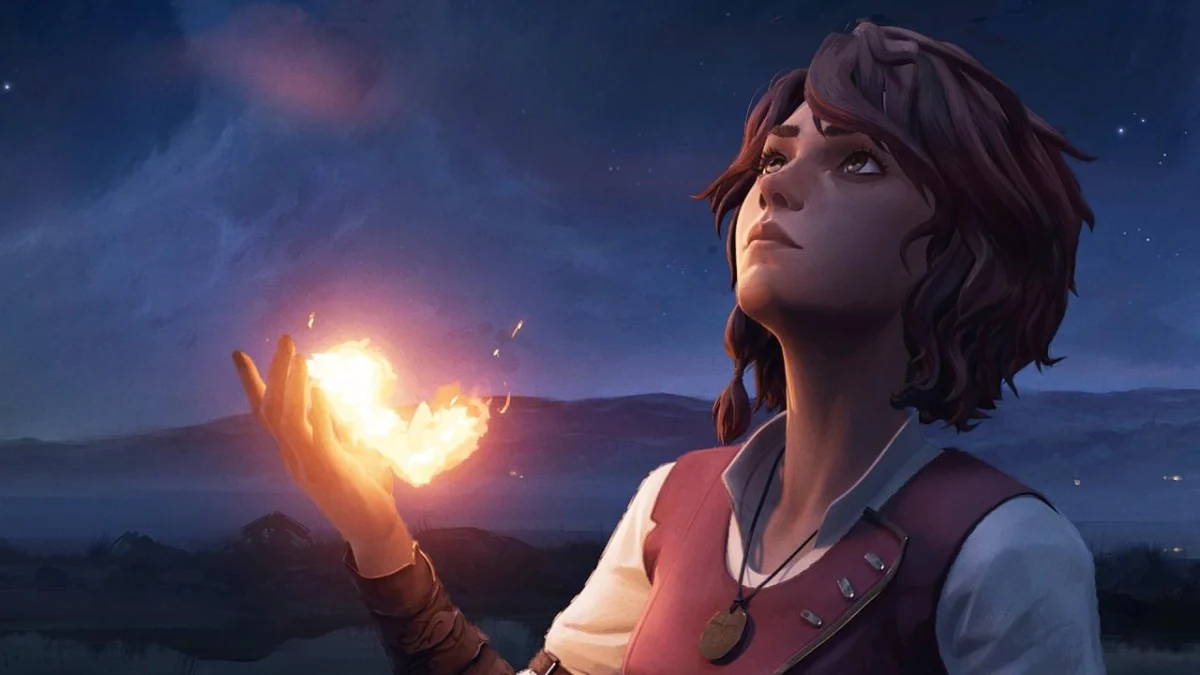
After years of anticipation and previous development setbacks, the iconic fantasy trading card game Magic: The Gathering is officially set to receive a major animated series adaptation on Netflix, slated for a 2027 premiere. Titled "Planeswalker," the project promises to bring the rich lore and diverse planes of Magic to life for a global audience, with early indications suggesting a deeply personalized and visually distinct approach to storytelling.
The journey of a Magic: The Gathering animated series to the screen has been a protracted one, marked by both excitement and eventual disappointment. The initial announcement of a collaboration with Netflix in 2019, spearheaded by the acclaimed directors Joe and Anthony Russo, generated significant buzz. However, this ambitious venture ultimately did not materialize as initially envisioned, leading to a period of uncertainty for fans eager to see their beloved game translated into a visual medium. The subsequent announcement in 2024 that Netflix remained committed to the project, albeit with a complete reimagining from the ground up, signaled a renewed dedication to bringing the Multiverse of Magic to animated form.
This latest confirmation, accompanied by a dedicated video message from Roy Graham, Head of Story at Magic: The Gathering, unequivocally states, "It’s really happening. I promise. For real." This direct address serves as a crucial reassurance to the dedicated fanbase who have followed the series’ development saga. The video unveiled the official title, "Planeswalker," and offered a crucial insight into the creative philosophy behind the show. A key takeaway from the sneak peek is the commitment to exploring the inherent diversity of the Magic universe. With each plane existing as a distinct pocket dimension, the series aims to reflect this through unique design aesthetics, animation styles, and filmmaking approaches tailored to the specific narrative and world being presented. This innovative strategy suggests an episodic or arc-based structure that can leverage the visual language of different planes to enhance immersion and storytelling.
Further details, as shared with IGN, shed light on the central narrative focus of "Planeswalker." The series will prominently feature Chandra Nalaar, a fan-favorite Planeswalker characterized by her fiery pyromancy, a power that makes her a hunted figure and a bearer of a troubled past. While specific plot intricacies remain under wraps, the synopsis hints at a formidable threat: an "insidious force" that Chandra and a coalition of other Planeswalkers will unite to combat. The stakes are astronomically high, as their collective efforts will be aimed at averting a "cataclysmic war" that imperils their very existence. This narrative arc taps into the core themes of Magic: The Gathering, which often involve disparate heroes banding together against overwhelming cosmic threats.
The inherent complexity and vastness of the Magic: The Gathering lore present both an unparalleled opportunity and a significant challenge for any adaptation. The game, which has been a cornerstone of the tabletop gaming world for over three decades, boasts an intricate cosmology populated by a multitude of distinct planes, each with its own unique civilizations, magical systems, and historical narratives. The concept of Planeswalkers, individuals capable of traversing these dimensions, provides a natural framework for episodic storytelling that can explore diverse environments and character archetypes. However, translating this expansive lore into a coherent and engaging narrative for a broad audience requires careful curation and a deep understanding of what makes the Magic universe resonate with its existing player base.

The decision to center the initial narrative arc around Chandra Nalaar is a strategic one. As a "volatile pyromancer hunted for her gifts, and haunted by her past," Chandra embodies elements of raw power, personal struggle, and a quest for redemption that are universally compelling. Her journey offers a potent entry point into the Magic Multiverse, allowing audiences to connect with a character grappling with her identity and her place in a dangerous cosmos. The "insidious force" that she and other Planeswalkers will confront serves as the narrative engine, driving the plot and necessitating the convergence of heroes from across different planes. This approach mirrors many of the major story arcs within the Magic: The Gathering lore, which often culminate in large-scale conflicts that shape the fate of the Multiverse.
The reported commitment to distinct visual styles for each plane is particularly noteworthy. This approach moves beyond a monolithic aesthetic, acknowledging the inherent diversity of the Magic setting. Imagine a plane rendered with the stark, geometric beauty of a clockwork world, juxtaposed with another depicted in the lush, organic, and perhaps more painterly style of an ancient forest plane. This visual dynamism can not only serve to differentiate the worlds but also to underscore the thematic differences and the unique challenges faced by the characters within them. Such a creative decision could elevate the series beyond a standard fantasy animation, offering a truly groundbreaking visual experience that reflects the imaginative scope of the source material.
The implications of a successful Magic: The Gathering animated series on Netflix are far-reaching. For Wizards of the Coast, it represents a significant expansion of their multimedia strategy, aiming to capture a wider audience beyond the existing tabletop and digital gaming communities. A critically acclaimed and popular animated series could drive renewed interest in the trading card game itself, as well as its digital counterparts like Magic: The Gathering Arena. Furthermore, it opens doors for potential spin-off content, merchandise, and even live-action adaptations in the future, solidifying Magic as a multifaceted entertainment franchise.
From a broader entertainment industry perspective, the success of "Planeswalker" could signal a growing trend of major intellectual properties from the tabletop gaming space finding mainstream success in animated formats. With the increasing demand for sophisticated, character-driven narratives and visually rich worlds, animated series are becoming a preferred medium for exploring complex fantasy and science fiction universes. The unique challenges and opportunities presented by adapting Magic: The Gathering could serve as a blueprint for future endeavors, demonstrating how to effectively translate intricate lore and diverse storytelling into compelling animated content.
The 2027 release date, while still a few years away, allows ample time for the creative team to refine their vision and execute it to the highest standard. The production of a high-quality animated series is a complex undertaking, involving extensive pre-production, animation, voice acting, and post-production. The commitment to a distinct visual style for each plane suggests a significant investment in talent and resources. The anticipation for "Planeswalker" is palpable, and the industry will be watching closely to see if this latest iteration can finally bring the magic of Magic: The Gathering to animated life in a way that satisfies long-time fans and captivates new audiences alike. The promise of a visually innovative, story-rich adaptation centered on compelling characters like Chandra Nalaar suggests that this time, the magic might truly be for real.


 Lisa Mariana