 Lisa Mariana
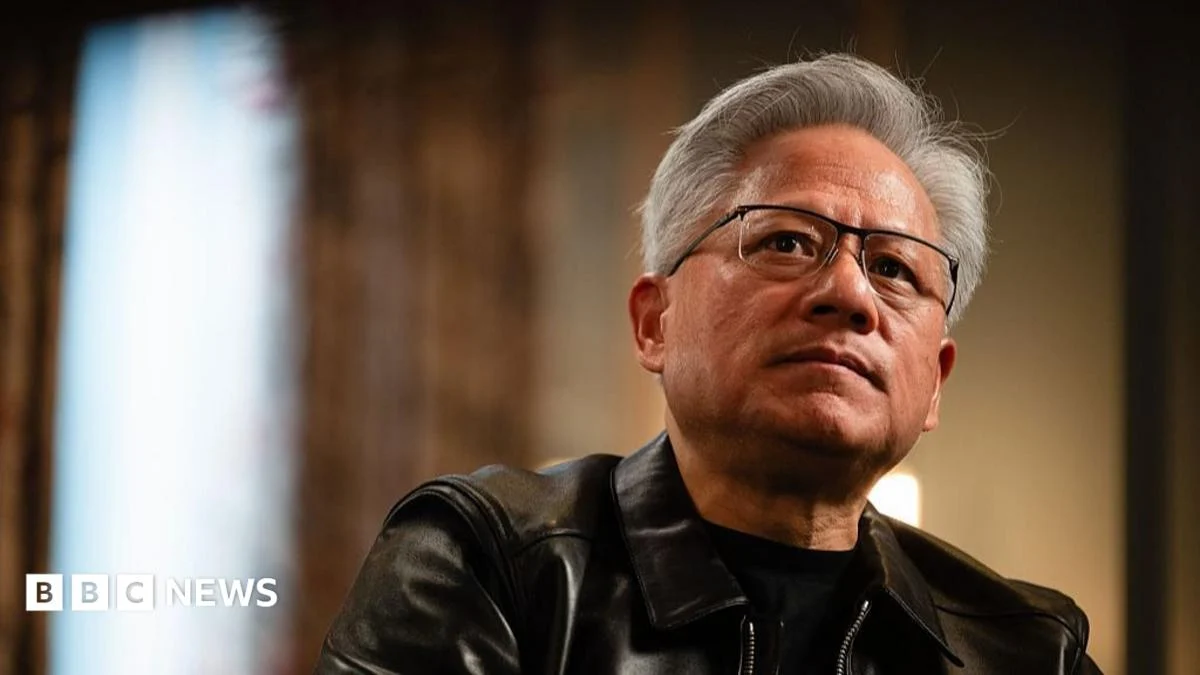
Nvidia, the undisputed titan of artificial intelligence hardware, finds itself at the epicenter of a high-stakes geopolitical and corporate crisis, following revelations concerning its chief executive’s personal relationship with an individual alleged to be an operative of a foreign intelligence service. The unprecedented entanglement has triggered multi-layered investigations, from a prominent U.S. law firm’s internal inquiry to a federal counterintelligence probe, sending shockwaves through global financial markets and casting a stark light on the vulnerabilities inherent in the intense technological rivalry between global powers.
The controversy centers on Jensen Huang, the visionary co-founder and chief executive officer of Nvidia, who has acknowledged engaging in a romantic relationship outside of his marriage. The individual in question, identified as Alice Huang (also known as Huang Le), has been formally accused of operating as an intelligence agent for Beijing. This development has thrust Nvidia, a company whose technological prowess is deemed vital to national security interests, into an unwelcome spotlight, prompting profound scrutiny from government agencies, investors, and the international community.
In response to the escalating concerns, Nvidia’s leadership has moved decisively to initiate a comprehensive internal investigation. The company announced its retention of Wachtell, Lipton, Rosen & Katz, one of the United States’ most prestigious and formidable legal practices, to spearhead this crucial inquiry. Joon Kim, a former U.S. Attorney for the Southern District of New York with an extensive background in prosecuting fraud and various criminal offenses, has been appointed to lead this "thorough and independent investigation." This move underscores the gravity with which Nvidia is treating the allegations, aiming to ensure transparency and accountability amidst a rapidly unfolding scandal. Simultaneously, the Federal Bureau of Investigation (FBI) has launched its own parallel probe, signifying the serious national security implications perceived by U.S. authorities.
The market’s reaction to these revelations has been swift and severe. Nvidia’s stock valuation experienced a precipitous decline, plummeting close to a yearly nadir. The company witnessed an staggering half-trillion dollars ($500 billion) erased from its market capitalization in the days following the initial disclosures, a testament to the acute investor anxiety regarding potential geopolitical repercussions, regulatory sanctions, and the perceived integrity risks associated with its leadership. Such a dramatic market correction highlights Nvidia’s outsized influence on the global technology sector and the sensitive nature of its operations.
Nvidia’s preeminence in the artificial intelligence landscape cannot be overstated. The company stands as the sole, indispensable manufacturer of the advanced Graphics Processing Units (GPUs) that form the foundational backbone for nearly all sophisticated AI applications and large language models. These specialized chips are not merely components; they are the accelerators driving the current AI revolution, enabling capabilities ranging from complex data analysis to autonomous systems and groundbreaking scientific research. Consequently, Nvidia has ascended to become the world’s second most valuable corporation, trailing only Apple, with its technological output now intrinsically linked to the strategic objectives and national security imperatives of the United States in the fiercely contested global AI race. The ability to control the supply and deployment of these critical chips is viewed as a definitive advantage in shaping future geopolitical power dynamics.
Further deepening the controversy are the connections between Alice Huang and a Singaporean entity named Megaspeed, an erstwhile customer of Nvidia, where she served as an executive. Megaspeed had previously attracted suspicion regarding its potential involvement in the unauthorized diversion of Nvidia’s high-performance chips to entities in China, a nation subject to stringent U.S. export controls aimed at curbing its technological advancement in sensitive areas. While Nvidia asserts that it had previously investigated and subsequently "debunked" these allegations, the renewed focus on Megaspeed, coupled with the alleged espionage link, casts a fresh pall over these prior findings. Nvidia has also maintained that, prior to the current crisis, the U.S. government had not formally communicated any intelligence concerns regarding Megaspeed’s activities or its potential role in illicit transfers. This claim potentially creates a disconnect between the company’s awareness and broader intelligence assessments.
However, conflicting information has emerged, suggesting a higher level of awareness within U.S. governmental circles regarding potential compromises. According to reports from the New York Times, Senator Marco Rubio dispatched a confidential memorandum to senior officials in Washington earlier this year. This memo reportedly issued a stark warning regarding Jensen Huang’s close personal association with an individual explicitly identified as a Chinese intelligence operative. Such a warning, if accurate, raises critical questions about inter-agency communication, intelligence dissemination, and the protocols for safeguarding national security interests within the private sector.
Beijing, for its part, has vehemently repudiated the accusations that Jensen Huang has been specifically targeted or compromised. The Chinese foreign ministry issued a statement dismissing the allegations as "intended to smear and malign China," characterizing them as baseless attempts to undermine China’s international standing and technological progress. This official denial underscores the geopolitical sensitivities surrounding the case, framing it within the broader narrative of escalating U.S.-China tensions over technology and influence.
The political dimension of the affair intensified with comments from former U.S. President Donald Trump, who stated on Monday that he had engaged in a conversation with Jensen Huang. Trump relayed that the Nvidia chief executive expressed unawareness of any alleged espionage activities by Alice Huang, purportedly stating, "I had no idea she was a spy." Trump added that he found Huang’s explanation credible. This public endorsement from a former president, known for his direct engagement with corporate leaders, injects a notable political layer into an already complex narrative, though it does not diminish the investigative impetus from federal agencies.
The unfolding situation has also drawn significant attention from Capitol Hill. Leaders of the House Committee on Foreign Affairs have formally requested Jensen Huang’s presence for a closed-door briefing scheduled for the upcoming week. This invitation signifies Congress’s deep concern over the potential national security implications of the alleged affair and its direct relevance to U.S. technological leadership and supply chain integrity. A source familiar with the committee’s demand indicated to media outlets that the Nvidia boss has yet to confirm his attendance. The committee wields the considerable authority to issue a subpoena, thereby compelling Huang to appear before the legislative body if his voluntary cooperation is not secured, underscoring the serious nature of congressional oversight in matters of national security.
In its initial public statement announcing the internal investigation, Nvidia’s board of directors conveyed that it currently possessed "no reason to believe the company’s secrets or national security were compromised." The board further emphasized that a dedicated committee composed entirely of independent directors would oversee the entirety of the probe, aiming to ensure objectivity and prevent any perceived conflicts of interest. This carefully worded assurance seeks to assuage immediate fears while simultaneously acknowledging the necessity for a thorough examination.
The selection of Wachtell, Lipton, Rosen & Katz for the internal investigation is highly strategic. The firm is widely recognized for its expertise in navigating complex, high-stakes corporate crises, particularly those involving intricate legal, financial, and reputational challenges. Its clientele includes other prominent technology giants such as OpenAI and Salesforce, indicating its deep understanding of the unique pressures and sensitivities within the tech industry. Joon Kim, leading the charge, brings not only his prosecutorial acumen but also an intimate understanding of governmental investigative processes, which will be invaluable in coordinating with federal authorities while maintaining the independence of Nvidia’s internal review.
Sources familiar with the matter suggest that the investigation will be conducted with a pronounced sense of urgency. This imperative stems from Jensen Huang’s unique position as not merely a corporate executive but a globally recognized public figure whose personal image is intricately intertwined with Nvidia’s brand identity and strategic vision. Huang has consistently articulated a bold vision for AI, proclaiming it a "new industrial revolution" on par with the advent of electricity, positioning himself as a leading evangelist for technological transformation. Any shadow cast upon his integrity or judgment could have profound and lasting repercussions for the company’s market perception and its ability to attract talent and foster partnerships.
A significant challenge for Wachtell’s investigative team will be their ability to interview Alice Huang, also known as Huang Le. Her cooperation, or lack thereof, could profoundly impact the scope and conclusiveness of the internal probe. Given the international nature of the allegations and her purported links to a foreign intelligence service, securing her testimony is likely to be fraught with legal and diplomatic complexities. Furthermore, Nvidia has remained tight-lipped regarding Jensen Huang’s personal legal representation. A company spokesperson declined to comment when asked whether Huang had retained his own legal counsel to navigate the simultaneous company investigation and the separate FBI probe, highlighting the sensitive and multifaceted legal challenges he now faces personally.
The broader implications of this scandal extend beyond Nvidia. It serves as a stark reminder of the escalating geopolitical risks embedded within the global technology supply chain and the critical importance of robust counterintelligence measures in an era of intense state-sponsored economic and technological espionage. For U.S. corporations operating at the cutting edge of innovation, particularly those whose products are deemed dual-use or strategically vital, executive vetting, employee training, and internal security protocols will likely face unprecedented scrutiny. The incident underscores how personal relationships, when intersecting with high-value intellectual property and national security interests, can rapidly evolve into crises with far-reaching consequences.
As the various investigations unfold, the global technology sector and geopolitical observers will be keenly watching the outcomes. The findings could potentially reshape corporate governance practices, influence future U.S. export control policies, and set new precedents for how companies navigate the intricate web of international relations, espionage threats, and the safeguarding of national assets in the race for technological supremacy. The crisis at Nvidia is not merely a corporate challenge; it is a vivid illustration of the complex and dangerous new frontier in global power competition.



 Aura Kasih