
 Ayu Aulia
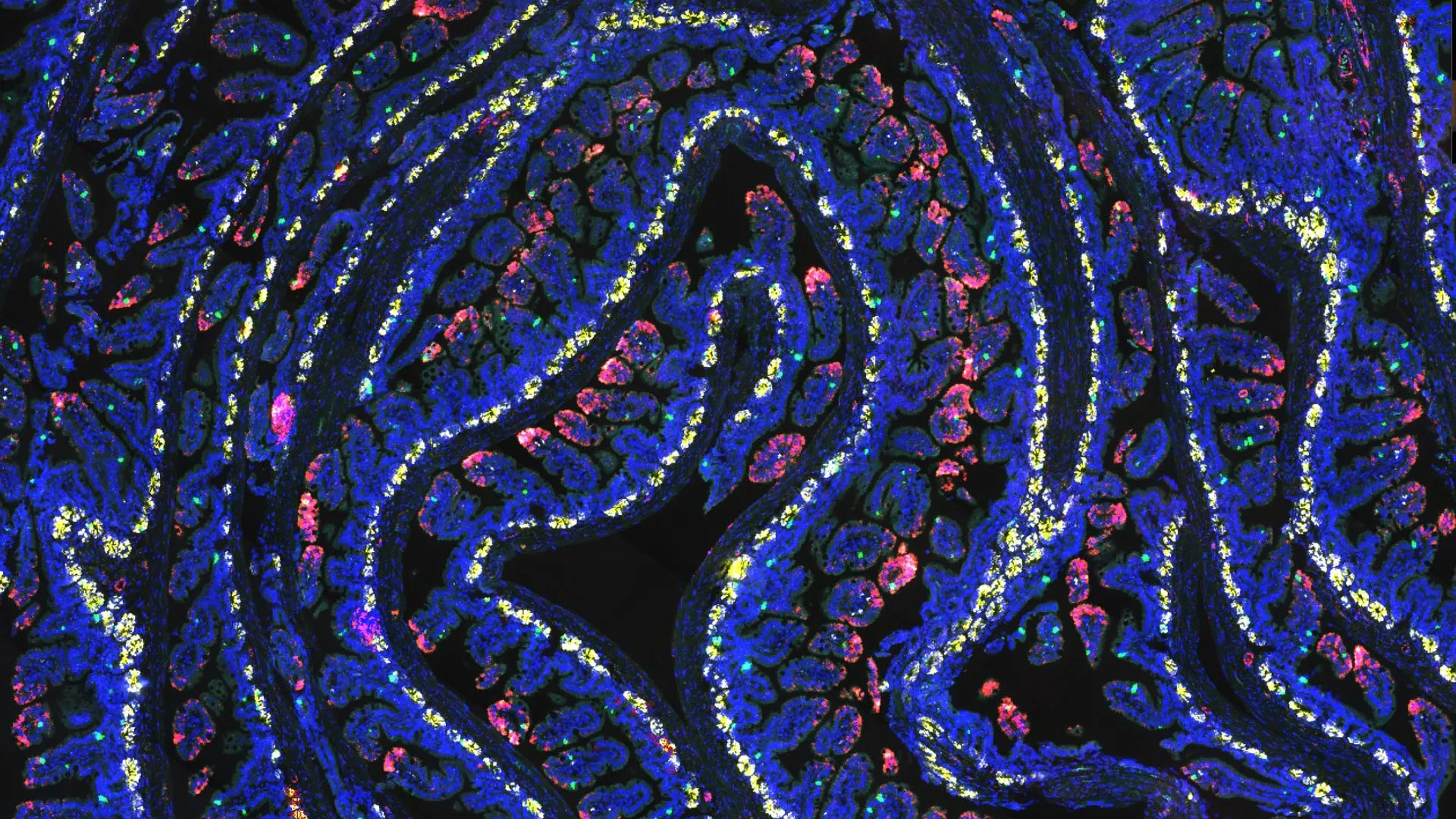
Groundbreaking preclinical investigations reveal that a precisely timed period of caloric restriction significantly primes the intestinal lining to recuperate from radiation-induced injury, a protective effect critically mediated by a specific symbiotic gut microorganism, thereby unveiling novel pathways for endogenous tissue regeneration. This remarkable discovery, stemming from advanced research, illuminates how the intricate interplay between dietary patterns and the microbiota can activate the body’s innate cellular repair mechanisms, offering a new paradigm for enhancing resilience against therapeutic damage.
Radiation therapy stands as a cornerstone in the treatment of numerous cancers, particularly those located in the abdominal and pelvic regions, such as pancreatic, colorectal, and gynecological malignancies. Its efficacy lies in its ability to inflict lethal damage upon rapidly dividing cancer cells. However, this potent therapeutic modality is not without its collateral consequences. A persistent challenge in oncology is the protection of adjacent healthy tissues, which are also susceptible to radiation-induced harm. Among the most vulnerable is the delicate epithelial lining of the small intestine, a rapidly proliferating tissue essential for nutrient absorption and barrier function.
Damage to this vital intestinal barrier can precipitate a cascade of severe adverse effects for patients, including debilitating nausea, chronic diarrhea, and heightened susceptibility to infections. In extreme cases, severe enteritis or mucosal breakdown can lead to life-threatening complications, necessitating treatment interruptions or dose reductions. Such limitations not only compromise patient quality of life but can also restrict the optimal dosage of radiation, potentially diminishing therapeutic effectiveness and impacting long-term oncological outcomes. Historically, strategies to mitigate these side effects have been largely supportive, focusing on symptom management rather than proactive cellular protection.
Previous investigations had hinted at the potential of fasting, or caloric restriction, as a beneficial intervention in preparing the gastrointestinal tract for the rigors of radiation exposure. Earlier preclinical work had demonstrated that a period of nutrient deprivation preceding irradiation could improve post-injury recovery of the intestinal epithelium. However, the precise molecular and cellular mechanisms underpinning this observed protective effect remained largely enigmatic. The current study represents a significant leap forward, providing a detailed mechanistic explanation and identifying a critical biological actor in this intricate process.
The pivotal revelation from the latest research centers on the role of a specific gut bacterium in mediating the protective effects of fasting. Researchers observed that a 24-hour period of caloric restriction led to a notable increase in the prevalence of Akkermansia muciniphila, often referred to as AKK, within the small intestine. This particular commensal microbe is recognized for its beneficial contributions to gut health and metabolic regulation. Crucially, the study elucidated that AKK produces a short-chain fatty acid called propionate, which emerges as a key molecular messenger in this repair pathway.
Propionate, in conjunction with other metabolic shifts induced by fasting, initiates a series of profound epigenetic modifications within intestinal cells. Epigenetics refers to heritable changes in gene expression that occur without alterations to the underlying DNA sequence. In this context, propionate acts as a signal to modify proteins known as histones. Histones serve as spool-like structures around which DNA is tightly wound within the cell nucleus. Small chemical markers, such as acetyl groups, when added to these histones, can alter the accessibility of specific DNA segments. This "unpackaging" of DNA makes certain genes more available for transcription, effectively activating or enhancing their expression.
During fasting, these histone modifications specifically promote the activation of genes instrumental in tissue regeneration and repair. Concurrently, a distinct population of intestinal cells, already pre-programmed with these regenerative capabilities, experiences an increase in abundance. In essence, the combination of fasting and AKK-derived propionate acts as a cellular "emergency preparedness drill," priming these specific cells with the necessary biological instructions and machinery to respond swiftly and effectively to injury. When the intestines are subsequently exposed to radiation, these pre-conditioned cells are uniquely poised to expand rapidly and contribute to the meticulous rebuilding of the damaged intestinal lining, thereby accelerating recovery and restoring mucosal integrity.
To unequivocally establish the indispensable role of Akkermansia muciniphila in this protective mechanism, the researchers conducted a series of elegant experiments involving selective depletion of the bacterium. When AKK was absent from the gut microbiome, the fasting-induced regenerative benefits were abrogated. The intestine lost its enhanced capacity for recovery following radiation exposure, demonstrating that fasting alone, without the microbial mediator, was insufficient to elicit the full protective response. Further reinforcing this symbiotic relationship, the researchers observed that the protective effect was fully restored only when AKK was reintroduced in conjunction with the fasting regimen. This critical finding underscores that neither component—fasting nor AKK—is singularly capable of reproducing the robust regenerative outcome observed; rather, their concerted action is essential.
This synergistic interaction suggests that caloric restriction does more than merely induce transient metabolic alterations within the gut. In collaboration with specific beneficial microbes like AKK, it fundamentally alters the epigenetic landscape and functional state of intestinal cells prior to radiation exposure, establishing a "primed" condition that significantly supports more efficient and robust recovery after cellular damage. The elucidation of this intricate connection between nutritional states, specific gut bacteria, and fundamental cellular regeneration mechanisms represents a significant advancement in our understanding of host-microbe interactions and their potential for therapeutic manipulation.
The implications of this discovery for oncological supportive care are profound. By uncovering this natural pathway to bolster tissue resilience, researchers have identified a potential avenue for mitigating the severe gastrointestinal toxicities associated with abdominal radiation therapy. Reducing these side effects could not only improve the quality of life for cancer patients but also potentially allow for the safe administration of higher, more effective radiation doses, thereby enhancing treatment efficacy and improving patient outcomes.
While the results are compelling and offer immense promise, it is crucial to emphasize that the current findings are derived from preclinical research. The next critical step involves rigorous investigation to ascertain whether this protective mechanism is conserved and operative in human physiology. If subsequent studies corroborate these findings in human models, clinical trials could be initiated to explore the safety and efficacy of activating this repair pathway in patients undergoing abdominal radiation therapy.
Beyond the direct application to gastrointestinal protection, the broader implications of this research extend to other healthy tissues frequently damaged during cancer treatment. Researchers are particularly keen on exploring the potential for protecting other rapidly dividing cellular populations, such as bone marrow, which is highly susceptible to damage from radiation and chemotherapy, leading to myelosuppression and associated complications. A similar microbial-epigenetic priming strategy could potentially be developed to enhance bone marrow recovery, thereby reducing treatment-related morbidity and mortality.
Furthermore, the discovery presents avenues for developing innovative therapeutic strategies that might circumvent the practical challenges and potential contraindications of fasting in a clinical oncology setting. While intermittent fasting holds promise, it may not be feasible or advisable for all cancer patients, especially those with pre-existing nutritional deficits or significant disease burden. The identification of AKK and its metabolite, propionate, as key mediators opens the door to alternative interventions. Future treatments could involve targeted probiotic formulations containing AKK, prebiotics designed to selectively foster its growth, or even direct administration of propionate or its derivatives. Such approaches could potentially stimulate similar protective and regenerative processes without necessitating dietary restriction, offering a more accessible and patient-friendly strategy for enhancing recovery.
Ultimately, this research heralds a new paradigm in supportive oncology, moving beyond mere symptom management to proactive cellular conditioning. By leveraging the body’s innate repair mechanisms, orchestrated through the symbiotic relationship between diet and the gut microbiome, clinicians may one day possess powerful tools to safeguard healthy tissues during aggressive cancer treatments. This not only promises to improve the safety profile of existing therapies but also potentially expands the therapeutic window for future innovations, ultimately contributing to more effective and tolerable cancer care. The ongoing work, supported by significant research funding, continues to illuminate the complex interplay at the intersection of nutrition, microbiology, and cellular resilience, paving the way for transformative advancements in patient protection.



 Lisa Mariana

 Aura Kasih

 Safa Marwah