Ayu Aulia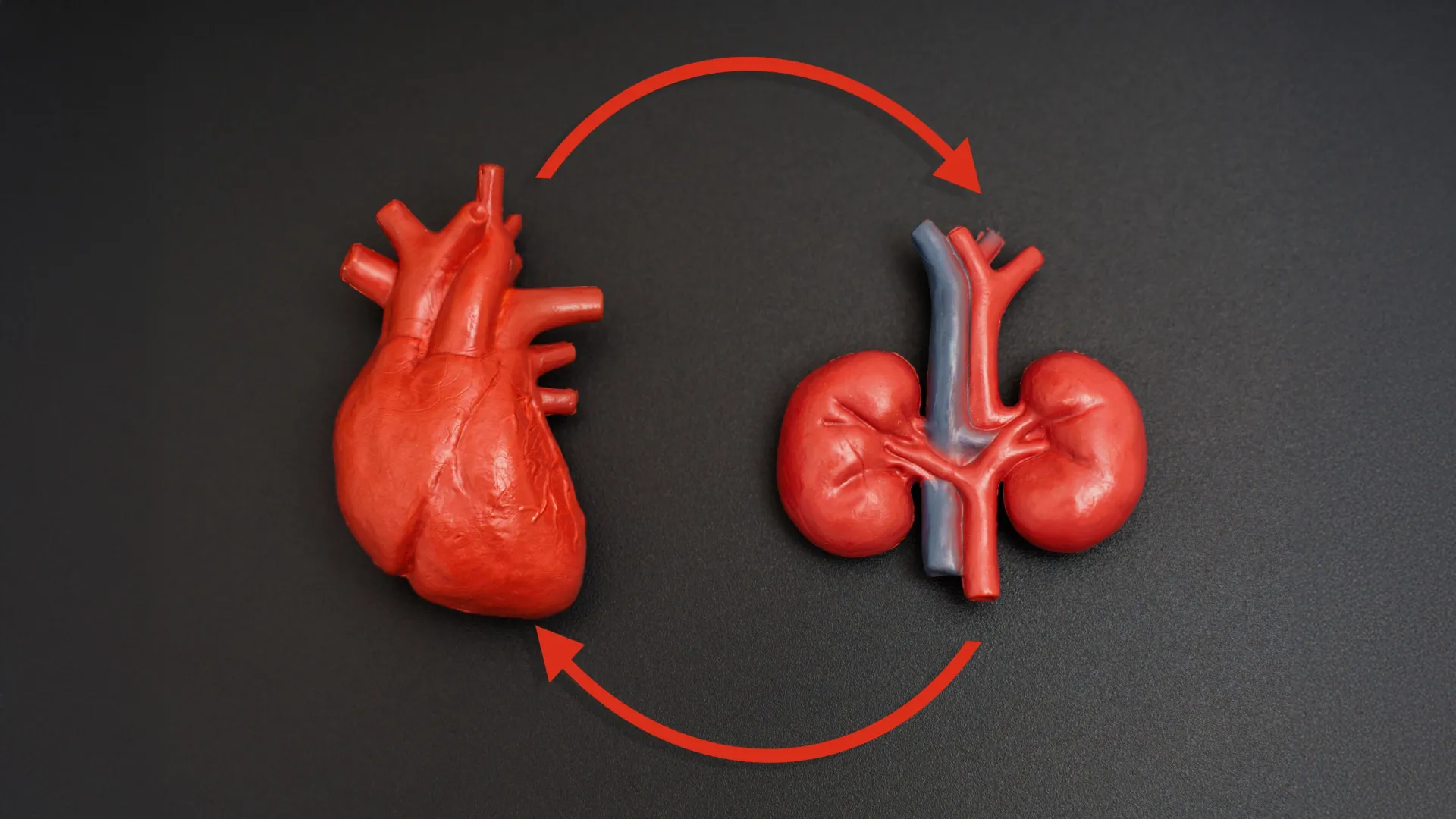
A groundbreaking collaborative effort by prominent European medical bodies has culminated in the issuance of comprehensive clinical recommendations designed to address the profound and bidirectional progression of chronic kidney disease (CKD) and a spectrum of cardiovascular ailments, marking a pivotal advancement in integrated patient management strategies. These pioneering guidelines, developed jointly by the European Society of Cardiology (ESC) and the European Renal Association (ERA), represent the first dedicated framework for concurrently navigating cardiovascular disease (CVD) in the presence of CKD. Formally presented at the ESC Congress 2026 and concurrently published in the esteemed European Heart Journal, these directives aim to recalibrate clinical practice and improve outcomes for millions worldwide.
Chronic kidney disease, defined by persistent abnormalities in kidney structure or function for a minimum of three months, carries a substantial global health burden. Estimates suggest that approximately 100 million individuals across Europe alone are afflicted by CKD, a condition that significantly elevates their susceptibility to developing a diverse range of cardiovascular complications. The intricate relationship between the heart and kidneys is increasingly recognized as a critical determinant of patient morbidity and mortality, necessitating a unified approach to diagnosis, prevention, and treatment.
The Perilous Symbiosis: Understanding the Bidirectional Pathophysiology
The deleterious interplay between the heart and kidneys constitutes a major public health challenge. Associate Professor Kevin Damman from the University Medical Centre Groningen, Netherlands, a co-chair of the Task Force responsible for these guidelines, underscored the profound impact: "The morbidity and premature mortality attributable to each condition are substantial, yet CKD can critically accelerate the progression of CVD, and vice versa. This dangerous feedback loop often precipitates cardiovascular events and necessitates renal replacement therapies, such as dialysis, much earlier in a patient’s life trajectory." This synergistic deterioration underscores the urgency of proactive and integrated interventions. The shared risk factors, including hypertension, diabetes mellitus, dyslipidemia, and systemic inflammation, create a fertile ground for the co-development and mutual exacerbation of both conditions. Kidney dysfunction can lead to fluid overload, anemia, mineral bone disorder, and increased oxidative stress, all of which impose significant strain on the cardiovascular system. Conversely, cardiovascular pathologies, such as heart failure or atherosclerotic disease, can impair renal perfusion and function, creating a vicious cycle of organ damage.
Professor William Herrington from the University of Oxford, UK, also a Task Force Chair, highlighted the historical fragmentation of care: "Many patients presenting with CKD are primarily managed within the cardiology community, often without adequate recognition or tailored management of their renal impairment. These new ESC Guidelines are specifically designed to bridge this gap, advocating for a significant increase in the routine assessment of kidney function and urine albumin levels in all patients diagnosed with CVD. Enhanced screening protocols will enable clinicians to identify a greater proportion of at-risk individuals, thereby facilitating the timely prescription of the most appropriate and synergistic therapies for both CKD and CVD." This integrated perspective signifies a paradigm shift from siloed specialty care to a more holistic, patient-centric model.
The encouraging news accompanying this comprehensive framework is the emergence of significant therapeutic advancements in recent years. "Remarkable progress has been made, furnishing us with several straightforward yet highly effective treatments capable of substantially mitigating the risks associated with both cardiovascular and kidney complications," Professor Damman further elaborated. These breakthroughs form the bedrock of the new recommendations, empowering clinicians with tools to disrupt the conventional trajectory of these interconnected diseases.
A Structured Approach: The ‘STAMP on CKD’ Strategy
To provide a clear, actionable framework for clinicians, the Task Force meticulously crafted the ‘STAMP on CKD’ acronym, an mnemonic guiding a strategic pathway: Screen, Triage, Address CKD Risk, Modify CVD management, and Plan health services. This structured approach aims to standardize care and ensure that no critical step is overlooked in the comprehensive management of these complex patients.
S – Screen: The initial imperative outlined in the guidelines is universal screening. It is now recommended that every patient diagnosed with cardiovascular disease undergo comprehensive screening for CKD at the point of CVD diagnosis. This involves two critical, yet readily accessible, diagnostic tests: a blood test to estimate glomerular filtration rate (eGFR) derived from serum creatinine levels, and a urine test to determine the albumin-to-creatinine ratio (uACR). The eGFR provides an estimate of the kidneys’ filtering capacity, while the uACR serves as a sensitive marker for kidney damage, specifically the presence of albuminuria (protein in the urine), which often precedes a significant decline in eGFR and is a powerful predictor of both kidney and cardiovascular outcomes. Early detection through these simple tests is paramount, as CKD often progresses asymptomatically in its early stages, delaying diagnosis and intervention until significant, irreversible damage has occurred.
T – Triage: Following initial screening, the triage phase focuses on a sophisticated assessment of a patient’s risk profile. This involves determining the likelihood of both progression to end-stage kidney disease (ESKD) and the probability of future cardiovascular events. The guidelines advocate for the utilization of validated risk scoring tools that explicitly incorporate kidney function parameters. These tools integrate various clinical factors, including age, comorbidities (e.g., diabetes, hypertension), the degree of proteinuria, and the rate of eGFR decline, to provide a nuanced understanding of a patient’s overall prognosis. Such stratification allows clinicians to tailor the intensity of surveillance and therapeutic interventions, ensuring that high-risk individuals receive more aggressive management and closer monitoring.
A – Address CKD Risk: The subsequent priority centers on proactively addressing identified risks by introducing proven, cost-effective therapies sufficiently early to retard the progression of CKD and concurrently diminish the incidence of cardiovascular events. This represents a critical juncture where pharmacotherapeutic interventions can significantly alter disease trajectories.
"The early and consistent use of pharmacological agents, notably renin-angiotensin system (RAS) inhibitors and sodium-glucose co-transporter 2 (SGLT2) inhibitors, in conjunction with statin-based lipid-lowering therapy, has emerged as particularly vital and efficacious," emphasized Associate Professor Damman. RAS inhibitors, including ACE inhibitors and angiotensin receptor blockers (ARBs), are cornerstones in managing hypertension, reducing proteinuria, and providing renoprotection, thereby conferring both cardiovascular and kidney benefits.
The inclusion of SGLT2 inhibitors represents one of the most transformative advancements in recent cardiometabolic and renal medicine. Initially developed for type 2 diabetes, their profound cardiorenal protective effects, independent of their glucose-lowering actions, have revolutionized treatment paradigms. SGLT2 inhibitors exert their benefits through multiple mechanisms, including promoting natriuresis and diuresis, reducing intraglomerular pressure, mitigating inflammation and oxidative stress, and directly improving cardiac function. Landmark trials have unequivocally demonstrated their efficacy in reducing heart failure hospitalizations, major adverse cardiovascular events (MACE), and the progression of CKD, even in patients without diabetes. Their early integration into treatment algorithms is therefore a powerful strategy to disrupt the vicious cycle of cardiorenal decline. Statins, while primarily targeting dyslipidemia, also play a crucial role in reducing cardiovascular risk across various patient populations, including those with CKD.
M – Modify CVD Management: The guidelines also provide explicit recommendations for adjusting cardiovascular treatment strategies in individuals with CKD. Impaired kidney function can significantly alter the pharmacokinetics and pharmacodynamics of numerous medications, affecting their clearance, distribution, and potential for toxicity. Consequently, standard dosages or certain therapeutic agents may not be appropriate or safe in patients with reduced renal function. The guidelines offer practical advice on dose modifications, alternative drug selections, and careful monitoring parameters to ensure both efficacy and patient safety. This personalized approach is crucial to optimize cardiovascular outcomes while simultaneously protecting residual kidney function. For instance, specific anticoagulants or antiarrhythmics may require dose adjustments or alternative choices based on eGFR, and the judicious use of diuretics may be necessary to manage fluid overload without precipitating acute kidney injury.
P – Plan Health Services: The final, yet equally critical, component of the STAMP strategy focuses on optimizing the organization and delivery of healthcare services. The aim is to establish robust pathways that facilitate the prompt recognition of high-risk patients and ensure their timely access to integrated care from both cardiologists and nephrologists.
"Due to the inherent complexities associated with chronic kidney disease, active and efficient communication and collaboration between diverse medical specialties are frequently indispensable," noted Professor Herrington. This necessitates the dismantling of traditional departmental silos and the fostering of genuinely multidisciplinary teams comprising not only cardiologists and nephrologists, but also primary care physicians, specialist nurses, dietitians, pharmacists, and other allied health professionals. Such integrated care models can streamline referrals, optimize medication management, and provide holistic support.
Furthermore, the guidelines underscore the pivotal role of patient engagement and the involvement of family members or caregivers in the multidisciplinary care process. Empowering patients with a deeper understanding of their condition, fostering shared decision-making, and respecting their individual priorities are crucial elements in improving adherence to treatment, enhancing their overall experience, and promoting truly patient-centered care. To this end, a patient-friendly version of the guidelines has also been developed, serving as an invaluable resource to help individuals comprehend their diagnosis and actively participate in collaborative treatment planning with their healthcare providers.
Implications and Future Directions
The issuance of these comprehensive guidelines marks a seminal moment in the management of cardiorenal disease. Their widespread adoption promises to significantly reduce the burden of morbidity, mortality, and healthcare expenditures associated with these interconnected conditions. By fostering earlier diagnosis, risk stratification, and the judicious application of highly effective therapies, clinicians are now better equipped to intervene proactively and alter the natural history of these progressive diseases.
From a public health perspective, the guidelines advocate for a more proactive screening paradigm, which could lead to a substantial increase in early CKD detection, allowing for interventions before irreversible damage occurs. Economically, the prevention of cardiovascular events and the delay of progression to end-stage kidney disease requiring costly renal replacement therapies (dialysis, transplantation) hold immense potential for reducing long-term healthcare costs.
Despite these significant strides, the Task Force Chairs acknowledge that several gaps in the existing evidence base remain, necessitating continued research. Future investigations may focus on novel biomarkers for earlier detection, more precise risk stratification tools, the development of new therapeutic agents, and optimal management strategies for patients with advanced CKD. The implementation of these guidelines will also require robust health policy support, including resource allocation for enhanced screening programs and the development of integrated care pathways.
In their concluding remarks, the Task Force Chairs emphasized the profound societal implications: "Cardiovascular disease and chronic kidney disease impose immense burdens on patients, their families, healthcare systems, and society at large. The core messages embedded within these guidelines demand the attention of all relevant healthcare stakeholders and policymakers. Furthermore, a concerted effort in research planning is essential to address the identified lacunae in current evidence. By elevating awareness and promoting adherence to these directives, we hold a profound hope that these guidelines will catalyze meaningful individual and societal improvements for all those living with, or at risk of, CVD and CKD." This unified vision for integrated cardiorenal care stands as a testament to collaborative medicine’s potential to redefine patient outcomes and enhance global health.




 Aura Kasih
 Safa Marwah