Ayu Aulia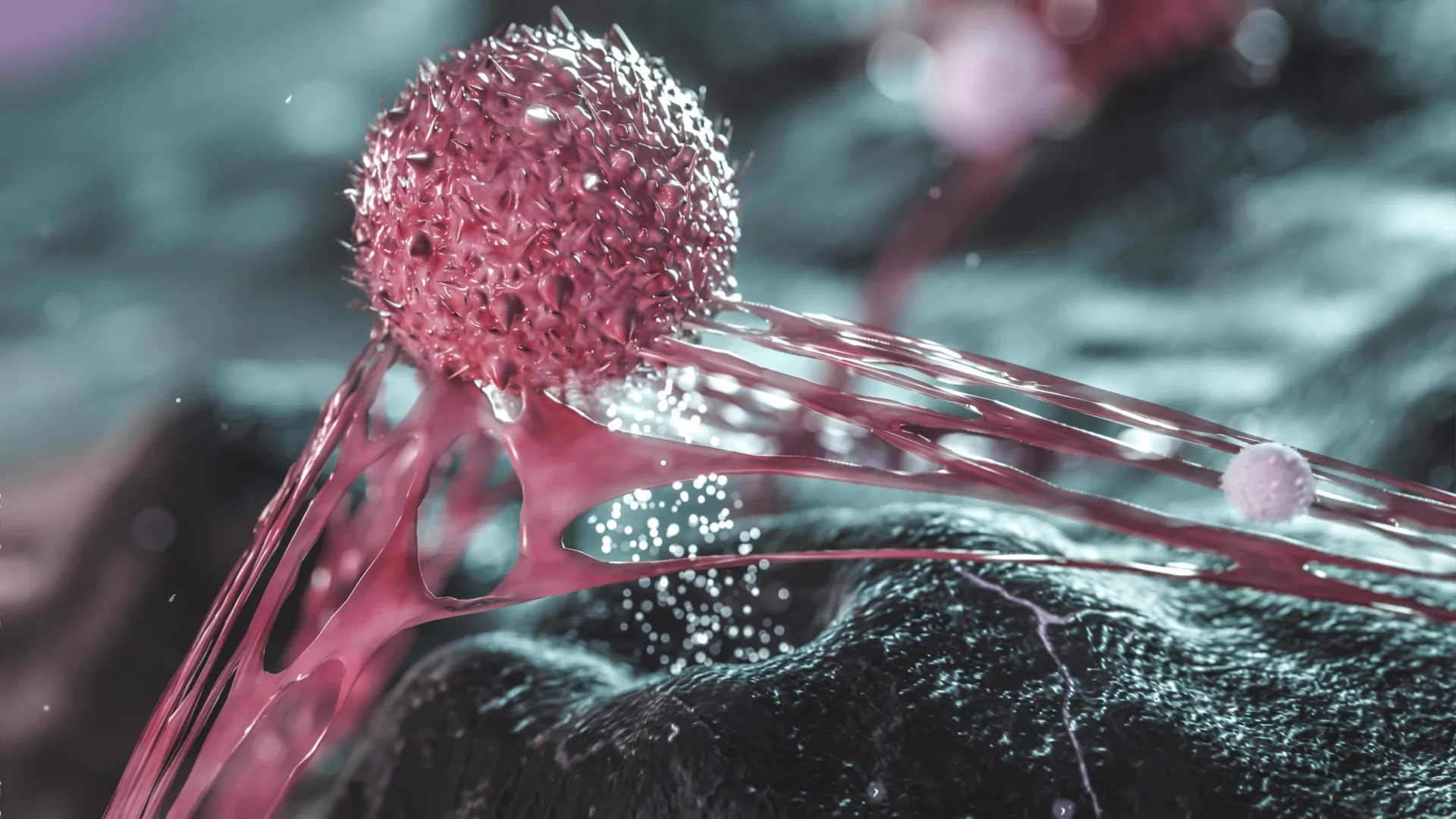
A groundbreaking collaborative investigation has meticulously mapped the intricate cellular architecture of breast tumors, revealing distinct regions where cancer cells either proliferate aggressively or lie dormant, critically, often encased within protective cellular "shields." This discovery suggests a profound re-evaluation of current therapeutic strategies, indicating that future cancer treatments must extend beyond targeting rapidly growing cells to also dismantle these quiescent cellular havens and their supportive microenvironments, thereby mitigating the pervasive risk of disease recurrence.
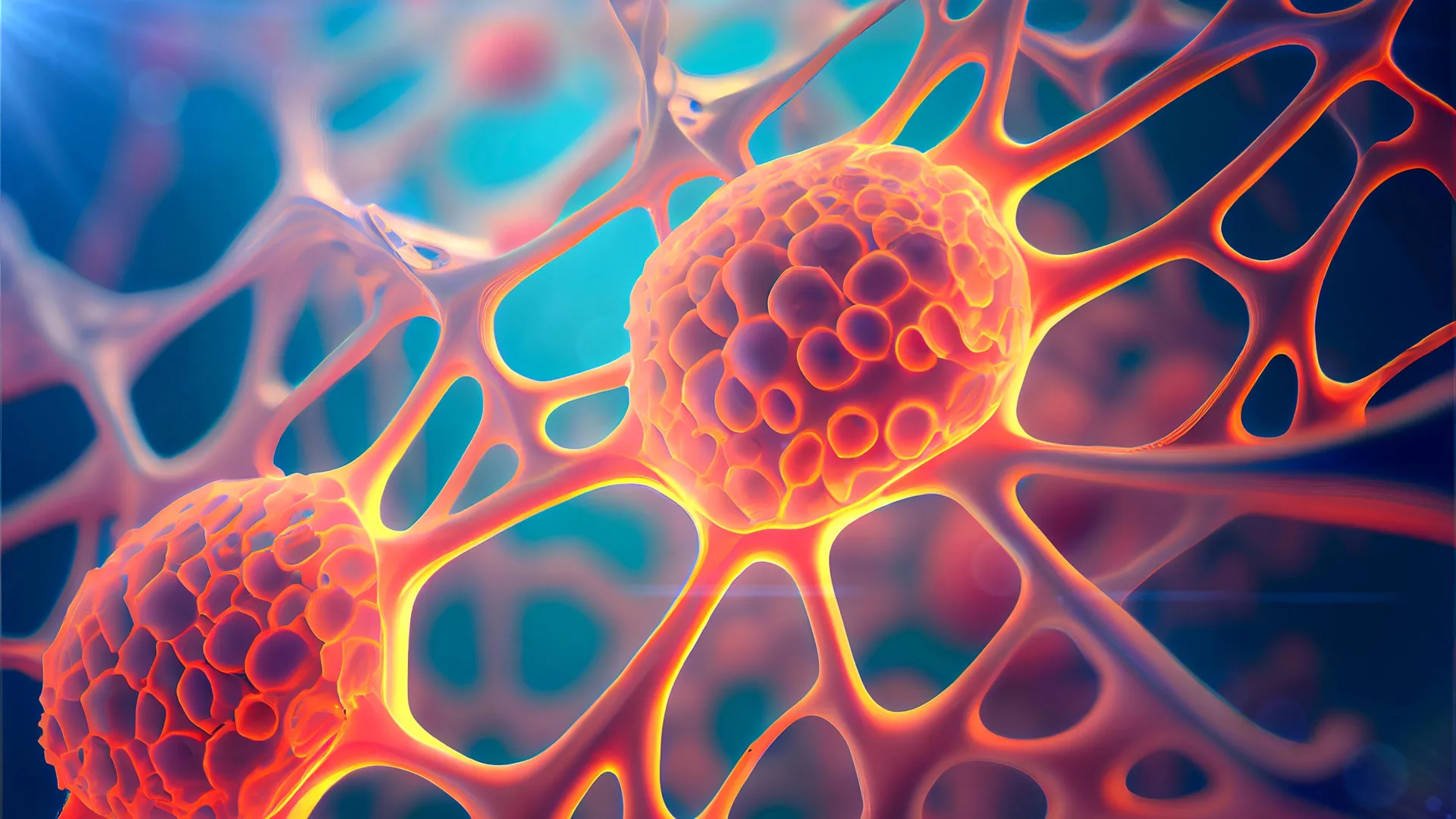
Breast cancer, like many malignancies, is characterized by its remarkable heterogeneity, presenting a formidable challenge to effective long-term treatment. Tumors are not monolithic masses of identical cells but rather complex, dynamic ecosystems comprising a diverse array of cellular inhabitants. Alongside the rapidly multiplying cancerous cells that drive tumor growth, there exists a significant population of immune cells, newly formed blood vessels, and critically, a subset of cancer cells that adopt an unusually quiescent or dormant state. These "sleeping" cells represent a critical frontier in oncology, as their ability to evade conventional therapies and subsequently reactivate is a primary driver of cancer relapse and metastasis.
The Enigma of Dormant Cancer Cells
The phenomenon of cancer cell dormancy is a subject of intense scientific scrutiny due to its profound implications for patient outcomes. Dormant cancer cells are characterized by a dramatically reduced metabolic rate and a halted cell cycle, essentially pausing their growth and division. This quiescent state allows them to persist undetected and unharmed by many standard chemotherapy drugs, which primarily target rapidly dividing cells. The analogy of a hibernating bear, conserving energy during harsh conditions, aptly describes their survival strategy: these cells can remain inactive for extended periods, waiting for a more favorable environment to re-emerge and initiate aggressive proliferation.
The inherent danger of quiescent cancer cells lies in their capacity for future reactivation. Following the conclusion of what appears to be successful treatment, these hidden cells can "awaken," leading to tumor recurrence or the spread of the disease to distant sites in the body, often years after initial diagnosis. Understanding the mechanisms that govern their entry into and exit from dormancy, as well as the conditions that sustain them, is paramount for developing truly curative therapies. Previous research has often focused on the genetic and molecular characteristics of these cells themselves. However, this latest study significantly advances our comprehension by spatially pinpointing these dormant populations within the tumor and, crucially, identifying the specific cellular neighborhoods that appear to shelter them.
Precision Mapping: Illuminating Tumor Heterogeneity
To unravel the mysteries of these hidden cell populations, a multi-institutional research team leveraged state-of-the-art computational biology and advanced molecular profiling techniques. The researchers combined single-cell RNA sequencing (scRNA-seq) with spatial transcriptomics to construct an unprecedentedly detailed cellular map of breast tumors.
Single-cell RNA sequencing revolutionized genomics by allowing scientists to analyze gene expression profiles at the resolution of individual cells, rather than averaging across millions of cells in a bulk tissue sample. This provides an unparalleled level of detail regarding cellular identity, function, and state within a heterogeneous tissue. Complementing this, spatial transcriptomics adds the critical dimension of location, enabling researchers to visualize where these uniquely characterized cells reside within the tumor architecture and, crucially, which neighboring cells are in close proximity. This combination of techniques is pivotal because it moves beyond merely identifying cell types to understanding their spatial relationships and interactions – a critical factor in complex biological systems like tumors.
Utilizing publicly available datasets, the team meticulously generated high-resolution maps of breast cancer tumors. These maps revealed distinct clusters of quiescent cancer cells, which were notably enveloped by specific supporting cell types. A particularly striking finding was the observation that certain characteristics associated with treatment resistance appeared to pre-exist within these dormant cell populations even before any therapeutic intervention. This challenges the long-held assumption that drug resistance primarily arises as an adaptive response during treatment, suggesting that some tumors may harbor inherent resistance mechanisms from their very inception. Furthermore, the researchers observed this pattern of dormancy and protective niches across both aggressive and slower-developing forms of breast cancer, an unexpected result given prior assumptions that quiescence might be more strongly linked to slower-growing disease phenotypes.
The Protective Microenvironment: Cancer’s Cellular Shields
The analysis extended beyond merely identifying the dormant cancer cells themselves, delving deeply into the composition of the tumor microenvironment (TME) that surrounded them. The TME is a complex ecosystem of non-cancerous cells, signaling molecules, and extracellular matrix components that critically influences tumor initiation, progression, and response to therapy. In this study, a consistent and compelling pattern emerged: dormant cancer cells were frequently located in close proximity to two specific types of supporting cells: CXCL10-positive macrophages and myofibroblastic cancer-associated fibroblasts (CAFs).
Macrophages are a type of immune cell that, while capable of fighting infection and cancer, can also be "re-educated" by tumors to promote growth, suppress anti-tumor immunity, and facilitate metastasis. The presence of CXCL10-positive macrophages specifically around dormant cells suggests a specialized role. CXCL10 is a chemokine that can recruit immune cells, but its context-dependent function within the TME is complex and can sometimes be hijacked by tumors to promote their survival. Myofibroblastic CAFs are activated fibroblasts that become a prominent component of the tumor stroma, producing extracellular matrix proteins and secreting various growth factors and cytokines that can foster tumor progression and contribute to drug resistance.
The researchers propose that these surrounding macrophages and fibroblasts may not merely be passive bystanders but actively contribute to the protection of dormant cancer cells, effectively forming a "shield." This shielding could manifest in several ways:
- Physical Barrier: The dense matrix and cellular bulk created by fibroblasts and macrophages might physically impede the penetration of therapeutic agents or immune effector cells to the dormant cancer cells.
- Immunosuppression: Macrophages, particularly certain phenotypes, are known to secrete immunosuppressive molecules that can dampen the activity of anti-tumor immune cells, thereby creating an immune-privileged sanctuary for dormant cells.
- Survival Factor Secretion: Both macrophages and CAFs can secrete a plethora of growth factors, cytokines, and chemokines that might provide essential survival signals or nutrients to quiescent cancer cells, enabling them to endure harsh conditions and evade apoptosis (programmed cell death).
- Altering Drug Metabolism: The local microenvironment created by these cells might alter the pH, oxygen levels, or metabolic profiles in a way that reduces the efficacy of certain drugs or protects cancer cells from their toxic effects.
A critical unanswered question, as acknowledged by the researchers, is the precise direction of causality: Do the surrounding cells actively push cancer cells into dormancy, or do dormant cancer cells attract and alter their surroundings to create a protective niche? It is highly probable that a complex, reciprocal interplay exists, where cancer cells influence their microenvironment, and the microenvironment, in turn, influences the behavior and state of the cancer cells. Understanding this dynamic is crucial for therapeutic intervention.
Towards Spatially-Targeted and Combination Therapies
The findings carry profound implications for the development of future cancer therapies. Conventional chemotherapy drugs are often most effective against rapidly dividing cells, making dormant cells inherently resistant. This study underscores that different regions within the same tumor may respond disparately to treatment due to their distinct cellular compositions and states.
The identification of increased activity in the complement pathway within these dormant cell niches presents a promising new therapeutic avenue. The complement system is a vital part of the innate immune system, involved in recognizing and eliminating pathogens and damaged cells. While its role in cancer is complex and can be pro-tumorigenic in some contexts, increased activity in dormant niches suggests that modulating or targeting this pathway could potentially sensitize these resistant areas to existing treatments or novel immunotherapies.
Moreover, the supportive cells surrounding dormant cancer cells—the macrophages and fibroblasts—emerge as compelling new therapeutic targets. If these cells are indeed actively maintaining dormancy or protecting the cancer cells, strategies aimed at depleting them, reprogramming them, or inhibiting their protective functions could destabilize the quiescent niches and expose the dormant cells to eradication. This could involve drugs that target specific signaling pathways within these stromal cells or immunotherapies designed to re-educate pro-tumorigenic macrophages.
This research advocates for a paradigm shift from a uniform treatment approach to one that recognizes and exploits the spatial heterogeneity of tumors. The future of oncology may lie in combination therapies tailored to attack both the rapidly proliferating areas and the shielded, dormant regions. By understanding the unique vulnerabilities of each distinct cellular zone within a tumor, clinicians could potentially deploy a more effective arsenal of drugs. For instance, a patient might receive conventional chemotherapy to address the fast-growing tumor bulk, combined with an agent specifically designed to disrupt the protective shields around dormant cells, followed by a treatment that reactivates or directly eliminates the newly exposed quiescent cells. This multifaceted approach holds the promise of achieving more durable responses and significantly reducing the likelihood of relapse.
A Path Towards Enduring Remissions
While the insights gleaned from this detailed analysis necessitate further experimental validation in preclinical models and eventually clinical trials, they provide a powerful conceptual framework for advancing cancer treatment. Pinpointing these pre-existing, treatment-resistant regions within tumors and elucidating the cellular components that sustain them represents a significant leap forward in our understanding of cancer biology.
The ultimate goal is to move beyond temporary tumor shrinkage to achieving long-term control and, ideally, eradication of the disease. By comprehensively mapping quiescent cells and the protective environments that encase them, scientists are better equipped to design sophisticated, multi-pronged therapeutic strategies. Such strategies would simultaneously target the actively growing portions of a tumor and dismantle the dormant cellular reservoirs that historically have been responsible for disease recurrence. This meticulous, cell-by-cell understanding of the tumor landscape holds immense potential for transforming cancer care, paving the way for more effective, longer-lasting treatments and improved patient outcomes.
This critical research was supported by significant funding from key scientific bodies, including a UKRI Future Leaders Fellowship, the Medical Research Council, and the Biotechnology and Biological Sciences Research Council, underscoring the collaborative effort and strategic investment required to tackle such complex biological challenges.


 Aura Kasih
 Safa Marwah