Ayu Aulia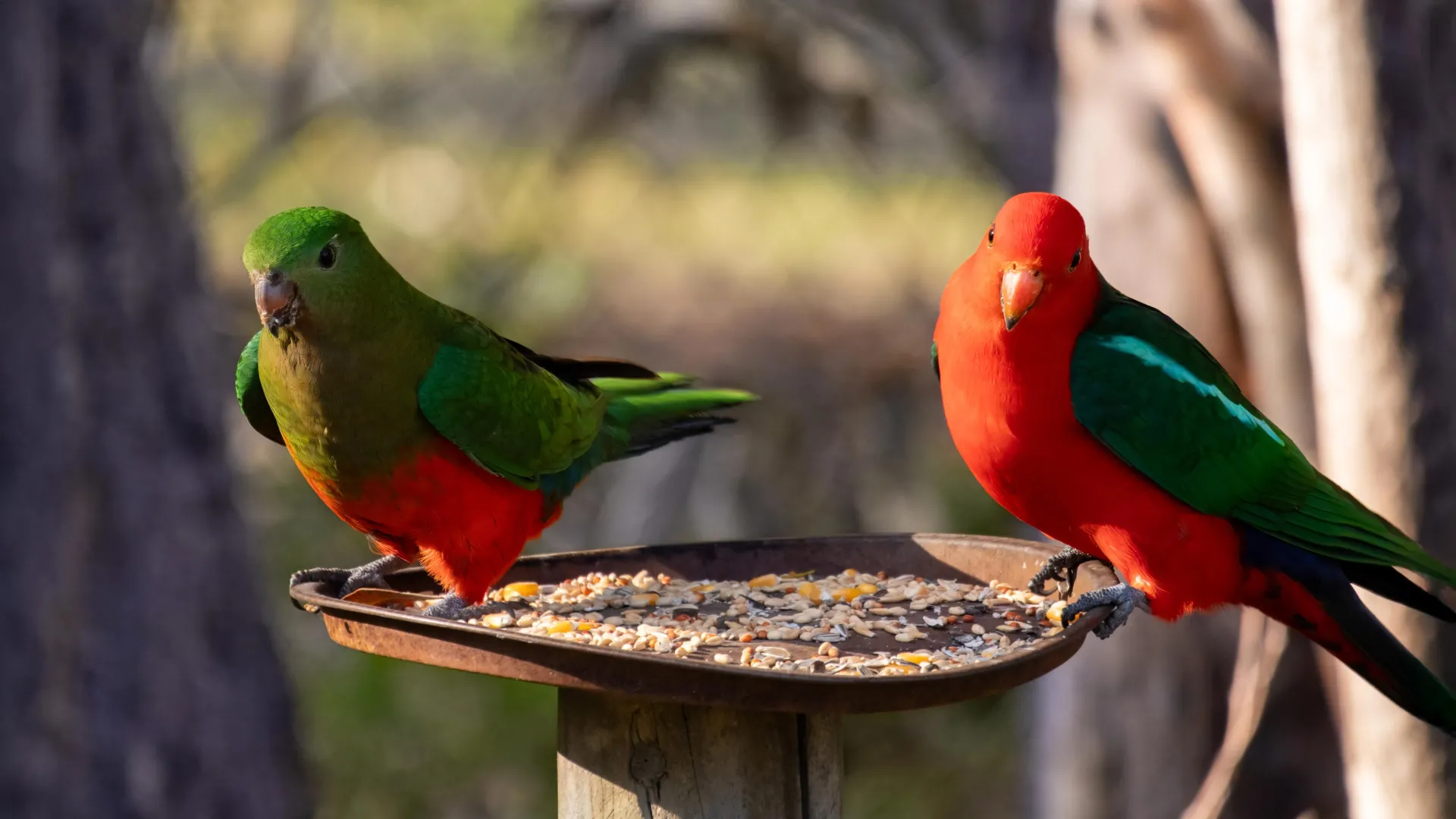
The widespread and deeply ingrained practice of supplementary feeding for wild birds, a cherished activity for millions globally, is increasingly being identified as a significant, yet often overlooked, amplifier in the transmission dynamics of highly pathogenic avian influenza, specifically the H5N1 strain. This analysis explores how seemingly benign human interactions with wildlife, particularly through backyard feeders, can inadvertently create epidemiological hotspots, exacerbating a severe zoonotic threat that is already devastating wild bird populations, impacting mammals, and posing a persistent, albeit currently low, risk to human health. The article delves into the ecological implications, the motivations behind this popular pastime, and outlines critical mitigation strategies necessary to safeguard both avian biodiversity and public health against the relentless advance of this formidable pathogen.
The Pervasive Practice of Wild Bird Feeding
Across numerous developed nations, providing food for wild birds has evolved from a niche activity into a mainstream hobby, deeply woven into the fabric of daily life for a substantial portion of the population. In Australia, for instance, robust research indicates that approximately half of all households engage in some form of wild bird feeding, with many individuals committing to this routine on a daily basis. This widespread engagement is driven by a diverse array of motivations, ranging from a desire to connect with nature, to offering perceived sustenance during harsh environmental conditions, or simply deriving enjoyment from the vibrant presence of avian life in personal outdoor spaces. Participants often hold a profound affection for their feathered visitors, operating under the sincere belief that their provisioning efforts are beneficial and supportive of local bird populations. However, this deeply ingrained practice, while well-intentioned, now stands at the forefront of a critical epidemiological challenge, potentially transforming backyards into unwitting epicenters for disease proliferation.
H5N1: A Global Scourge and Emerging Threat
The H5N1 strain of avian influenza represents a formidable and rapidly evolving threat to global biodiversity and public health. This highly pathogenic virus has unleashed an unprecedented wave of mortality across continents, decimating vast numbers of wild bird species and, increasingly, spilling over into mammalian populations. Its relentless march has been characterized by mass die-offs, with significant ecological and economic repercussions. The virus’s inherent virulence and its capacity for rapid mutation make it a perpetual concern for epidemiologists and conservationists alike.
Recent developments in Australia underscore the immediate and escalating nature of this crisis. The detection of H5N1 has been linked to the deaths of over 1,000 crested terns, a stark indicator of the virus’s destructive potential within avian communities. More alarmingly, the identification of H5N1 in a long-nosed fur seal marks the first confirmed detection in a mainland mammal within the continent, signaling a concerning expansion of the virus’s host range. This spillover event serves as a grim milestone, illustrating the virus’s capacity to cross species barriers and potentially establish new reservoirs, thereby complicating containment efforts and amplifying the overall threat landscape. The global trajectory of H5N1, characterized by its devastating impact on various wild bird and mammal populations worldwide, underscores the urgent need for comprehensive strategies to curb its spread.
Backyard Feeders: Unintended Superspreader Environments
The concept of a "superspreader event," typically associated with an individual disproportionately infecting a large number of others, finds a compelling parallel in the context of backyard bird feeding. These seemingly innocuous feeding stations, while designed to attract and nourish, inadvertently create conditions highly conducive to the rapid and widespread transmission of pathogens like H5N1. By offering supplementary food, such as seeds, suet, or meat scraps, humans create an artificial attractant that draws together an unusually high density and diversity of bird species. In natural settings, many of these species would typically maintain greater spatial separation, thereby limiting opportunities for direct and indirect disease transmission.
The congregation of various avian species at a single location, often sharing common feeding surfaces, water sources, and perching sites, transforms these backyards into what can be accurately described as "transmission hotspots." Within these concentrated environments, birds carrying deadly diseases, including the H5N1 virus, can readily shed the pathogen through respiratory secretions, feces, or direct contact. The shared resources then become contaminated fomites, facilitating the transfer of the virus to other susceptible individuals. This unnatural aggregation significantly heightens the risk of inter-species transmission, allowing the virus to jump between different bird populations that might not otherwise interact closely. Such localized outbreaks can then serve as launchpads for broader regional spread, as infected birds disperse and carry the pathogen to new territories. The implications for already threatened species, such as the critically endangered orange-bellied parrot, are particularly dire, as a single exposure event could push them closer to extinction.
Beyond Avian Hosts: The Mammalian Spillover
The fatal effects of H5N1 are not confined solely to avian populations. The spillover of the virus into mammalian hosts presents a growing concern for wildlife health and, by extension, potential human exposure. Scavenger animals, including possums, red foxes, and crows, frequently come into contact with the virus when consuming the carcasses of infected birds. This predatory or scavenging behavior introduces a new vector for viral transmission, potentially establishing new infection cycles within mammalian communities. The detection of H5N1 in a fur seal in Australia highlights the vulnerability of marine mammals, likely exposed through consuming infected prey or contact with contaminated environments.
While human infection with H5N1 remains statistically rare and typically results in mild symptoms, the risk is not negligible, especially for individuals with prolonged or close contact with infected wildlife. Veterinary professionals, wildlife carers, researchers, and individuals involved in disease surveillance are particularly susceptible due to their occupational exposure. The potential for the virus to adapt further and increase its transmissibility to humans remains a constant concern for public health authorities, necessitating continuous monitoring and robust biosecurity measures.
The Human Element: Motivation Versus Risk
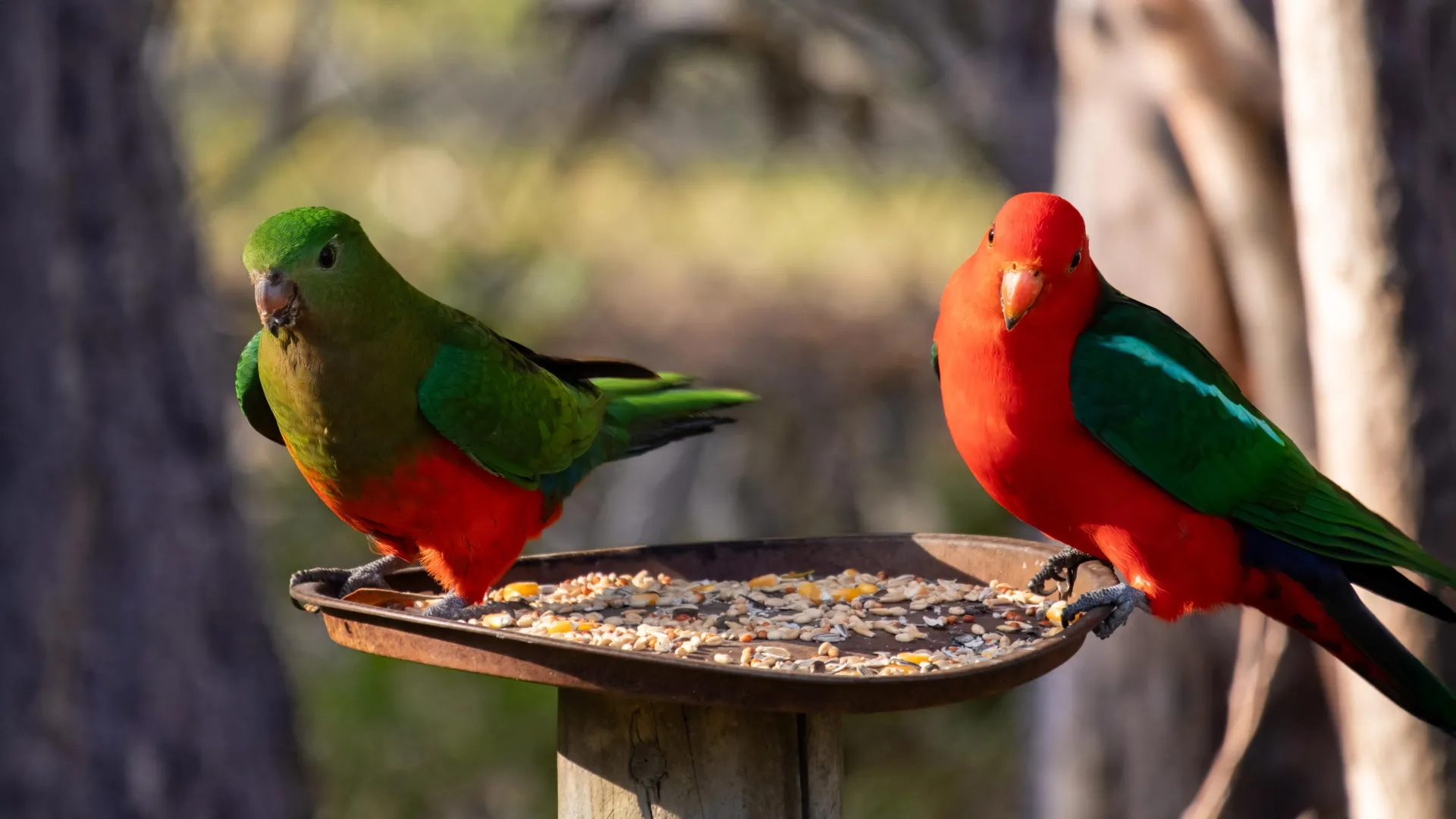
Understanding the motivations behind backyard bird feeding is crucial for developing effective mitigation strategies. For many, it is more than just a hobby; it is a deeply personal connection to the natural world, a source of comfort, and a perceived act of kindness towards wildlife. Individuals often believe they are providing essential sustenance, particularly during periods of food scarcity or harsh weather. However, extensive ecological research indicates that for most bird species that visit feeders, the vast majority of their nutritional intake is derived from natural sources, such as insects, seeds, and worms. The food provided by humans, while readily consumed, often functions more as a supplementary "snack" rather than a critical dietary staple. This ecological reality challenges the perception that human intervention is necessary for the survival or well-being of these wild populations.
The challenge lies in reconciling these deeply held beliefs and positive intentions with the stark scientific evidence of the risks involved. Public awareness campaigns must carefully navigate this emotional landscape, emphasizing that genuine care for avian health now necessitates a re-evaluation of feeding practices. The potential for widespread wildlife deaths due to disease transmission far outweighs the perceived benefits of supplementary feeding, especially in the context of a virulent pathogen like H5N1.
Strategic Mitigation: Safeguarding Birds and Humans
Given the significant epidemiological risks posed by widespread backyard bird feeding, a multi-faceted approach to mitigation is imperative. The most effective and scientifically robust strategy for minimizing H5N1 transmission at a localized level is the complete cessation of supplementary feeding activities. Eliminating artificial food sources drastically reduces the unnatural congregation of birds, allowing them to disperse and forage naturally, thereby limiting opportunities for disease spread. Birds possess inherent foraging capabilities and are generally self-sufficient; their reliance on human-provided food is typically minimal.
However, recognizing the deeply ingrained nature of this pastime, if individuals choose to continue feeding wild birds, strict precautionary measures are absolutely essential to minimize risk:
-
Reduced Food Provision: The quantity of food offered should be significantly curtailed. Overfilling feeders or consistently providing large quantities of food actively encourages greater numbers of birds to congregate for longer durations. By providing less food, the attractiveness of the feeding station is diminished, promoting more dispersed foraging behavior and reducing the density of birds at any given time. This effectively mimics social distancing protocols, lowering the probability of H5N1 transmission between individuals.
-
Elimination of Hand-Feeding: Direct physical contact with wild birds, particularly through hand-feeding, must be unequivocally avoided. While the likelihood of human contraction of H5N1 from wild birds remains low for the general public, any direct interaction presents an elevated risk. Hand-feeding breaches the natural barrier between humans and wildlife, creating an unnecessary pathway for potential zoonotic spillover. This intimate interaction, while often cherished, is an unacceptable risk in the current epidemiological climate.
-
Rigorous Hygiene Protocols: For any continued feeding activity, an unwavering commitment to stringent hygiene is paramount. All feeding surfaces, containers, and equipment must be cleaned meticulously and frequently. This involves regular scrubbing with hot, soapy water, followed by disinfection with a domestic bleach solution (e.g., 1 part bleach to 9 parts water). Such rigorous cleaning protocols are crucial for eliminating viral particles that can accumulate on surfaces from bird droppings, saliva, and other secretions. Without consistent and thorough sanitation, feeders become vectors for disease rather than benign provisions. Individuals unwilling or unable to commit to this level of hygiene should refrain from feeding birds entirely.
Future Outlook and Broader Implications
The ongoing spread of H5N1 avian influenza underscores the interconnectedness of animal, human, and environmental health – a concept encapsulated by the "One Health" approach. The virus’s adaptability and its increasing presence in diverse geographical regions and host species necessitate sustained global surveillance, rapid diagnostic capabilities, and collaborative international responses. Public education campaigns, emphasizing the risks associated with human-wildlife interactions in a disease-prone world, are critical for fostering responsible stewardship.
The current H5N1 crisis serves as a powerful reminder that seemingly harmless human activities can have profound and unintended consequences for ecosystems and public health. While the desire to engage with nature is commendable, the methods of engagement must evolve in light of emerging scientific understanding and global health threats. Protecting both avian populations and human communities from this deadly disease requires a collective shift in perspective and a commitment to implementing evidence-based biosecurity measures.
Advisory: Members of the public are strongly urged not to touch sick or deceased birds or marine mammals. If such animals are encountered, record their location, capture photographs from a safe distance, ensure pets are kept away from the area, and immediately report the sighting to the relevant emergency animal disease hotline. In Australia, this is the Emergency Animal Disease Hotline on 1800 675 888.


 Lisa Mariana
 Aura Kasih
 Safa Marwah