Aura Kasih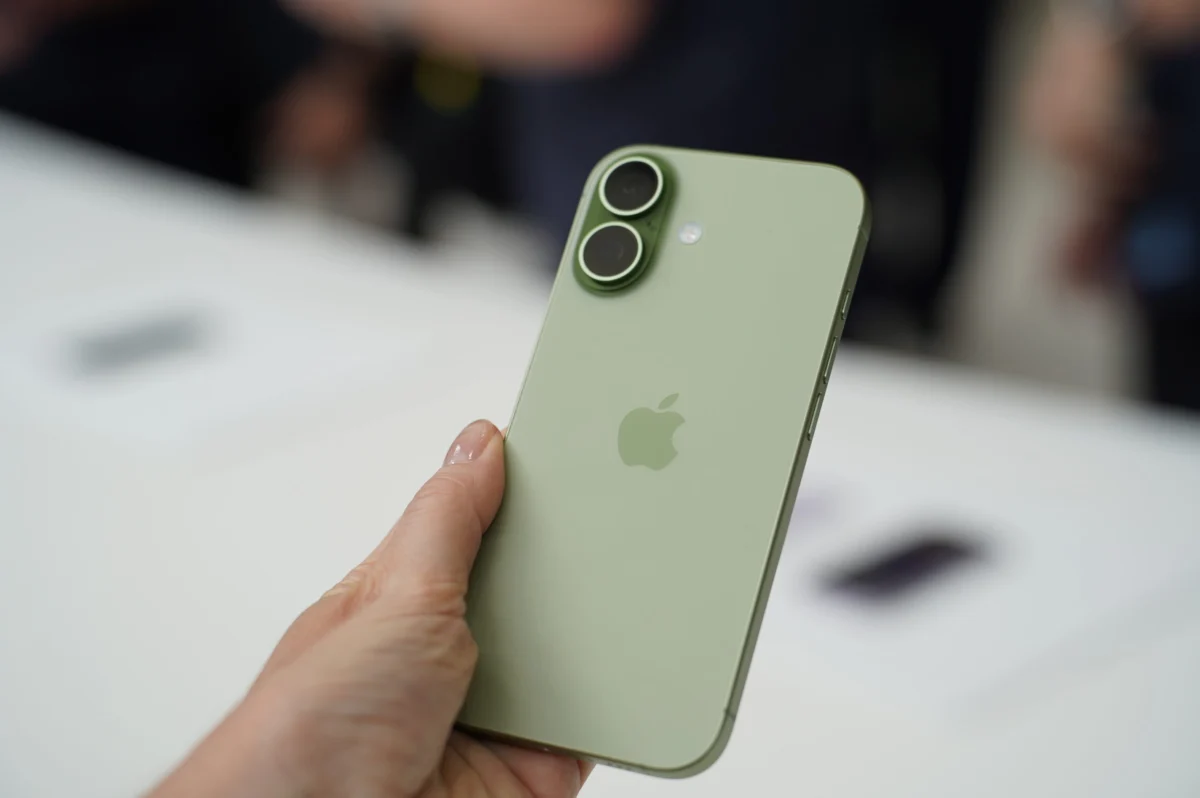
Despite pervasive global shortages impacting the availability of critical memory components, Apple has demonstrated remarkable resilience, reporting substantial revenue increases for its flagship iPhone and Mac product lines. This stellar performance, detailed in the company’s latest quarterly financial disclosure, underscores Apple’s strategic prowess in navigating complex supply chain challenges and its enduring appeal to a vast consumer base.
The Cupertino-based technology titan has once again showcased its formidable market dominance, with its latest financial disclosures revealing a significant upward trajectory in sales for its most iconic hardware offerings. The iPhone, the company’s perpetual revenue engine, experienced a remarkable 22% surge in revenue, climbing to an impressive $54.25 billion. Concurrently, the Mac division witnessed an even more substantial growth spurt, with sales escalating by 29% to reach $10.35 billion. These robust figures collectively propelled Apple’s total revenue to an astonishing $109.4 billion for the third quarter, a testament to the company’s sustained demand and effective market penetration.
However, this impressive financial narrative is not without its cautionary undertones. Apple executives have openly acknowledged that the prevailing global memory shortage is poised to intensify in the immediate future. During a recent investor conference call, Chief Financial Officer Kevan Parekh articulated the company’s expectation of "significantly increasing supply constraints" in the upcoming quarter. This anticipated escalation is projected to exert pressure across Apple’s core product ecosystems, including the iPhone, Mac, and iPad. Adding to these concerns, Chief Executive Officer Tim Cook projected that the company would likely incur "even higher memory costs" in the months ahead, signaling a potential impact on profit margins if not meticulously managed.
This period marks a significant inflection point for Apple, as it represents the final earnings report under the stewardship of current CEO Tim Cook. Mr. Cook is slated to relinquish his leadership role on September 1st, transitioning the helm to John Ternus, the current Vice President of Hardware Engineering. Mr. Ternus inherits a company at the zenith of its market influence, yet simultaneously confronting intricate operational and economic headwinds.
In a proactive move to mitigate the financial repercussions of the ongoing RAM scarcity, Apple implemented a series of price adjustments across its product portfolio in June. This strategic decision saw price hikes introduced for its Mac computers, iPads, and other devices. The company’s latest innovation, the MacBook Neo, also experienced a price increase, moving from $599 to $699. Since its debut in March, the MacBook Neo had been lauded for its disruptive impact on the affordable laptop market, characterized by its exceptionally lightweight design and high-speed performance capabilities. The price adjustment, while potentially dampening some consumer enthusiasm, likely reflects the increased cost of essential components.
While Apple has so far refrained from adjusting iPhone pricing, industry analysts are anticipating a potential shift. Projections suggest that the upcoming iPhone 18 lineup, expected to launch this fall, could see a price increase of up to $200 per device. This potential escalation in cost aligns with the broader inflationary pressures impacting the technology sector, particularly concerning the procurement of advanced semiconductor components. Alongside the anticipated hardware refresh, Apple is reportedly gearing up for a significant enhancement of its Siri artificial intelligence capabilities. The forthcoming "more personalized Siri AI," slated for a wide release with the iPhone 18, is designed to offer advanced contextual understanding, enabling the assistant to interpret on-screen information, conduct cross-application searches, and execute complex tasks such as calendar management with enhanced efficiency. This strategic integration of advanced AI is expected to further differentiate Apple’s premium offerings and enhance user engagement.
In parallel with these product-centric developments, Apple has also introduced a novel leasing program designed to enhance accessibility for its hardware. The new "Upgrade program" offers consumers the option to lease iPhones, iPads, Apple Watches, and Macs for a fixed monthly fee. This initiative aims to provide greater flexibility and potentially lower the barrier to entry for acquiring Apple’s ecosystem of devices, particularly for users who prefer a subscription-based model over outright purchase.
Beyond its hardware divisions, Apple’s Services segment continues to be a powerhouse of recurring revenue. The company reported an impressive $30.74 billion in services revenue, a segment encompassing popular offerings such as Apple One bundles and Apple TV+ subscriptions. Mr. Parekh highlighted the substantial growth within this sector, announcing that Apple now boasts over 1.5 billion subscribers across its diverse range of services. This extensive subscriber base represents a significant and stable revenue stream, complementing the cyclical nature of hardware sales. Furthermore, Apple’s wearables division contributed $7.88 billion to the company’s coffers, while its iPad revenue, though lower than anticipated, still amounted to a respectable $6.2 billion.
The resilience of Apple’s sales performance in the face of widespread component shortages is a multifaceted phenomenon. It speaks to the company’s robust supply chain management capabilities, its long-standing relationships with key suppliers, and its ability to secure preferential allocation of scarce resources. Apple’s scale and purchasing power grant it a significant advantage in navigating such challenging market conditions, allowing it to prioritize production for its most lucrative and strategically important product lines.
Moreover, the inherent brand loyalty and the perceived value proposition of Apple’s ecosystem play a crucial role. Consumers are often willing to absorb incremental price increases or endure longer waiting periods for Apple products due to their perceived quality, user experience, and seamless integration across devices. The company’s continuous investment in research and development, particularly in areas like artificial intelligence and advanced chip design, ensures that its products remain at the cutting edge, justifying premium pricing and sustained demand.
The ongoing RAM shortage, however, presents a persistent and evolving challenge. This global scarcity, driven by increased demand across the electronics industry and exacerbated by geopolitical factors and production bottlenecks, is projected to continue for several years. Industry analysts suggest that the shortage could extend well into 2027 and potentially beyond, necessitating ongoing strategic adjustments from all device manufacturers. Apple’s proactive pricing strategies and its focus on optimizing component utilization are critical in mitigating the direct impact on its financial performance.
The transition in leadership from Tim Cook to John Ternus also warrants attention. Mr. Cook’s tenure has been marked by unprecedented growth and strategic expansion, transforming Apple into the world’s most valuable company. Mr. Ternus, with his deep technical background in hardware engineering, is expected to maintain Apple’s commitment to product innovation and operational excellence. His leadership will be tested as he navigates the complexities of global supply chains, evolving technological landscapes, and the perpetual challenge of maintaining Apple’s competitive edge.
The implications of Apple’s current trajectory extend beyond its immediate financial results. The company’s ability to consistently drive sales growth in a constrained market highlights its market power and its influence over the broader technology industry. Its strategic decisions regarding pricing, product development, and supply chain management can set precedents and influence market dynamics for competitors. Furthermore, the continued expansion of its services ecosystem reinforces its shift towards a more diversified revenue model, reducing its reliance solely on hardware sales and creating a more stable and predictable income stream.
Looking ahead, Apple faces the ongoing imperative of securing critical components while continuing to innovate and meet consumer demand. The company’s strategic investments in its own chip design capabilities, exemplified by its M-series processors for Macs and A-series chips for iPhones, provide a degree of insulation from external supply chain vulnerabilities. However, the reliance on third-party memory manufacturers remains a significant factor. The company’s ability to effectively manage these relationships, explore alternative sourcing strategies, and potentially invest in its own memory production capabilities will be crucial for its long-term success. The integration of advanced AI, as seen with the forthcoming Siri enhancements, represents a key area of differentiation and future growth, promising to further entrench users within the Apple ecosystem and create new avenues for revenue generation. The success of these initiatives, coupled with the company’s ability to navigate the persistent supply chain challenges, will shape Apple’s performance in the coming years.




 Safa Marwah
 Ayu Aulia