Aura Kasih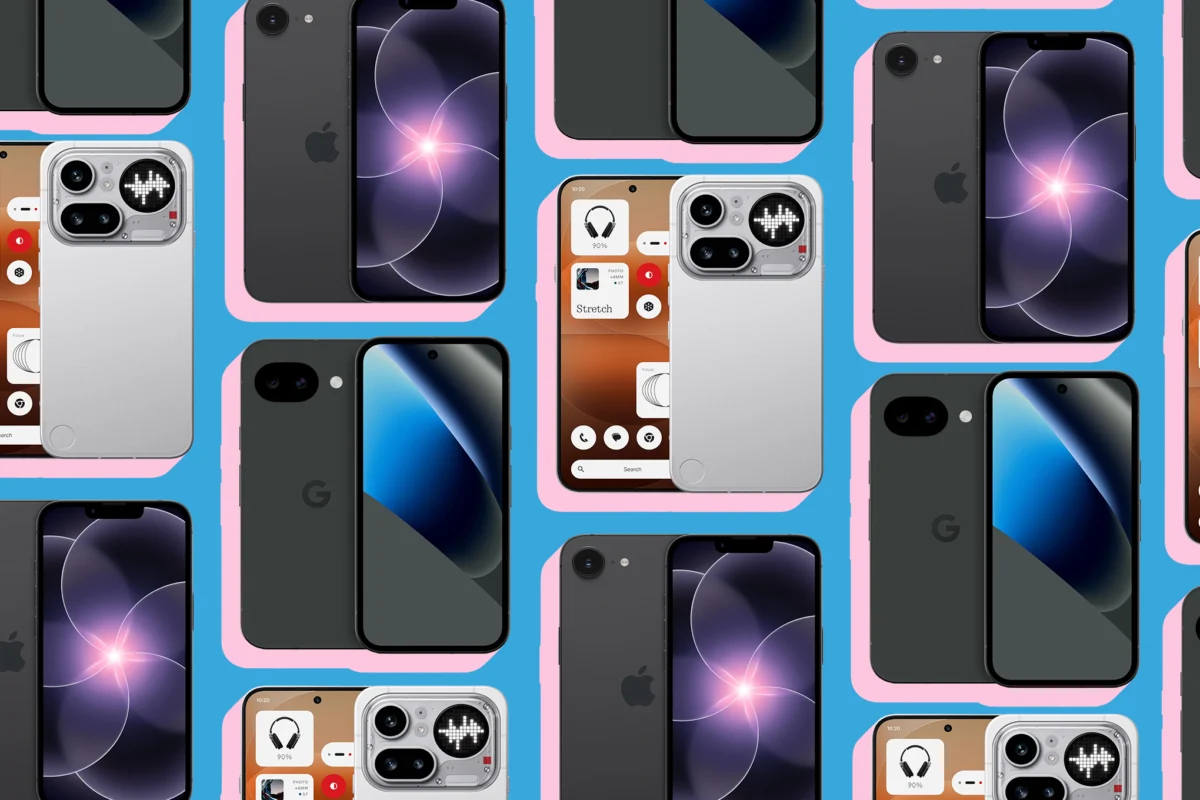
For the pragmatist who views technology as a functional asset rather than a status symbol, the pursuit of a capable yet affordable smartphone is paramount. This guide delves into the evolving landscape of budget-friendly devices, exploring options that deliver exceptional performance and features without demanding a premium price tag. We will illuminate devices that offer substantial value, allowing consumers to allocate their financial resources towards other significant investments, be it experiences, further education, or other technological pursuits.
In today’s dynamic consumer electronics market, the concept of a "budget smartphone" has undergone a significant transformation. Gone are the days when lower price points invariably meant sacrificing essential functionality or enduring a frustrating user experience. Modern budget devices, typically priced at or below the $600 mark, now offer a compelling blend of performance, usability, and features that can satisfy the needs of a broad spectrum of users. While it is true that these devices may not always feature the cutting-edge innovations or premium build materials found in flagship models, the compromises are often strategically implemented, allowing manufacturers to deliver exceptional value. Understanding these trade-offs is key to making an informed decision.
The primary areas where budget smartphones typically differ from their more expensive counterparts involve a nuanced balance of processing power, storage capacity, and camera sophistication. Processors in budget devices, while highly capable for everyday tasks such as web browsing, social media, and most applications, may not offer the same raw speed or graphical prowess for demanding mobile gaming or intensive video editing. Similarly, internal storage often starts at lower capacities, necessitating a more mindful approach to app installation and media storage, or reliance on cloud-based solutions. Camera systems, while increasingly impressive in the sub-$600 segment, may not possess the same advanced computational photography capabilities, optical zoom ranges, or low-light performance as top-tier flagship phones.
Furthermore, certain premium features commonly found in high-end devices are often omitted to maintain affordability. This can include the absence of wireless charging capabilities, the use of lower-resolution or less advanced display technologies (such as LCD panels instead of OLED, or lower refresh rates), and potentially less robust water and dust resistance ratings. However, it is crucial to note that many budget phones now offer features like high-refresh-rate displays and competent multi-lens camera setups, blurring the lines between mid-range and premium offerings. The selection presented here represents the pinnacle of value, focusing on devices that excel in their respective categories and provide an outstanding user experience for their cost.

The Premier Budget iPhone Option
For users invested in the Apple ecosystem or seeking the streamlined user experience and robust security associated with iOS, the iPhone 17E emerges as the most compelling budget-conscious choice. This device represents a thoughtful curation of Apple’s core technologies, delivering performance that far exceeds its price point. At its heart lies the formidable A19 chipset, the same powerful processor found in the standard iPhone 17. This ensures that the iPhone 17E handles everyday tasks with remarkable fluidity, from navigating the operating system and running applications to casual gaming and multimedia consumption.
The starting configuration of 256GB of internal storage is a significant advantage, providing ample space for a substantial library of apps, photos, and videos, thereby mitigating concerns about storage limitations often found in lower-tier devices. The battery performance is also noteworthy, offering a full day of reliable usage for the average user, a crucial factor for those who rely on their phone throughout the day without constant access to a power source. A key upgrade over previous budget iPhone models is the inclusion of MagSafe technology. This magnetic wireless charging system not only facilitates faster and more convenient wireless charging but also unlocks a wide array of compatible accessories, from wallets and stands to car mounts, enhancing the device’s versatility.
However, acknowledging the iPhone 17E’s value proposition requires an understanding of its deliberate omissions. The most apparent compromise is the singular 48-megapixel rear camera. While this primary sensor is highly capable, producing excellent photos in various conditions, the absence of an ultrawide lens limits photographic flexibility for users who frequently employ wider perspectives. Additionally, features such as an always-on display, a higher refresh rate (it remains at 60Hz), and the dynamic functionality of Apple’s Dynamic Island are not present. For many users, particularly those not deeply engaged with the latest iPhone features, these omissions may be inconsequential. Yet, for those who prioritize photographic versatility or seek the most current iOS interface elements, the standard iPhone 17, at a higher price point, would be the logical alternative. Ultimately, for individuals seeking an iPhone experience within a $600 budget, the iPhone 17E stands as the preeminent option, offering a powerful and refined user experience without the premium cost of flagship models, assuming the constraints of a single camera and a standard display are acceptable.
The Pinnacle of Budget Android Innovation

When exploring the realm of Android, the Google Pixel 10A distinguishes itself as the reigning champion in the budget segment, offering a remarkable blend of sophisticated software, capable hardware, and an exceptional camera system at an accessible price point. While it may appear as a subtle iteration of its predecessor, the Pixel 9A, the 10A incorporates key refinements that solidify its position as the top contender. The device continues to leverage Google’s proprietary Tensor G4 chip, ensuring smooth and efficient performance for a wide array of applications and multitasking.
The 6.3-inch OLED display has been subtly enhanced, offering improved brightness for better outdoor visibility and maintaining a fluid 120Hz refresh rate that contributes to a consistently smooth visual experience. While the battery capacity remains consistent at 5,100mAh, Google has implemented software optimizations that reportedly extend battery life, providing users with greater endurance throughout the day. Charging speeds have also seen a modest improvement, with 30W wired and 10W wireless charging offering convenient and relatively quick power replenishment.
A significant addition to the Pixel 10A is its integrated satellite connectivity. This feature, increasingly becoming a standard in premium devices, offers a vital safety net for users who venture into areas with no cellular coverage, providing the ability to send emergency messages. The camera system remains a standout feature, a hallmark of the Pixel line. The 48-megapixel main sensor, identical to that found in the standard Pixel 10, is complemented by a 13-megapixel ultrawide lens, offering greater compositional flexibility. This dual-camera setup consistently delivers some of the best image quality available in the budget smartphone category, with Google’s renowned computational photography prowess ensuring impressive results across various lighting conditions.
While other manufacturers, particularly in international markets, offer competitive budget Android options from brands like Poco and Realme, the Pixel 10A’s combination of user-friendly software, excellent camera performance, and Google’s commitment to timely software updates make it the most well-rounded choice for consumers in the United States. The device provides a near-stock Android experience, free from excessive bloatware, and benefits from Google’s AI-driven features that enhance productivity and user interaction. For those seeking a premium smartphone experience without the premium price tag, the Pixel 10A presents an undeniable value proposition.
The Immersive Display Champion

For users who prioritize a large, vibrant display for media consumption, gaming, or productivity, the Nothing Phone 4A Pro emerges as a compelling option within the budget smartphone arena. This device distinguishes itself with a generously sized 6.83-inch OLED screen, boasting a sharp 1260p resolution and an exceptionally fluid 144Hz refresh rate. This combination delivers an immersive visual experience that rivals devices in higher price brackets, making it ideal for watching videos, playing graphics-intensive games, or simply navigating the interface with a sense of effortless fluidity.
The design of the Phone 4A Pro also merits attention. While Nothing is known for its distinctive transparent aesthetic, this particular model adopts a more conventional, opaque metal construction. This shift in material not only contributes to a premium feel but also allows for robust internal components. However, this design choice means that wireless charging is absent. To compensate, the device features rapid 50W wired charging, which can quickly replenish the substantial 5,080mAh battery, minimizing downtime for users on the go.
Under the hood, the Phone 4A Pro is powered by the Snapdragon 7 Gen 4 processor, offering a capable performance for everyday tasks and moderate gaming. The camera system is also noteworthy, featuring a 50-megapixel primary sensor with optical image stabilization, a 50-megapixel 3.5x telephoto lens for enhanced zoom capabilities, and an 8-megapixel ultrawide sensor. While the telephoto lens adds versatility, its performance can be mixed, and the overall camera capabilities, while good for the price, may not consistently match the computational photography prowess of Google’s Pixel devices.
A critical consideration for prospective buyers is Nothing’s software update policy. The company typically promises three major operating system updates. While this provides a reasonable lifespan for the device, it may not be sufficient for users who expect long-term support and continuous feature enhancements over many years. Nevertheless, for those whose primary focus is a large, high-quality display and a visually appealing software interface that complements the hardware, the Nothing Phone 4A Pro offers a unique and attractive package at a competitive price point. Its standout display and rapid wired charging make it a strong contender for users prioritizing visual immersion and quick power-ups.
Additional Considerations in the Budget Segment

The landscape of budget smartphones is continually evolving, with numerous manufacturers vying to offer the most compelling value proposition. Beyond the primary recommendations, several other devices warrant consideration for their specific strengths:
-
The Samsung Galaxy A Series: Samsung’s A-series continues to offer a broad spectrum of devices that balance affordability with reputable brand recognition and solid performance. Models within this series often provide good displays, competent cameras, and dependable battery life, making them reliable choices for everyday use. Specific models to investigate include the Galaxy A55 and A35, which often present a well-rounded feature set for their price.
-
Motorola Moto G Series: Motorola’s Moto G line has long been a stalwart in the budget smartphone market, consistently delivering functional and reliable devices at aggressive price points. These phones typically offer clean software experiences, decent battery performance, and often include features like larger displays and expandable storage, appealing to users who prioritize practicality and value.
-
Chinese Brands (e.g., Xiaomi, Poco, Realme): For consumers in regions where these brands have a strong presence, offerings from Xiaomi, Poco, and Realme often push the boundaries of what’s possible in the budget segment. These manufacturers frequently equip their devices with powerful processors, high-resolution displays, and impressive camera specifications, often at prices that significantly undercut competitors. However, it’s important to research their specific software interfaces and update policies, as these can vary.
When evaluating these additional options, it is crucial to align the device’s specifications and features with individual user needs. Factors such as display technology (OLED vs. LCD), processor performance for specific applications, camera quality for photography enthusiasts, battery longevity, and the availability of essential features like expandable storage or headphone jacks should be carefully weighed. Furthermore, the longevity of software support and the manufacturer’s track record for delivering timely updates are important considerations for users who intend to keep their device for an extended period. The budget smartphone market offers a wealth of choices, and by understanding the nuances of each offering, consumers can confidently select a device that delivers exceptional value and meets their specific requirements.




 Lisa Mariana
 Safa Marwah
 Ayu Aulia