Aura Kasih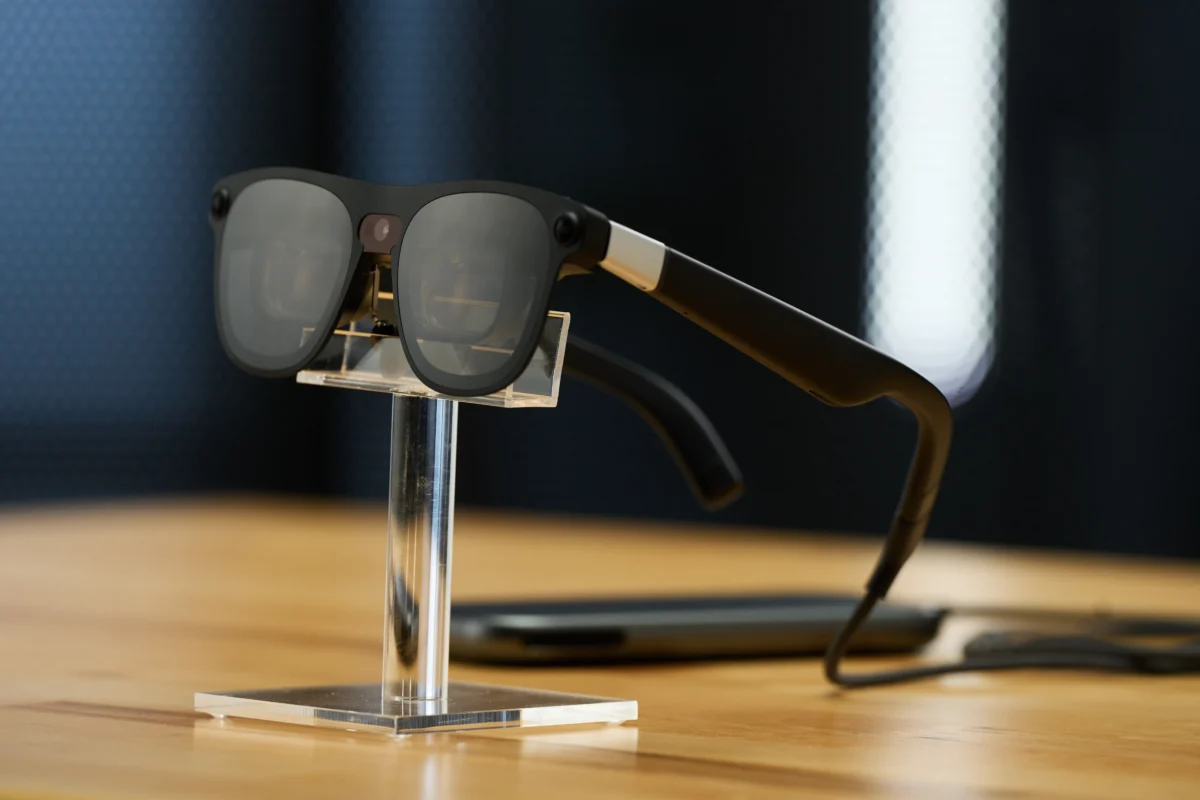
A groundbreaking collaboration is set to redefine wearable technology as Italian luxury house Gucci, under the umbrella of its parent company Kering, is reportedly preparing to unveil a line of AI-powered smart glasses in partnership with tech giant Google, with an anticipated market debut in 2027. This strategic alliance signals a significant shift in the smart eyewear landscape, aiming to bridge the perceived gap between cutting-edge functionality and high-fashion desirability, a critical hurdle that has historically challenged the mainstream adoption of such devices.
Google’s foray into the sophisticated realm of augmented reality and artificial intelligence integration within eyewear has been a persistent endeavor, marked by previous attempts and evolving strategies. The upcoming initiative is anticipated to leverage Google’s ongoing development of its Android XR platform, a comprehensive operating system designed to power a new generation of immersive and interactive experiences. This platform is expected to be the technological backbone of these new smart glasses, promising a suite of capabilities that could range from real-time information overlays and seamless communication to advanced AI-driven assistance. The choice of Gucci as a partner is particularly telling, underscoring a deliberate strategy to imbue these devices with an aesthetic appeal that transcends the utilitarian perceptions often associated with early smart eyewear.
The history of smart glasses is a narrative punctuated by both ambitious innovation and significant market missteps. Google Glass, launched over a decade ago, was a pioneering effort that captured the public imagination with its futuristic promise. However, its high price point, privacy concerns, and a design that was perceived as socially awkward ultimately hindered its widespread adoption, relegating it to niche professional applications. More recent attempts by other technology companies, such as Meta’s Ray-Ban Stories smart glasses, have sought to address the design deficit by integrating technology into more conventional eyewear frames. While these have achieved a degree of success by prioritizing style and offering features like integrated cameras and audio, they have yet to fully capture the imagination of the broader consumer market, particularly in terms of advanced AI integration and a truly seamless user experience.
The partnership between Gucci and Google represents a calculated move to circumvent the design limitations that have plagued previous smart glass iterations. Gucci, a globally recognized symbol of luxury, craftsmanship, and trendsetting fashion, brings an unparalleled understanding of consumer desire and aesthetic sophistication. By aligning with such a prominent fashion house, Google aims to elevate its smart glasses from a mere technological gadget to a coveted fashion accessory. This approach acknowledges a fundamental truth in the wearables market: for technology to become truly integrated into daily life, it must not only perform exceptionally but also resonate with personal style and identity. The success of this collaboration hinges on its ability to seamlessly blend Google’s advanced AI capabilities with Gucci’s iconic design language, creating a product that consumers will be proud to wear and use.

The strategic implications of this collaboration extend beyond the immediate launch of a new product. It signals a potential paradigm shift in how technology companies approach the wearables market. Historically, tech firms have focused on developing the hardware and software, with fashion considerations often taking a secondary role. The Gucci-Google partnership suggests a growing recognition that true market penetration requires a deeper integration with the fashion industry, tapping into its ability to influence consumer trends and create aspirational products. This model could pave the way for similar collaborations between other technology giants and high-end fashion brands, fostering an ecosystem where technology and style are not just complementary but intrinsically intertwined.
Furthermore, the choice of AI as a core feature of these smart glasses highlights the accelerating integration of artificial intelligence into everyday consumer products. Beyond simple notifications or camera functions, the presence of AI suggests a more proactive and intelligent user experience. This could manifest in a variety of ways, such as personalized information delivery based on context, advanced language translation capabilities, or even predictive assistance that anticipates user needs. The success of these AI features will depend on their ability to be intuitive, unobtrusive, and genuinely useful, without overwhelming the user or compromising privacy. The ethical considerations surrounding AI-powered eyewear, including data privacy and the potential for misuse, will undoubtedly be a significant area of focus for both companies and consumers alike.
The competitive landscape for smart eyewear is becoming increasingly dynamic. With Meta’s established presence and the potential for other tech companies to forge similar fashion partnerships, the market is poised for significant growth and innovation. Google’s previous collaborations with eyewear brands like Warby Parker and Gentle Monster indicate a broader strategy of exploring diverse market segments and design aesthetics. However, the prestige and global reach of Gucci place this latest partnership in a distinct category, signaling a direct challenge to existing players and a clear intention to capture a premium segment of the market. The price point and distribution strategy for these Gucci-branded smart glasses will be crucial determinants of their accessibility and ultimate success.
Looking ahead, the potential impact of this collaboration could extend far beyond the realm of fashion and personal technology. The successful integration of advanced AI into stylish, wearable devices could accelerate the development and adoption of augmented reality in various sectors, from education and entertainment to professional fields. As consumers become more accustomed to interacting with digital information seamlessly overlaid onto their physical environment, the possibilities for innovation are virtually limitless. However, the journey from concept to mass adoption is fraught with challenges. Ensuring user privacy, developing intuitive and user-friendly interfaces, and addressing potential societal implications will be critical factors in shaping the future of AI-powered smart eyewear. The alliance between Gucci and Google, with its dual focus on luxury and intelligence, represents a bold step into this uncharted territory, promising to reshape our perception of what wearable technology can and should be. The anticipation surrounding this venture suggests a pivotal moment in the evolution of consumer electronics, where high fashion and advanced artificial intelligence converge to create devices that are as much a statement of style as they are a gateway to the digital future. The coming years will undoubtedly reveal whether this ambitious partnership can indeed make smart glasses a desirable accessory for the modern world, transforming them from a niche gadget into an indispensable component of our daily lives.




 Safa Marwah
 Ayu Aulia