Lisa Mariana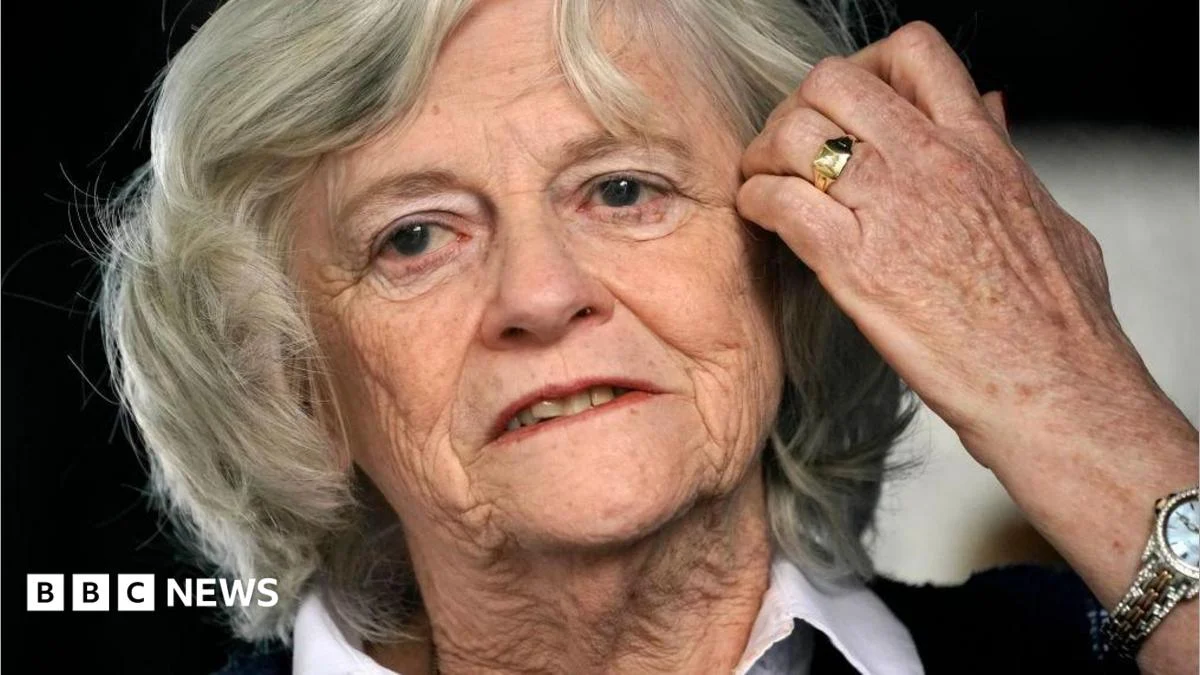
The circumstances surrounding the death of Ann Widdecombe, a prominent figure in British politics, remain under intense scrutiny as judicial proceedings commence, with a formal inquest having opened but immediately adjourned due to ongoing criminal charges, including a rare intersection of murder and suspected terrorism-related offences. At the heart of the matter lies the initial finding from a post-mortem examination, which, despite its thoroughness, has not yet yielded a definitive medical cause of death for the 78-year-old former parliamentarian and European representative, adding a layer of complexity to an already high-stakes investigation. This multifaceted legal and investigative landscape underscores the gravity and public interest inherent in the case, demanding meticulous adherence to due process while the full narrative unfolds.
The initial hearing of the inquest, convened at Exeter Coroner’s Court, formally established the basic parameters of the inquiry. Senior Coroner Philip Spinney, presiding over the jurisdiction of Devon, Plymouth, and Torbay, confirmed that Ms. Widdecombe was discovered deceased at her residence in Devon on July 9th. The court was informed of "visible injuries" present on her person, a detail that immediately elevated the case from a natural death inquiry to one necessitating a comprehensive criminal investigation. While a post-mortem examination was promptly conducted as standard procedure in such circumstances, the coroner explicitly stated that "at this stage the precise medical cause of death has yet to be established." This declaration is not uncommon in complex cases, where further forensic analysis, including toxicology, histology, and neuropathology, may be required to reach a conclusive determination. The absence of an immediate medical cause, however, does not impede the progression of a criminal investigation if other evidence points towards foul play.
In a significant development, the judicial spotlight has shifted towards Joshua Kerry, a 28-year-old individual from Rotherham in South Yorkshire, who has been formally charged with the murder of Ann Widdecombe. Mr. Kerry’s appearance at Westminster Magistrates’ Court marked a pivotal moment in the legal process, indicating that prosecutors believe there is sufficient evidence to proceed with a serious criminal indictment. The concurrent criminal proceedings are the primary reason for the inquest’s immediate adjournment, a standard legal practice designed to prevent any potential prejudice to a forthcoming trial. Coroner Spinney articulated this necessity, confirming the inquest would remain adjourned "until the conclusion of the criminal proceedings," ensuring that the criminal justice system can run its course without interference from the inquest’s findings. This procedural pause highlights the legal hierarchy, where the criminal investigation takes precedence when a death is suspected to be unlawful.
Details surrounding the discovery of Ms. Widdecombe’s body paint a picture of initial concern escalating into tragedy. The court heard that she was found unresponsive at her home by an employee who had conducted a welfare check. This proactive step was taken after Ms. Widdecombe had become "uncontactable," raising alarms among those close to her. The timing of this discovery, followed by the immediate summoning of emergency services, underscores the urgency of the situation. Despite their rapid response, Ms. Widdecombe was pronounced dead at 12:20 BST on Thursday, July 9th. The detail of an employee conducting a welfare check suggests a level of care and routine interaction, making her sudden unresponsiveness all the more alarming and leading directly to the tragic discovery.
The trajectory of the investigation into Ms. Widdecombe’s death has been particularly intricate due to the evolving nature of the charges against the suspect. Joshua Kerry was initially apprehended on suspicion of murder two days after the former Conservative minister and spokesperson for Reform UK was found with severe injuries at her residence in Haytor, Devon. However, the complexity deepened significantly when Mr. Kerry was subsequently re-arrested on suspicion of "the commission, preparation or instigation of acts of terrorism." This dual-track investigation, involving both a homicide inquiry and counter-terrorism elements, elevates the case to one of national security concern. The leadership of this ongoing investigation by Counter Terrorism Policing South East, with robust support from Devon and Cornwall Police, underscores the serious nature of the allegations and the potential implications beyond a singular criminal act.
The involvement of Counter Terrorism Policing South East in a case initially classified as a murder investigation is highly unusual and warrants significant analytical consideration. Typically, local police forces handle murder inquiries, with specialist units brought in for specific forensic or investigative support. The re-arrest on terrorism-related charges, however, fundamentally shifts the investigative paradigm. This suggests that during the initial murder inquiry, evidence emerged that pointed towards a broader, ideologically motivated intent or connection to extremist activities. Such evidence could range from digital footprints, discovered materials at a property, associations, or specific statements made by the suspect. The "commission, preparation or instigation of acts of terrorism" charge is a broad legal provision under the Terrorism Act, encompassing a wide array of activities from planning and training to actively encouraging others to commit terrorist acts. Its application in conjunction with a murder charge implies a potential nexus between the individual’s alleged actions and a wider extremist agenda, rather than a purely personal or spontaneous act of violence. This intersection presents profound legal and investigative challenges, requiring a coordinated approach that balances the requirements of a murder prosecution with the imperatives of national security.
From a legal and procedural standpoint, the adjournment of the inquest is a critical component of ensuring judicial fairness. An inquest’s purpose is to ascertain the identity of the deceased, the place and time of death, and "how" the death occurred – meaning the medical cause and circumstances. It is not designed to apportion blame or determine criminal guilt, which is the sole purview of a criminal court. If an inquest were to proceed concurrently with a murder trial, there is a risk that its findings, or the evidence presented within it, could inadvertently prejudice the criminal proceedings, either by influencing potential jurors or by revealing aspects of the prosecution’s case prematurely. By adjourning, the legal system prioritizes the criminal trial, allowing it to conclude and determine culpability. Once the criminal trial, and any subsequent appeals, have reached their final resolution, the inquest can then resume to formally record the findings, which will often incorporate the outcomes of the criminal process. This structured approach maintains the integrity of both legal mechanisms.
The protracted nature of investigations involving both murder and terrorism elements is also noteworthy. Such cases often involve extensive digital forensics, intelligence gathering, and international liaison, depending on the scope of the alleged terrorist activities. The forensic examination of the scene and Ms. Widdecombe’s body would have been particularly meticulous given the "visible injuries" and the subsequent terrorism link. Pathologists, in their pursuit of the medical cause of death, consider not only immediate trauma but also any underlying health conditions, the presence of toxins, and the sequence of events leading to death. The initial inability to establish a precise medical cause of death, despite the post-mortem, could indicate a need for further specialized tests, or it could suggest that the visible injuries, while present, may not be the sole or definitive cause, necessitating a broader investigative scope.
Ann Widdecombe herself was a figure of considerable public recognition, having served as a Conservative Member of Parliament for Maidstone from 1987 to 2010, holding various ministerial positions, including Minister of State for Prisons. Post-parliament, she continued to be a public voice, famously participating in reality television and later serving as a Member of the European Parliament for the Brexit Party and subsequently as a spokesperson for Reform UK. Her robust and often outspoken views ensured her continued presence in the public consciousness. The tragic and enigmatic circumstances of her death, therefore, resonate beyond the immediate locality, drawing national attention and concern. The confluence of her public profile with the serious nature of the charges and the counter-terrorism dimension amplifies the case’s significance, making it a matter of profound public and analytical interest.
Looking ahead, the legal path for Joshua Kerry will involve a committal hearing, where the case will be transferred from the Magistrates’ Court to the Crown Court, the jurisdiction for serious indictable offences such as murder and terrorism. The prosecution will then present its full case, and a trial by jury will eventually take place. The complexity of the charges suggests that this will be a lengthy and intricate process, demanding extensive legal and forensic resources. The outcome of the criminal proceedings will be crucial in not only determining guilt but also in providing clarity on the motivations behind this tragic event, especially concerning the terrorism allegations. Until then, the full narrative surrounding Ann Widdecombe’s untimely death, particularly its precise medical cause and the complete context of the alleged criminal acts, remains officially unestablished, held in abeyance by the rigorous demands of the British justice system. The resolution of this complex case will undoubtedly have far-reaching implications, both legally and in terms of public understanding of the threats posed by individuals with extremist leanings.




 Aura Kasih
 Safa Marwah
 Ayu Aulia