Aura Kasih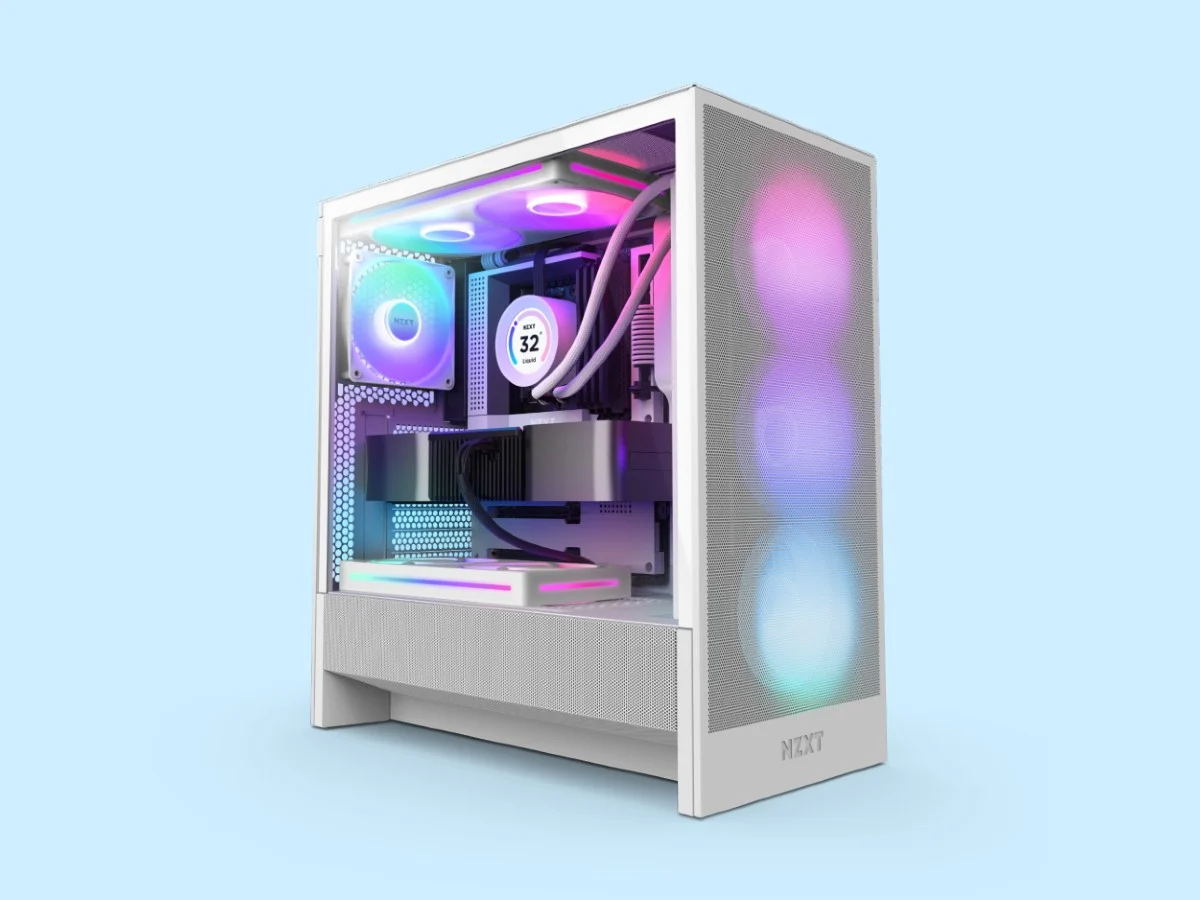
Computer hardware manufacturer NZXT, along with its partner Fragile Inc., has agreed to a substantial $3.45 million settlement to resolve a class-action lawsuit that alleged deceptive practices and fraudulent marketing surrounding their Flex PC rental service. This significant legal resolution stems from accusations that the companies engaged in a deliberate scheme to mislead consumers, impacting thousands of customers through a program that was presented as a flexible alternative to traditional PC ownership.
The class-action lawsuit, filed as a civil Racketeer Influenced and Corrupt Organizations (RICO) case, specifically targeted the Flex program for its purported use of deceptive marketing tactics and aggressive debt collection methods. Court documents indicate that the suit encompassed claims from 19,322 customers who felt they were defrauded by the service. The preliminary settlement, officially lodged with a California District Court on April 7th, marks a critical step towards concluding this complex legal dispute, averting a potential jury trial.
At the heart of the controversy lies NZXT’s Flex PC rental program, which was marketed as a "flexible alternative to buying or financing" a gaming PC, with advertised monthly rates commencing at $69. However, the lawsuit and extensive investigative reporting, notably from Gamers Nexus, alleged that the program operated on a foundation of misleading information. Critics contended that the Flex service employed "bait-and-switch" tactics, misrepresenting both the specifications of the PCs offered and the ultimate cost to consumers. These allegations suggest that the program’s true nature, particularly regarding the potential for ownership and the long-term financial commitment, was obscured.
The fallout from these allegations has been significant, prompting a thorough legal examination of NZXT and Fragile’s business practices. The proposed settlement outlines a multi-faceted approach to remediation for affected customers. A key component of the agreement is the commitment from NZXT to explicitly disclose that Flex is not a "rent-to-own program." This clarification directly addresses one of the central grievances, where influencer promotions and marketing materials were perceived as alluding to a path towards eventual ownership, a notion now officially debunked by the settlement terms.
For customers currently facing aggressive debt collection efforts related to the Flex program, the settlement offers substantial relief. Up to $5,000 in debt forgiveness is earmarked for individuals who are more than 90 days delinquent on their payments. This provision is designed to provide immediate financial reprieve to those most burdened by the program’s alleged predatory collection tactics. This debt relief is anticipated to be distributed automatically to qualifying users once the settlement receives final judicial approval, projected for September.
Furthermore, the settlement allocates a significant pool of $1.2 million to reward customers who demonstrated long-term commitment to the Flex program. Individuals who have been subscribed to the service for two years or more are slated to receive full ownership of the PCs they have been renting. This provision acknowledges the sustained financial investment of these customers and aims to compensate them for their prolonged engagement with a service that is now under intense scrutiny.
The settlement also extends benefits to customers who have already returned their rented PCs and do not have outstanding debts. These individuals are eligible for a cash payment, with the exact amount to be determined by the total number of valid claims submitted. This inclusive approach aims to address a broader spectrum of customer experiences within the Flex program, ensuring that a wider group of impacted individuals can receive some form of compensation.

Eligibility for the settlement payout is broadly defined, encompassing Flex customers who subscribed to the service between October 19th, 2023, and March 30th, 2026. A dedicated claims portal is expected to become accessible around April 28th, providing a structured avenue for eligible individuals to submit their claims and receive their allocated relief. The resolution of this class-action lawsuit, if finalized as proposed, will effectively conclude the civil RICO case, precluding further legal proceedings and jury trials.
The implications of this settlement extend beyond the immediate financial resolutions for affected consumers. It serves as a potent reminder for companies operating in the burgeoning PC rental and subscription markets about the critical importance of transparent marketing and ethical business practices. The extensive coverage by investigative outlets like Gamers Nexus played a pivotal role in bringing these allegations to light and galvanizing the legal response. Their detailed reporting, which meticulously dissected the Flex program’s operational intricacies and customer complaints, provided crucial evidence that was subsequently leveraged in the lawsuit.
The concept of PC rental services, particularly for high-cost gaming hardware, presents a complex economic proposition. On one hand, it offers accessibility to cutting-edge technology for individuals who may not have the immediate capital for outright purchase or the creditworthiness for traditional financing. This can democratize access to gaming and creative pursuits. However, as the NZXT Flex case illustrates, the financial models employed by such services must be meticulously structured to avoid predatory outcomes. The line between a legitimate rental service and a financially exploitative scheme can be thin, and regulatory oversight, coupled with vigilant consumer advocacy, is essential to maintain that balance.
The settlement’s emphasis on clear disclosure regarding the non-rent-to-own nature of the program underscores a fundamental aspect of consumer protection: the right to accurate information. When marketing materials create ambiguity or imply benefits that do not exist, it erodes consumer trust and can lead to significant financial hardship. The alleged use of influencer marketing to subtly suggest ownership pathways highlights a modern challenge in consumer protection, where the lines between genuine endorsement and paid promotion can become blurred, potentially misleading vulnerable audiences.
Looking ahead, the PC hardware industry, and particularly the burgeoning subscription and rental markets, will undoubtedly scrutinize the lessons learned from the NZXT Flex case. Companies will likely re-evaluate their marketing strategies, legal review processes, and customer service protocols to ensure compliance and mitigate the risk of similar litigation. The substantial settlement amount serves as a clear financial deterrent against engaging in deceptive practices.
Moreover, this case may prompt a broader conversation about the regulation of technology-based subscription services. As more consumers opt for leasing or renting high-value electronics, clarity on consumer rights, contract terms, and recourse mechanisms becomes increasingly vital. The legal framework governing these emerging business models may need to adapt to adequately protect consumers from potential exploitation.
The role of independent media and investigative journalism in holding corporations accountable cannot be overstated. The thorough work undertaken by publications like Gamers Nexus, which delved deep into the operational details and customer experiences of the Flex program, provided the crucial groundwork for the legal action. This highlights the symbiotic relationship between investigative reporting and legal redress, where uncovering wrongdoing is the first step towards achieving justice for affected parties.
In conclusion, the $3.45 million settlement reached by NZXT and Fragile represents a significant legal and financial outcome in the ongoing scrutiny of PC rental services. It underscores the imperative for companies to operate with utmost transparency and ethical integrity, particularly when dealing with substantial consumer investments. The resolution offers tangible relief to thousands of customers and serves as a cautionary tale for the broader technology industry, emphasizing the enduring importance of consumer trust and the legal ramifications of its erosion. The finalization of this settlement in September will mark the definitive end of this chapter, but the broader implications for the future of tech rental services and consumer protection are likely to resonate for years to come.




 Lisa Mariana
 Safa Marwah
 Ayu Aulia