Aura Kasih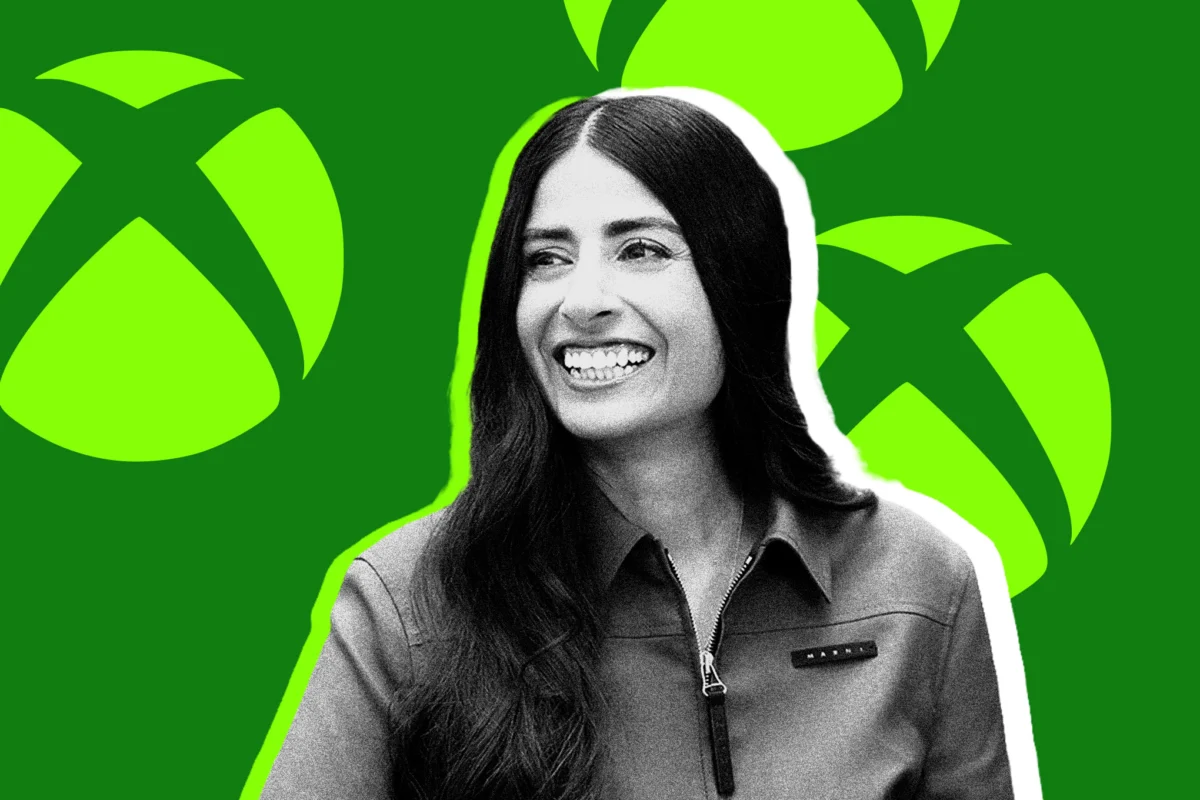
A seismic shift appears to be on the horizon for Microsoft’s highly influential Xbox Game Pass subscription service, as the newly appointed head of Xbox gaming, Asha Sharma, has candidly acknowledged in a leaked internal memorandum that the current pricing structure has become unsustainable for players. This admission signals a critical juncture for the platform, prompting a strategic re-evaluation aimed at recalibrating the "value equation" to ensure continued subscriber engagement and market relevance.
For years, Xbox Game Pass has been lauded as a cornerstone of Microsoft’s gaming strategy, offering a vast library of titles, including day-one releases from Xbox Game Studios, at a fixed monthly price. This "Netflix for games" model revolutionized how consumers accessed and consumed digital entertainment, driving significant adoption and setting a benchmark for the industry. However, the recent price adjustments, most notably the substantial 50% increase to Xbox Game Pass Ultimate last year, culminating in a $29.99 monthly fee, have evidently strained the perceived value proposition for a segment of its user base. Sharma’s direct statement, "Game Pass has become too expensive for players," is a stark acknowledgement of this feedback, indicating that the premium pricing, while potentially justifiable through added content and features, has crossed a threshold of affordability for many.
The internal communication further elaborates on the immediate and long-term implications of this pricing dilemma. Sharma’s assertion that "the current model isn’t the final one" strongly suggests that radical changes are not only being considered but are actively in development. The "short term" focus on addressing the immediate cost barrier implies a potential for price adjustments or a re-bundling of services to offer more accessible tiers. The "long term" vision points towards a more "flexible system," a concept that could encompass a spectrum of possibilities, from tiered subscription levels catering to different budgets and content preferences, to a more dynamic pricing model influenced by content availability or usage patterns. The protracted timeline indicated for testing and learning suggests that any significant overhaul will be a meticulously planned and executed endeavor, aiming to avoid the pitfalls of hasty implementation.
A significant factor contributing to the perceived inflation of Game Pass’s cost, and a subject of considerable industry speculation, is the integration of the Call of Duty franchise into the service. Microsoft’s strategic acquisition of Activision Blizzard, a move designed to bolster its content library and competitive standing, led to the inclusion of this flagship franchise within Game Pass in the summer of 2024. This decision, however, was not without internal debate, as early reports indicated concerns within Microsoft regarding the potential cannibalization of traditional Call of Duty sales revenue. The high stakes associated with the Call of Duty brand, a perennial top-seller, mean its inclusion represents a substantial investment and a significant shift in revenue generation strategy for Microsoft. The current pricing structure likely reflects the immense cost of subsidizing such a high-profile franchise within the subscription.
The precariousness of this strategy has been further amplified by recent industry whispers. Prominent sources within the gaming press have suggested that Microsoft might be contemplating the removal of Call of Duty from Game Pass, a move that, if enacted, could expose the underlying vulnerabilities in the current Game Pass model. Such a decision would undoubtedly raise questions about the long-term sustainability of offering premium, non-exclusive content within a subscription service, particularly when the financial models for both individual sales and subscription access are in direct competition. The potential fallout from such a withdrawal could erode subscriber confidence and highlight the challenges of balancing the allure of blockbuster titles with the economic realities of maintaining a cost-effective subscription service.

Sharma’s acknowledgment of "online chatter" surrounding Game Pass pricing trends underscores Microsoft’s awareness of public perception and market sentiment. The promise to "go deeper" with Xbox employees in the coming week suggests a commitment to transparency and internal alignment as the company navigates these complex strategic decisions. While immediate price reductions are unlikely, the proactive stance taken by the new Xbox chief indicates a clear intention to address the burgeoning concerns regarding Game Pass’s affordability. This suggests that the company is entering a phase of intensive analysis and strategic recalibration, with the ultimate goal of redefining Game Pass to be both a compelling value proposition for consumers and a sustainable business model for Microsoft.
The implications of these internal discussions extend far beyond the immediate subscriber base. A fundamental restructuring of Game Pass could have ripple effects across the entire gaming ecosystem. For developers, it could mean a reassessment of how their titles are valued and integrated into subscription services. For competitors, it presents an opportunity to capitalize on any perceived instability or discontent within the Game Pass user community. The "value equation" is not merely a financial metric; it represents the perceived benefit a consumer receives for their monetary investment. As Sharma herself points out, Game Pass is central to Xbox’s gaming value. Therefore, any significant alteration to this equation will be closely scrutinized by players, industry analysts, and rival platform holders alike.
The future of Xbox Game Pass hinges on Microsoft’s ability to strike a delicate balance. It must continue to attract and retain a massive subscriber base by offering a compelling library of games and services, while simultaneously ensuring that the financial model underpinning this offering is robust and profitable. The "flexibility" Sharma envisions could manifest in numerous ways. Perhaps a tiered system with varying price points for access to different levels of content – for instance, a basic tier with older titles and indie games, a mid-tier with select new releases, and a premium tier that includes all day-one releases and potentially even early access or exclusive benefits. Alternatively, Microsoft could explore options such as dynamic pricing for certain high-demand titles or introduce a more robust digital storefront integrated with Game Pass, offering discounts on purchases for subscribers.
Furthermore, the inclusion of first-party titles has always been a major draw for Game Pass. The company’s commitment to bringing its own games to the service on launch day has been a significant differentiator. However, the financial pressure of subsidizing franchises like Call of Duty might necessitate a re-evaluation of this policy for certain high-budget, multi-platform releases. The long-term success of Game Pass will likely depend on Microsoft’s ability to innovate beyond simply offering a large catalog of games. This could involve expanding into new forms of content, such as cloud gaming enhancements, exclusive in-game content, or even integrated social and community features that deepen player engagement and justify the subscription cost.
The current moment represents a critical inflection point for Xbox Game Pass. The candid admission from its new leadership of the service’s escalating cost to consumers signals a willingness to confront difficult truths and embark on a necessary strategic evolution. The coming weeks and months will be crucial in observing how Microsoft translates these internal acknowledgements into tangible changes, aiming to redefine the "value equation" and ensure that Xbox Game Pass remains a dominant force in the digital gaming landscape. The industry will be watching closely to see if Microsoft can successfully navigate this complex challenge, delivering a Game Pass that is both financially viable and undeniably attractive to a broad spectrum of gamers. The path forward is fraught with potential pitfalls, but the acknowledgment of the problem is the first, and perhaps most significant, step towards a sustainable and successful future for this transformative gaming subscription service.



 Lisa Mariana
 Safa Marwah
 Ayu Aulia