Aura Kasih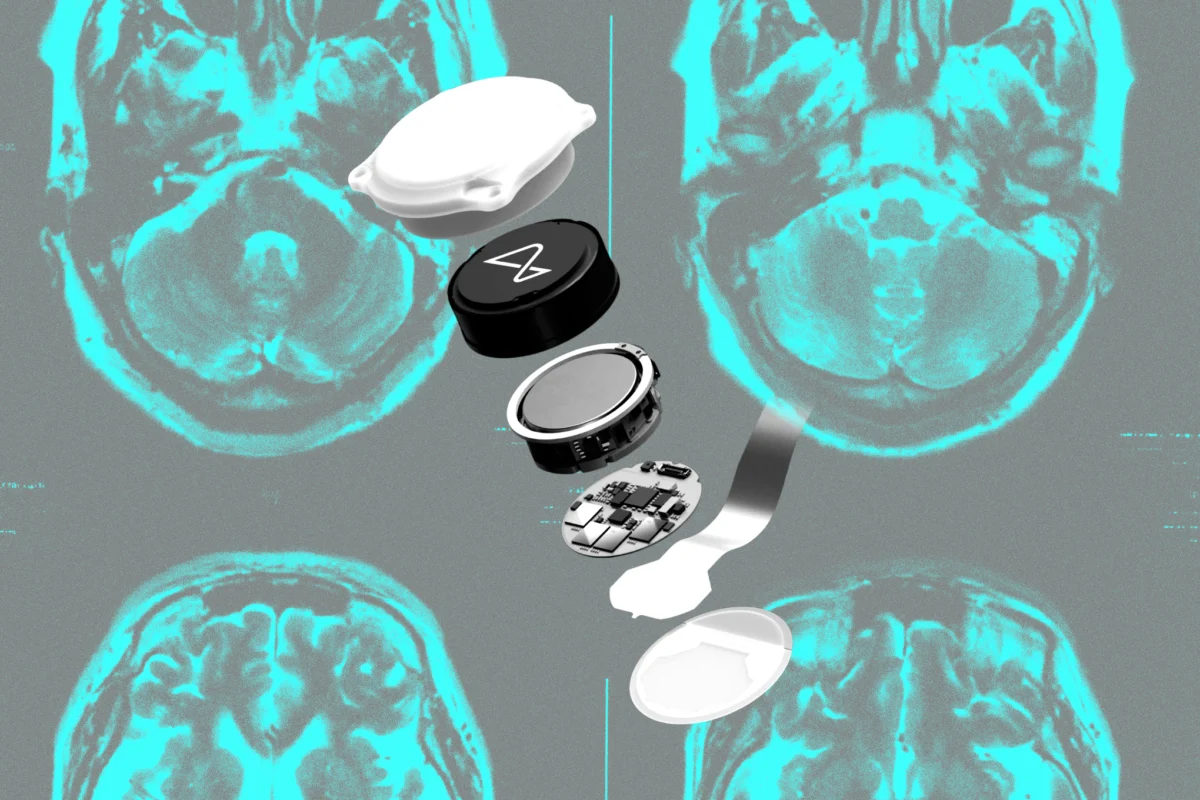
Elon Musk’s audacious vision for Neuralink, once centered on augmenting human capabilities and forging a symbiosis with artificial intelligence, appears to be undergoing a strategic recalibration. While the company’s initial focus on brain-to-cursor interfaces for motor restoration garnered significant attention, emerging trends and the rapid advancements of competitors suggest a potential miscalculation in its foundational bet, prompting a necessary pivot towards the more immediate and impactful realm of speech restoration.
The landscape of brain-computer interfaces (BCIs) is undergoing a profound transformation. For years, the pioneering efforts in this field, including those spearheaded by Neuralink, concentrated on enabling individuals with severe motor impairments to control external devices, such as computer cursors, through thought alone. This approach, while groundbreaking in its ambition to restore a degree of autonomy, has encountered significant hurdles in translating raw neural signals into fluid, naturalistic interaction. In parallel, a burgeoning area of BCI research has focused on decoding the neural signals associated with speech production, achieving remarkable progress in translating thoughts directly into spoken words. This divergence in efficacy and immediate patient benefit raises critical questions about Neuralink’s strategic direction and whether its initial wager on motor control has positioned it to capitalize on the most promising avenues for BCI advancement.
The Nuances of Neural Decoding: Motor Control vs. Speech Synthesis
At its core, a brain-computer interface operates by deciphering the electrical impulses generated by neurons. These signals, minute as they are, represent the brain’s intricate communication network. The critical distinction between various BCI applications lies not in the fundamental technology of neural signal acquisition, but in the specific neural activity being interpreted and the intended output.
Motor BCIs, like those historically emphasized by Neuralink, aim to translate intentions of movement into commands for external devices. This involves detecting signals associated with the desire to move a limb, and then mapping those signals to cursor displacement or robotic arm actuation. While this has shown promise for individuals with paralysis, the process of translating thought into precise, real-time physical action is complex and often results in a slower, less intuitive user experience.
Speech BCIs, on the other hand, target the neural pathways involved in vocalization. When an individual intends to speak, the brain generates a complex pattern of signals that ultimately control the muscles of the mouth, tongue, and vocal cords. Speech BCIs aim to decode these patterns and synthesize them into audible language. This approach has witnessed an accelerated pace of development. In a remarkably short period, speech BCIs have evolved from rudimentary systems capable of recognizing a limited vocabulary to sophisticated interfaces that can generate coherent sentences with high accuracy. The ability to directly translate the intent to communicate into spoken words offers a profound improvement in quality of life for individuals who have lost the ability to speak due to conditions such as amyotrophic lateral sclerosis (ALS), stroke, or other neurological disorders.
The underlying neuroscience for both motor and speech BCIs shares common ground. Both systems rely on detecting the brain’s motor commands. The difference lies in the target: whether the brain is attempting to move a finger or form a word. The neural signals associated with articulating speech are inherently rich and nuanced, allowing for a more direct translation into a highly desired output – communication.
A Strategic Pivot: Embracing the Speech Frontier
Neuralink’s recent actions suggest a strategic acknowledgment of the burgeoning success of speech BCIs. The company has initiated clinical trials specifically focused on speech restoration, a departure from its earlier emphasis on motor control. These trials utilize the same implantable hardware but are designed to decode the neural signals associated with speech intention, aiming to translate these thoughts into audible output. This strategic shift aligns Neuralink with the broader BCI community, which has increasingly prioritized speech restoration as a more immediate and impactful application of the technology.
This pivot is not merely a change in research focus; it signifies a potential reevaluation of Neuralink’s long-term commercial strategy. While the allure of human augmentation and a seamless integration with AI remains a stated objective, the immediate and demonstrable benefits of restoring communication for individuals with severe speech impairments present a more tangible and ethically compelling pathway to market. The company’s recruitment of patients for speech restoration trials, coupled with its stated ambition for "high-volume production" of its devices, indicates a move towards realizing the practical applications of its technology.
The Scientific Underpinnings: Decoding Intent for Action and Speech
The fundamental principle behind any BCI, including those developed by Neuralink and its competitors, is the ability to interpret neural activity. The brain communicates through electrochemical signals. BCIs aim to capture these signals, often through implanted electrodes, and then process them using sophisticated algorithms. The complexity arises in translating these raw neural patterns into meaningful actions or communication.
In the case of motor BCIs, the system learns to associate specific patterns of neural firing with the intention to move a particular body part, such as a cursor on a screen or a prosthetic limb. This requires extensive calibration and training, where the user repeatedly attempts to perform the desired action, and the BCI learns to recognize the corresponding neural signatures. The output is then a discrete command, such as moving a cursor to a specific location or initiating a grasp.
Speech BCIs operate on a similar principle but focus on the neural correlates of vocalization. When a person forms a word in their mind, the brain activates specific neural networks responsible for speech production. Speech BCIs aim to decode these complex neural patterns and translate them into phonemes, syllables, or even entire words. This process often involves mapping neural activity to the intended sounds of speech. The success of these systems relies on their ability to distinguish between subtle variations in neural firing that correspond to different linguistic units.
While both systems are technically forms of motor control – as speech itself is a complex motor act – the directness of translating thought into audible communication offers a distinct advantage in terms of immediate utility and emotional impact for individuals who have lost their voice. The ability to engage in spontaneous conversation, express needs, and maintain social connections can be profoundly life-altering.
The Uncharted Territory of Speech Restoration: A More Promising Horizon
The rapid advancement of speech BCIs has positioned them as a leading frontier in the field of neurotechnology. Studies have demonstrated remarkable progress in decoding the neural signals associated with intended speech, enabling individuals to communicate with increasing fluency and accuracy. This progress is not merely incremental; it represents a fundamental leap in the ability of BCIs to restore a critical human function.
For individuals who have lost the ability to speak, the impact of a functional speech BCI is immeasurable. It transcends mere communication; it is about reclaiming identity, fostering independence, and reconnecting with loved ones. The ability to express thoughts, emotions, and needs in real-time can fundamentally alter the experience of living with a debilitating condition.
The current trajectory suggests that speech BCIs may not only offer a more immediate path to market but also a more substantial impact on the lives of a significant patient population. While motor BCIs hold promise for restoring physical autonomy, the ability to communicate is often perceived as a more pressing and fundamental need for many individuals facing severe neurological challenges.
Expert Perspectives on the BCI Landscape
The strategic divergence in BCI development has prompted discussions among leading researchers and industry figures. Some experts argue that Neuralink’s initial focus on motor control was a pragmatic choice given the state of BCI research at the company’s inception. At that time, motor BCI technology had reached a level of maturity that suggested industrial application was feasible. The ability to control a cursor, while not as immediately impactful as speech, represented a tangible and demonstrable outcome of brain-computer interfacing.
However, others contend that prioritizing speech restoration from the outset would have been a more direct route to addressing a critical unmet medical need. The argument is that the potential for significant quality-of-life improvements through restored communication outweighs the benefits of cursor control, especially considering the inherent speed limitations of cursor-based interfaces.
The debate highlights a key challenge in the BCI field: balancing ambitious long-term goals with the immediate needs of patients. While the vision of human-AI symbiosis remains a compelling aspiration, the ethical imperative to alleviate suffering and restore fundamental human capabilities often takes precedence in the near term.
The Market Potential and the Reality of Commercialization
The commercial viability of any medical technology hinges on its ability to address a significant market need and demonstrate tangible value. For BCIs, the market is primarily defined by individuals with severe neurological impairments. While the number of individuals with conditions like ALS or spinal cord injury is substantial, the practicalities of clinical trial participation and the high cost of invasive BCI technology present significant barriers to widespread adoption.
The market for motor BCIs, while significant, faces challenges related to reimbursement and the availability of less invasive alternatives for certain patient populations. For individuals with mild to moderate motor deficits, non-invasive rehabilitation techniques or peripheral nerve stimulation may offer more accessible and cost-effective solutions.
Speech BCIs, conversely, may tap into a broader market due to the universal need for communication. The ability to restore speech for individuals with a wide range of neurological conditions, including stroke, could significantly expand the patient pool and, consequently, the commercial opportunity. Furthermore, the established precedent of FDA-approved speech-generating devices and alternative communication systems may provide a clearer pathway for insurance reimbursement for speech BCIs.
The path to commercialization for BCI technology is fraught with challenges. Regulatory hurdles, the need for extensive clinical trials, and the significant investment required for manufacturing and distribution all contribute to the lengthy and complex process. Companies that have focused on motor BCIs have experienced delays in bringing their products to market, underscoring the difficulties in navigating these obstacles.
Augmentation vs. Medical Assistance: The Philosophical Divide
A fundamental philosophical divide exists within the BCI industry, separating those focused on medical assistance from those pursuing human augmentation. Neuralink, under Musk’s leadership, has consistently articulated a vision of augmentation – enhancing human capabilities to achieve a "symbiosis with artificial intelligence." This ambition, while futuristic, presents a significant scientific and ethical challenge.
The concept of augmentation implies surpassing existing human limitations, potentially through direct neural interfaces that enable faster information processing or enhanced cognitive abilities. However, the biological constraints of the human brain and nervous system pose fundamental limits to such ambitions. Evolution has optimized the flow of information within the body, and attempts to drastically accelerate this process may be met with physiological barriers.
Conversely, the focus on medical assistance centers on restoring lost function and improving the quality of life for individuals with disabilities. This approach, exemplified by the advancements in speech BCIs, addresses immediate and critical needs. The ethical imperative to alleviate suffering and empower individuals with disabilities often drives innovation in this domain.
The Future Outlook: A Blended Approach?
While Neuralink’s initial bet on motor BCIs may have been a strategic misstep in terms of immediate market impact and competitive advantage, the company’s pivot towards speech restoration signals a pragmatic adaptation to the evolving BCI landscape. The field is rapidly advancing, and the potential for BCIs to transform the lives of individuals with communication impairments is immense.
The future of BCI technology will likely involve a diverse array of applications, catering to different patient needs and technological advancements. Speech BCIs will undoubtedly play a crucial role in restoring communication, while motor BCIs will continue to evolve, offering solutions for restoring physical autonomy. The ultimate success of any BCI company will depend on its ability to navigate the complex regulatory, commercial, and ethical landscapes, while consistently delivering tangible benefits to patients. Whether Neuralink can successfully pivot and reclaim its position at the forefront of this transformative field remains to be seen, but its recent strategic adjustments suggest a growing understanding of the immediate priorities and most promising avenues for BCI innovation.



 Lisa Mariana
 Safa Marwah
 Ayu Aulia