Lisa Mariana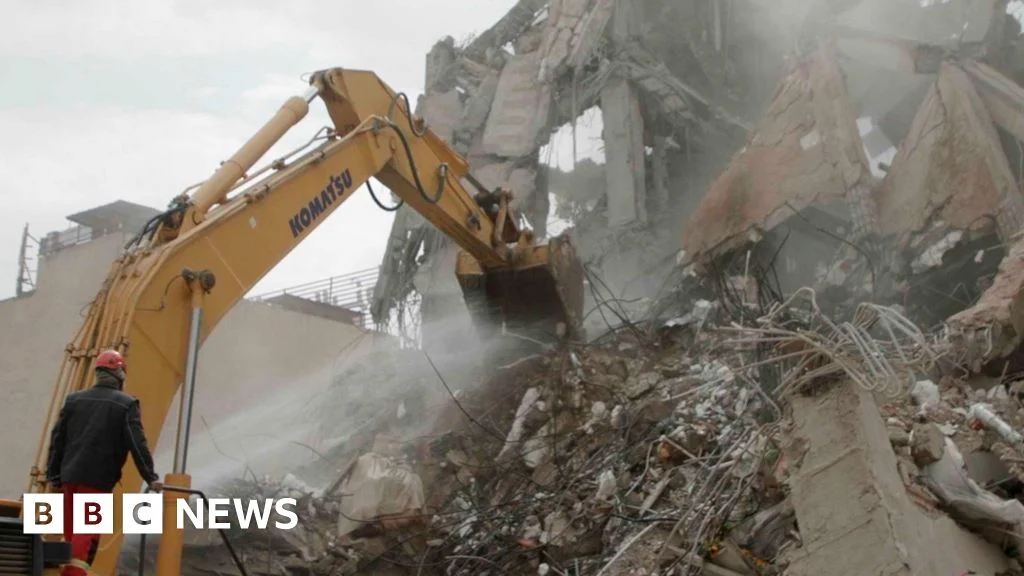
The protracted conflict between Iran and the combined forces of the United States and Israel has reached a critical juncture, with military operations increasingly impacting urban centers and exacting a devastating toll on civilian populations across Iran, particularly within its sprawling capital, Tehran. For over a month, a strategic campaign targeting Iranian state-linked assets has unfolded, yet an independent forensic examination of these strikes reveals an alarming pattern of collateral damage, trapping ordinary citizens between aerial bombardment and the repressive grip of their own government.
This new phase of hostilities transcends traditional battlefields, extending into the very fabric of daily life in Tehran. While the stated objective of US and Israeli forces is to degrade the Iranian regime’s infrastructure, the geographical embedding of these targets within densely populated residential areas has led to an undeniable surge in civilian casualties and displacement. A meticulous investigation, drawing upon exclusive on-the-ground footage, corroborated eyewitness testimonies, in-depth social media analysis, and high-resolution satellite imagery, has uncovered a disturbing reality: precision strikes are often resulting in widespread destruction, devastating homes, and shattering lives. This analysis provides a rare window into a conflict zone largely inaccessible to international media, exposing the profound human cost of a war fought in the heart of a major metropolis.
One particularly harrowing incident unfolded on March 9 in Resalat, a residential district in eastern Tehran. The aftermath saw a mother’s desperate pleas echo through the debris-strewn streets, her voice hoarse from days spent waiting for rescue teams to extricate her daughter from the flattened remains of their apartment building. "They lack the resources to retrieve her," the distraught woman reportedly stated, adding, "My daughter is beneath the rubble… she is terrified of darkness." Tragically, both the mother and daughter were later confirmed among the deceased, their lives extinguished in an instant. The husband, by a cruel twist of fate, survived.
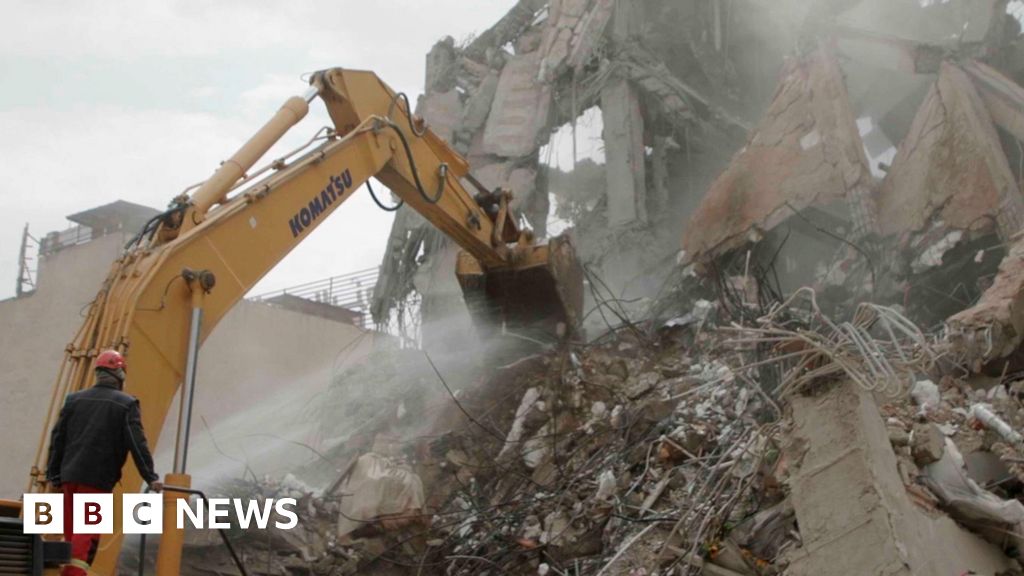
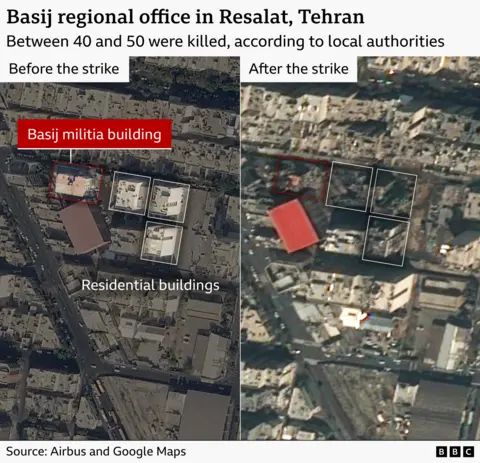
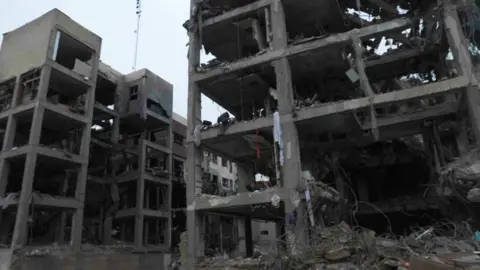
The Resalat strike, attributed to Israeli forces, officially targeted a building associated with the Basij, a paramilitary wing of Iran’s Revolutionary Guard Corps (IRGC). However, the scope of destruction far exceeded the immediate vicinity of the alleged military objective. Satellite imagery captured post-strike graphically illustrates the obliteration of at least four structures. While one was indeed identified as the Basij facility, the surrounding buildings were unequivocally residential. Eyewitness accounts from survivors describe a cascade of explosions occurring within seconds of each other, suggesting a sustained and powerful assault. One 55-year-old survivor recounted being "thrown across the room" by the sudden impact, losing all his possessions, including vital documents, to the inferno. Local authorities and residents estimate the death toll from this single event to be between 40 and 50 individuals, with countless others rendered homeless and forced into temporary shelters.
Ordnance specialists consulted for this investigation suggest that the scale and spatial spread of the damage observed in Resalat are consistent with the deployment of high-yield munitions, specifically the Mark 84 bomb. This 2,000lb general-purpose bomb, the largest in its series, is often equipped with advanced precision guidance systems. However, its immense destructive power makes its use in urban settings profoundly problematic. Independent forensic analysis indicates that structures up to 65 meters from the primary impact point suffered severe damage, underscoring the broad destructive radius of such weaponry. The United Nations and various international humanitarian organizations have long cautioned against the use of powerful explosive weapons in densely populated areas due to the inherent risk to civilian lives and infrastructure.
Experts in international humanitarian law (IHL) have voiced serious concerns regarding the proportionality of such strikes. The principles of distinction and proportionality are cornerstones of IHL, demanding that combatants differentiate between military objectives and civilian objects, and that the anticipated military advantage of an attack not be outweighed by the expected civilian harm. The deployment of a Mark 84 bomb in a residential district, leading to the destruction of multiple civilian buildings and significant loss of life, raises substantial questions about adherence to these principles and could potentially constitute a violation of international law. The presence of unexploded ordnance matching the characteristics of Mark 80 series bombs has reportedly been documented within Tehran, further substantiating these technical assessments.
The incident in Resalat is not an isolated occurrence. The broader conflict has seen a dramatic increase in the frequency and intensity of strikes across Iran. US Central Command has reported striking over 9,000 targets nationwide, while the Israel Defense Forces (IDF) have claimed responsibility for over 12,000 bombs dropped across Iran, with approximately 3,600 specifically targeting Tehran. These operations frequently target facilities such as police stations, Basij militia buildings, police headquarters, military and police universities, IRGC safe houses, and various checkpoints or suspected ammunition depots. The critical issue remains the pervasive integration of these state-linked facilities within the civilian urban landscape.
A second significant incident on March 1 exemplifies this challenge. An Israeli strike hit the Abbasabad police station near Niloufar Square, a bustling area where families had gathered to break their Ramadan fast. Eyewitnesses described a "terrifying light" followed by multiple, rapid explosions, plunging the festive atmosphere into chaos. "We immediately ran into the street," one man recalled, "A man and a woman who had just exited a shop… they were hit instantly." Residents reported that the area was struck twice within minutes, leaving no time for civilians to seek shelter or evacuate. The IDF confirmed the attack, stating it targeted a "military objective." Yet, forensic analysis of the blast zone, mirroring the findings in Resalat, indicates that the damage extended significantly beyond the confines of the police station, affecting surrounding civilian areas.
Under international humanitarian law, all parties to an armed conflict are obligated to exercise constant care to spare civilian populations and objects. This includes taking all feasible precautions in the choice of means and methods of attack to avoid, or at least minimize, incidental loss of civilian life, injury to civilians, and damage to civilian objects. Furthermore, IHL requires parties to avoid, as far as feasible, locating military objectives within or near densely populated areas. The pattern of strikes within Tehran suggests that either military objectives are deliberately embedded within civilian zones, or the targeting methodology fails to adequately mitigate civilian harm, or both.
The Human Rights Activists News Agency (HRANA), a US-based monitoring organization, has reported a staggering human toll, estimating that 1,464 civilians, including at least 217 children, have been killed across Iran during the first month of the conflict. These figures, while difficult to independently verify in a closed information environment, underscore the devastating impact on the non-combatant population. Residents interviewed for this investigation expressed a growing resentment, even among those who had previously been critical of the Iranian regime. The indiscriminate nature of the collateral damage risks alienating the very populace whose discontent might otherwise serve as a pressure point against the ruling establishment.
Criticism extends to the Iranian authorities’ perceived inadequate response to the escalating crisis. Residents widely report a conspicuous absence of fundamental safety provisions. There is a notable lack of publicly accessible shelters, organized evacuation support, or readily available temporary accommodation for those displaced by the strikes. Several individuals stated they had received no governmental guidance on how to protect themselves or where to seek refuge during attacks. "There are no sirens, no warnings," one resident lamented, "You just hear the explosion." Compounding this vulnerability is an ongoing internet blackout, severely limiting access to information and hampering communication channels essential for civilian safety. This information vacuum fosters an environment of pervasive fear and uncertainty, with citizens left to navigate the unpredictable landscape of war without clear directives. The Iranian government has not publicly detailed any nationwide civil defense protocols in response to these aerial bombardments.
The stated rationale behind the US and Israeli operations is to target the foundational infrastructure of the Iranian state. However, in a metropolitan area like Tehran, where this infrastructure is inextricably intertwined with residential blocks, commercial enterprises, and educational institutions, the consequences extend far beyond the intended military objectives. The operational reality on the ground demonstrates that the lines between military and civilian targets have become dangerously blurred.
As the conflict intensifies, the implications for Tehran’s civilian population are dire. The continued use of heavy munitions in densely populated urban environments not only risks escalating the humanitarian crisis but also generates a profound and lasting psychological toll. For those enduring the daily threat of bombardment, the pressure is measured in irrevocably lost homes, shattered families, and a deepening conviction that within their own city, no place is truly secure. This escalating urban warfare presents a critical challenge to international legal frameworks and humanitarian principles, demanding rigorous scrutiny and a renewed focus on civilian protection in the face of a rapidly evolving geopolitical landscape. The long-term stability of the region and the welfare of millions hang precariously in the balance as this conflict continues to unfold, with ordinary Iranians bearing the overwhelming brunt of its destructive force.



 Aura Kasih
 Safa Marwah
 Ayu Aulia