Aura Kasih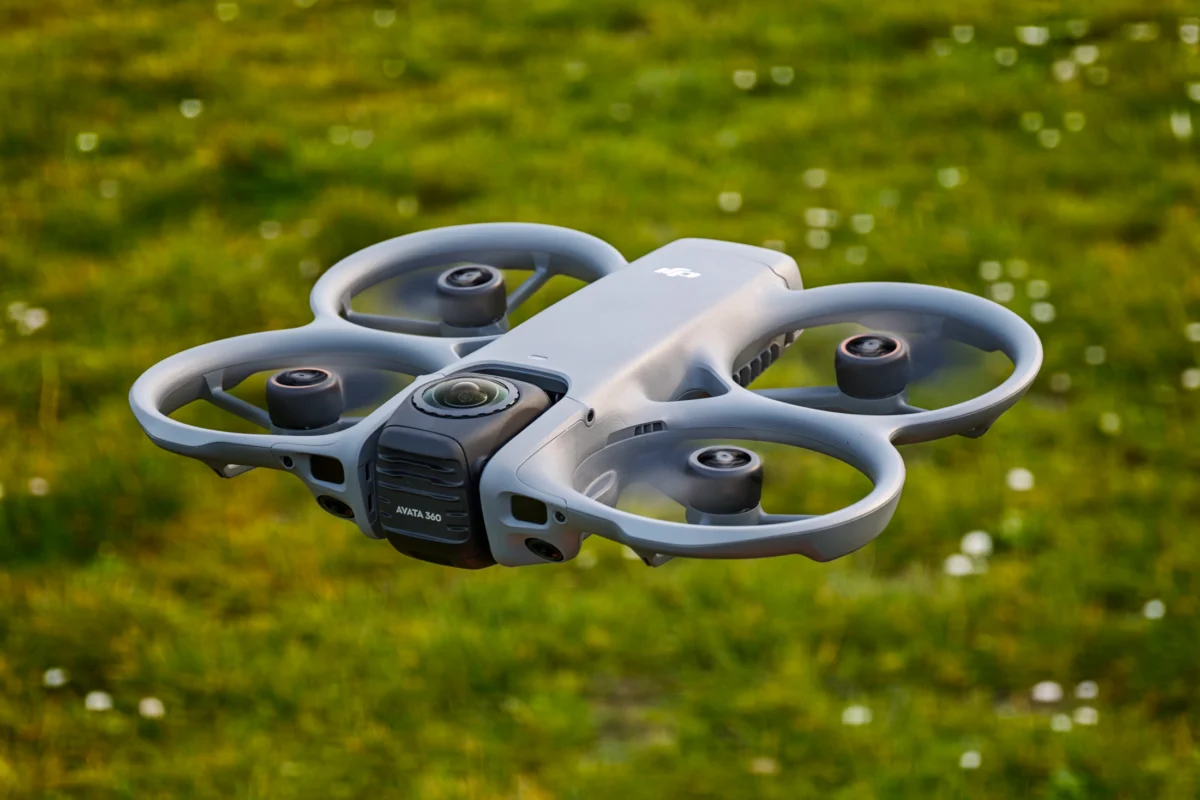
DJI, a dominant force in the drone industry, has introduced its Avata 360, a novel aerial platform designed to capture immersive 360-degree content. This release arrives at a particularly complex juncture for the company, marked by both competitive innovation and evolving regulatory landscapes. While the Avata 360 enters a market segment recently pioneered by Antigravity’s A1, its feature set and DJI’s strategic positioning suggest a strong contender for global consumers. However, for those within the United States, the accessibility of this and future DJI drones is significantly complicated by recent regulatory actions, casting a shadow over the brand’s domestic market presence.

The emergence of the Avata 360 represents a significant development in the niche of consumer-grade 360-degree aerial videography. Historically, capturing immersive spherical content has required either specialized ground-based camera rigs or high-end, professional cinematic drones, often with complex post-production workflows. The promise of a more accessible, integrated solution has long been a goal for drone manufacturers and content creators alike. DJI’s entry into this arena with the Avata 360 signals a maturation of the technology, aiming to democratize the creation of truly encompassing visual experiences.
Antigravity’s A1, launched prior to the Avata 360, established the foundational concept of a purpose-built 360-degree drone. This innovation opened the door for a new category of aerial content capture, emphasizing ease of use and the potential for post-production reframing. The A1’s initial market entry highlighted the demand for such a product, demonstrating that consumers and creators were eager for solutions that could capture more than a conventional field of view. However, as a product from an emerging player, it likely faced challenges in terms of scale, global distribution, and integration with established ecosystems.

DJI’s approach with the Avata 360 appears to be a direct response to the nascent competition, aiming to leverage its extensive experience in drone design, manufacturing, and software integration. The company’s strategy seems to be one of refinement and expansion of the 360-degree drone concept, offering a product that is not only a dedicated 360-degree camera but also a versatile FPV (First-Person View) platform. This dual-functionality is a key differentiator, allowing users to switch between immersive spherical capture and traditional FPV flight modes, catering to a broader spectrum of aerial cinematography needs.
The pricing strategy of the Avata 360 also positions it as a compelling alternative. With a starting price significantly lower than its primary competitor, DJI is making a strong statement about accessibility and value. While initial bundles for the Antigravity A1 included premium accessories like goggles and motion controllers, the Avata 360 offers a more modular approach, allowing users to select components based on their specific requirements and budget. This flexibility in purchasing, combined with the lower entry price for the drone itself, could prove to be a decisive factor for many potential buyers. Even when opting for more comprehensive bundles, such as the Motion Fly More Combo, which includes advanced goggles and controllers, the Avata 360 remains competitively priced, particularly when considering the overall technological integration and brand reputation.

The inclusion of advanced control options further enhances the Avata 360’s appeal. Compatibility with DJI’s ecosystem of goggles, motion controllers, and traditional dual-stick controllers provides users with a spectrum of piloting experiences. For newcomers, the intuitive motion control system, reminiscent of simplified FPV experiences, allows for effortless flight and content capture, where the focus is on the overall scene rather than precise camera angles. This "fix-it-in-post" approach to aerial videography, facilitated by the spherical capture capabilities, lowers the barrier to entry for creating dynamic and engaging footage. For experienced pilots, the option to switch to a dual-stick controller and engage traditional FPV flight modes opens up possibilities for more nuanced aerial maneuvers and precise camera control, further solidifying the drone’s versatility.
A notable advancement in the Avata 360’s design is the user-replaceable lens system. This feature addresses a common concern with specialized camera drones: the fragility of integrated optics and the often-prohibitive cost and complexity of repairs. By enabling users to easily swap out damaged lenses, DJI significantly enhances the drone’s longevity and reduces the overall cost of ownership. This commitment to repairability is a positive development and may signal a broader trend towards more user-serviceable designs in future DJI products. The simple, tool-assisted replacement process underscores DJI’s intent to make the Avata 360 a practical and sustainable tool for creators.

The operational performance of the Avata 360 also appears to surpass its immediate competitor. While both drones offer similar quoted flight times, the Avata 360 boasts a greater maximum flight range and a higher top speed. These enhancements contribute to a more responsive and capable flight experience, allowing the drone to navigate more challenging conditions and capture footage from a wider range of perspectives. The integrated propeller guards, a standard feature on the Avata 360, also contribute to its durability, offering a degree of protection against accidental impacts, which is particularly beneficial in FPV flight scenarios.
Video quality is another area where the Avata 360 asserts its dominance. With larger camera sensors and wider aperture lenses, it is capable of capturing 8K resolution footage at a smoother 60 frames per second. This contrasts with the Antigravity A1, which caps out at 30fps for its 8K recording, requiring a drop to 5.2K for higher frame rates. The ability to capture more detailed and fluid video at higher resolutions is crucial for professional applications and for users who demand the highest fidelity in their immersive content.

However, the narrative surrounding the Avata 360’s availability is heavily influenced by geopolitical and regulatory factors, particularly within the United States. The U.S. Federal Communications Commission (FCC) has taken steps that effectively ban future DJI drone sales within the country. This ruling, driven by national security concerns, means that while the Avata 360 may have secured FCC clearance, signaling its technical compliance, DJI will not be officially distributing it through its own channels in the U.S. This situation creates a peculiar market dynamic where U.S. consumers interested in this advanced 360-degree drone will likely need to rely on third-party importers.
This regulatory hurdle is a significant consideration for the future of DJI’s presence in the U.S. drone market. While existing DJI drones may remain legal to operate, the inability for the company to directly sell new models creates a substantial barrier to entry for consumers. The Avata 360, therefore, may become a case study in how drone enthusiasts in the U.S. navigate restricted markets, potentially relying on grey market imports and parallel distribution channels. This scenario not only impacts DJI’s sales but also raises questions about consumer support, warranty services, and firmware updates for drones purchased through unofficial channels.

The broader implications of these regulatory actions extend beyond DJI. They signal a potential shift in the global drone market, where national security concerns are increasingly influencing trade policies and technology adoption. As other countries may consider similar measures, the landscape for drone manufacturers could become fragmented, requiring companies to adapt their global strategies and potentially localize their production or distribution networks. For consumers, this could lead to a reduced choice of advanced drone technology and potentially higher prices due to increased import costs and limited competition.
The software experience, while generally a strong suit for DJI, presents a mixed picture with the Avata 360, particularly on the Android platform. Issues such as the app’s unavailability on the Google Play Store, inconsistent orientation handling, and instances of freezing on specific devices highlight areas where DJI could improve its software integration. In contrast, the Antigravity A1’s application, despite being for a single-product company, is noted for its relative polish. This serves as a reminder that a comprehensive hardware-software ecosystem is crucial for user satisfaction, and any shortcomings in this area can detract from an otherwise impressive product.

Despite these software caveats, the Avata 360’s overall package—its advanced imaging capabilities, versatile flight modes, competitive pricing, and user-centric design features like replaceable lenses—positions it as a formidable offering in the global market. For consumers outside the United States, the choice between the Avata 360 and its competitors appears clear, with DJI’s drone presenting a more compelling blend of functionality, flexibility, and value. The question of whether Antigravity can maintain a competitive edge, particularly in software and user experience, remains to be seen.
In conclusion, the DJI Avata 360 represents a significant advancement in accessible 360-degree aerial content creation. It refines the concept introduced by earlier players and integrates it into a versatile FPV platform, backed by DJI’s robust ecosystem and a competitive pricing strategy. However, its future in the U.S. market is uncertain due to regulatory restrictions, which may relegate it to unofficial import channels. For the rest of the world, the Avata 360 stands as a testament to DJI’s ability to innovate and adapt, offering a compelling solution for capturing the world in immersive detail, provided users can navigate the evolving global drone landscape. The long-term impact of these regulatory shifts on the industry and consumer access to cutting-edge drone technology will be a critical development to monitor.




 Lisa Mariana
 Safa Marwah
 Ayu Aulia