Lisa Mariana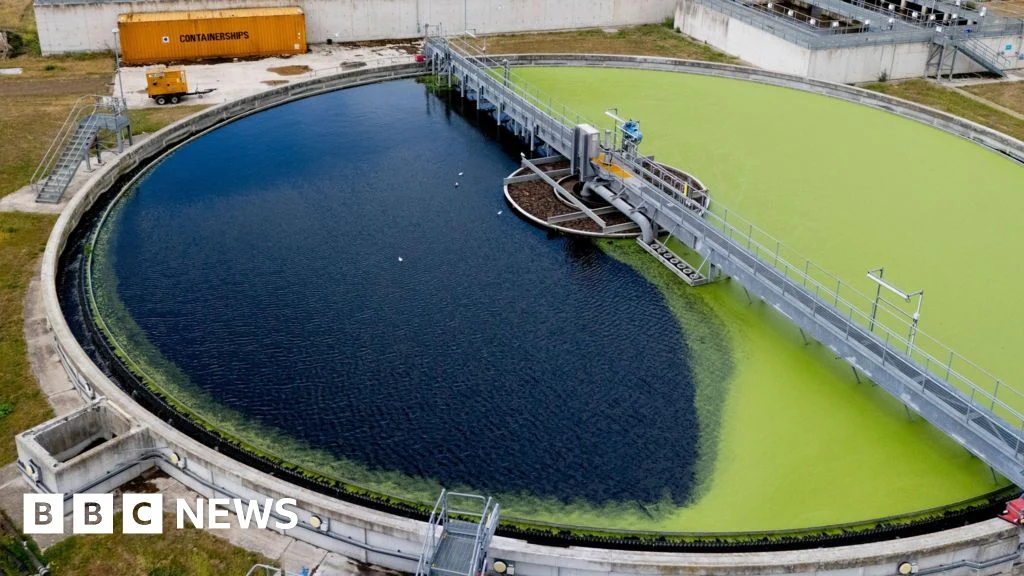
The volume of untreated wastewater discharges into England’s aquatic ecosystems saw a significant reduction in the past year, with total spillage duration decreasing by nearly half; however, this notable decline is primarily attributable to a period of unusually dry weather rather than systemic infrastructure enhancements, prompting varied responses from environmental advocates and the water industry.
Recent data released by the Environment Agency indicates that water utility companies in England released raw sewage into rivers and coastal waters for approximately 1.9 million hours in the preceding year. This figure represents a substantial 48% decrease from the 3.6 million hours recorded in the previous reporting period, marking a seemingly positive shift in the persistent challenge of water pollution. While the headline statistic offers a glimmer of improvement, regulatory bodies and independent analyses swiftly tempered expectations, emphasizing that meteorological conditions were the predominant factor influencing this outcome. The year witnessed a 24% reduction in overall rainfall, including one of the driest early periods on record, which inherently reduced the frequency and intensity of storm overflow activations – the primary mechanism for these discharges.
England’s water infrastructure largely relies on a combined sewer system, a legacy design where domestic and industrial wastewater co-mingles with rainwater runoff. During periods of heavy precipitation, these systems are designed with ‘storm overflows’ that act as pressure relief valves, preventing sewage from backing up into homes and streets by discharging excess mixed effluent directly into natural watercourses. Consequently, a drier year naturally translates to fewer instances where these overflows are triggered, leading to a statistical reduction in spill hours, irrespective of underlying system capacity or upgrades.
This nuanced interpretation of the data has fueled a robust debate among stakeholders. Environmental organizations, long-standing critics of the water industry’s performance, have cautioned against interpreting these figures as evidence of genuine, structural progress. James Wallace, CEO of the charity River Action, articulated this sentiment, stating that "After one of the driest summers in decades, lower spill numbers were inevitable, not evidence of real change." Such groups argue that the fundamental issues of underinvestment, inadequate regulatory enforcement, and a perceived prioritization of profit over environmental stewardship continue to plague the sector. They contend that without significant, verifiable upgrades to the sewage network, any improvements linked solely to weather patterns are temporary and do not address the systemic vulnerabilities.
Conversely, Water UK, the representative body for the water industry, has asserted that the observed reduction, while influenced by weather, also reflects the nascent impact of substantial investment initiatives. They maintain that the sector is actively engaged in a comprehensive program to modernize and expand its infrastructure, including targeted improvements to storm overflows. This commitment is underpinned by a broader, multi-year investment plan, which saw Ofwat, the industry regulator, approve a £104 billion funding package in 2024. This unprecedented capital injection, financed in part by increases in consumer water bills, is earmarked for critical upgrades across England and Wales over the next five years. Water UK highlighted the efforts of specific companies, such as United Utilities, which reportedly upgraded over 400 storm overflows within its operational area in the past year, as tangible evidence of this ongoing investment.
However, the challenge of precisely quantifying the individual contributions of drier weather versus infrastructure improvements remains complex. Disentangling these factors requires sophisticated hydrological modeling and detailed operational data that accounts for rainfall intensity, duration, and localized system responses. The Environment Agency acknowledges this complexity, underscoring the necessity for "sustained investment to bring lasting improvements" and emphasizing that statistical fluctuations due to weather should not overshadow the urgent need for fundamental change.
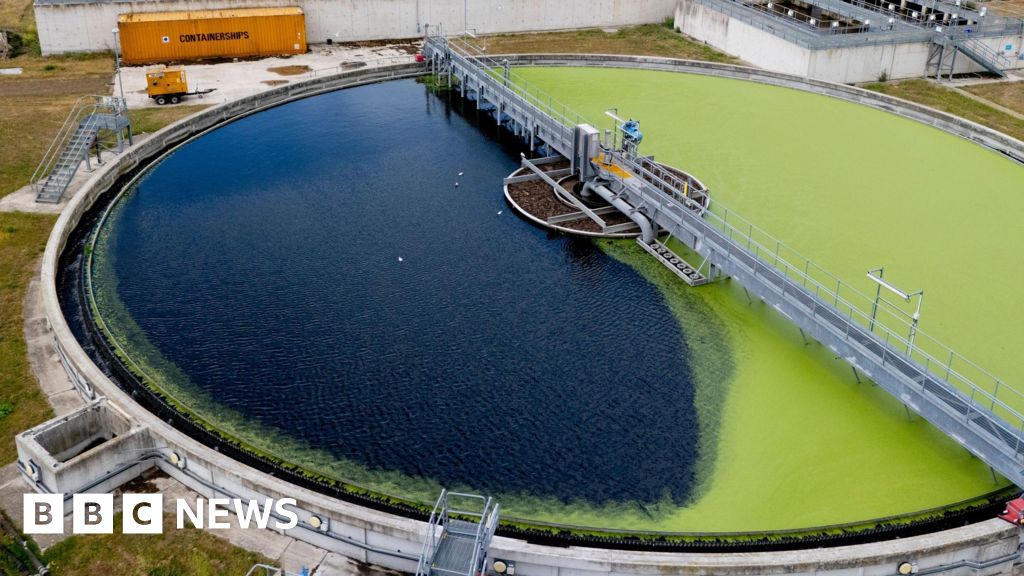
The profound implications of sewage pollution extend far beyond mere statistics, encompassing severe environmental degradation and significant public health risks. Untreated sewage introduces a cocktail of harmful substances into aquatic environments, including pathogenic bacteria, viruses, parasites, and a range of chemical pollutants such as pharmaceuticals, microplastics, and heavy metals. This influx of organic matter drastically increases nutrient levels, leading to eutrophication – a process that triggers rapid algal blooms. These blooms deplete dissolved oxygen as they decompose, creating anoxic conditions that suffocate fish and other aquatic organisms, devastating local ecosystems and diminishing biodiversity. The long-term ecological consequences can be severe, altering food webs, destroying habitats, and undermining the resilience of freshwater and marine environments.
From a public health perspective, the risks are equally alarming. In 2024, a report co-authored by leading scientists, including Professor Chris Whitty, England’s Chief Medical Officer, explicitly warned that sewage discharges into waterways pose a direct threat to public safety. Exposure to contaminated water through recreational activities like swimming, kayaking, or paddleboarding can lead to a variety of gastrointestinal illnesses, skin infections, and respiratory problems. Vulnerable populations, including children and individuals with compromised immune systems, are particularly at risk. The presence of antibiotic-resistant bacteria in sewage further exacerbates public health concerns, potentially contributing to the global challenge of antimicrobial resistance.
The historical context of England’s sewage network is crucial to understanding the current predicament. Many parts of the system date back to the Victorian era, designed for a much smaller population and under different climatic conditions. Over the past century, rapid urbanization, population growth, and the increasing impermeability of urban landscapes have placed immense strain on this aging infrastructure. Compounding this is the accelerating impact of climate change, which is projected to bring more extreme weather events – not just prolonged droughts but also more intense and localized rainfall events. These flash floods can overwhelm even upgraded systems, highlighting the dynamic and evolving nature of the challenge.
Government ministers have echoed the sentiment that while any reduction in spills is welcome, the current situation remains unacceptable. Water Minister Emma Hardy acknowledged the decrease but stressed that "there is still an unacceptable amount of sewage entering our waterways and a long way to go in cleaning up our rivers, lakes and seas." This recognition underscores the political pressure on water companies to accelerate their investment programs and demonstrate tangible, sustainable improvements that are independent of annual rainfall variations. The government’s environmental targets and regulatory frameworks are increasingly stringent, aiming to significantly reduce storm overflow discharges by 2050, with interim targets along the way.
Looking ahead, the path to comprehensively addressing England’s sewage crisis involves a multi-faceted approach. This includes not only the massive capital investment in upgrading and expanding conventional "grey" infrastructure – such as larger pipes, increased treatment capacity, and advanced storage solutions – but also a greater emphasis on "green" infrastructure. Sustainable drainage systems (SuDS) like permeable paving, rain gardens, and green roofs can help manage surface water runoff closer to its source, reducing the volume of rainwater entering combined sewers and thereby alleviating pressure on storm overflows. Furthermore, continuous, transparent monitoring and reporting of spill data are critical to holding water companies accountable and providing the public with accurate information about water quality.
The interplay between meteorological conditions, infrastructure investment, regulatory oversight, and public pressure will continue to shape the trajectory of sewage pollution in England. While the recent data offers a statistical respite, it serves as a stark reminder that true progress will only be achieved through sustained, strategic action that fundamentally transforms the nation’s wastewater management systems, ensuring the long-term health of its vital aquatic environments and the well-being of its citizens, irrespective of annual weather patterns. The journey towards truly clean rivers and seas remains a formidable, yet essential, national endeavor.



 Aura Kasih
 Safa Marwah
 Ayu Aulia