Lisa Mariana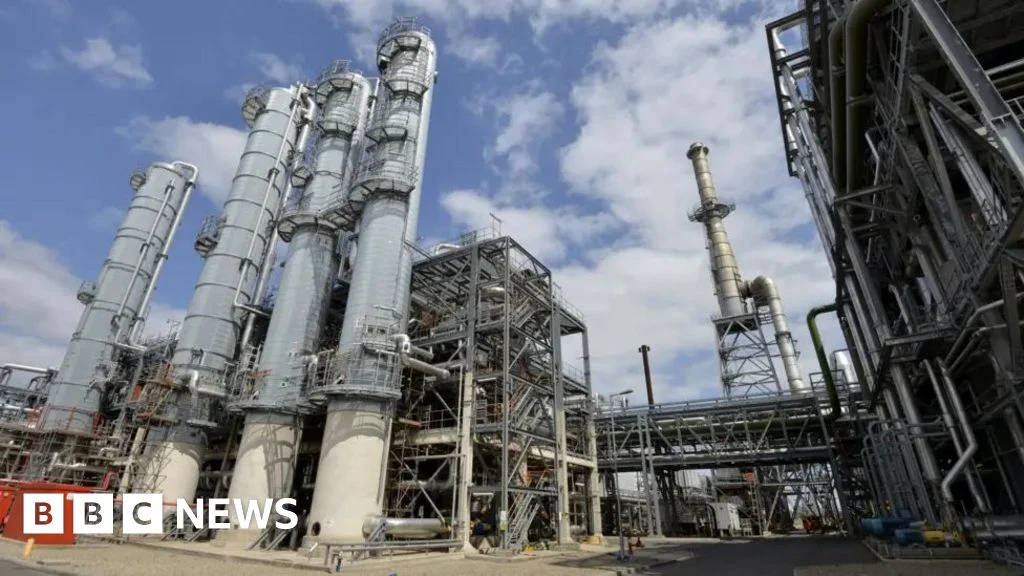
The British government is poised to commit a substantial investment of £100 million towards reactivating a key carbon dioxide production facility in Teesside, a strategic move designed to fortify domestic supply chains against potential disruptions emanating from the escalating geopolitical conflict in the Middle East, particularly involving Iran. This critical decision underscores a proactive governmental approach to safeguarding essential industrial inputs, following recent military engagements involving the United States and Israel that have significantly exacerbated instability in the Persian Gulf and impacted global energy markets. The Ensus plant, a bioethanol production site previously idled due to shifts in trade policy, is now central to the nation’s contingency planning, highlighting the intricate interdependencies between international relations, energy security, and industrial resilience.
The recent military actions initiated by the United States and Israel against targets in Iran on February 28th have plunged the Middle East into a new phase of heightened volatility, sending immediate ripples across global commodity markets. Central to these concerns is the Strait of Hormuz, a narrow yet profoundly strategic maritime chokepoint through which approximately one-fifth of the world’s total oil and liquefied natural gas (LNG) supplies transit daily. Tehran’s subsequent response, effectively impeding commercial navigation through this vital waterway, has triggered a sharp upward trajectory in global oil and gas prices. This dramatic escalation has ignited fears of widespread energy supply dislocations, compelling nations worldwide to re-evaluate the robustness of their critical supply chains and implement preemptive measures to mitigate potential economic fallout. For the United Kingdom, a nation heavily reliant on imported energy and intricate industrial networks, the imperative to secure vital domestic inputs, such as carbon dioxide, has become paramount.
Carbon dioxide (CO2), often perceived primarily as an environmental concern, is an indispensable industrial gas with a surprisingly broad array of applications that underpin numerous sectors of the modern economy. Its utility extends far beyond its more commonly recognized role in carbonated beverages. In the agri-food sector, CO2 is crucial for humane stunning of livestock prior to slaughter, a practice vital for animal welfare and efficient meat processing. It is also extensively employed in modified atmosphere packaging (MAP) to extend the shelf-life of fresh produce, meats, and baked goods, thereby reducing food waste and ensuring food security. Beyond food, CO2 is integral to refrigeration systems, a solvent in various industrial processes, a component in fire suppression systems, and critical for certain medical applications and water treatment. The pervasive nature of CO2 means that any significant disruption to its supply chain can trigger cascading failures across multiple industries, leading to empty supermarket shelves, operational halts, and potentially severe economic repercussions. The UK has experienced these vulnerabilities firsthand, enduring significant CO2 supply crises in both 2021 and 2022. These earlier episodes, driven primarily by surging wholesale natural gas prices that rendered CO2-producing fertilizer plants economically unviable, exposed the fragility of the nation’s industrial gas infrastructure and underscored the urgent need for enhanced resilience.
In response to the current geopolitical exigencies, the Department for Business is anticipated to officially declare on Thursday its intention to infuse £100 million into the Ensus facility located in Teesside. This substantial financial commitment is earmarked for the express purpose of reactivating the plant’s operations, which were suspended last year. The Ensus plant, a significant producer of bioethanol, generates substantial quantities of CO2 as a valuable byproduct of its fermentation process. Its previous mothballing, a decision driven by market dynamics rather than operational incapacity, makes it a prime candidate for rapid reactivation in a national emergency. The government’s decision represents a critical pivot in industrial policy, moving from a purely market-driven approach to one that prioritizes strategic national interests and supply chain security in times of international crisis. This investment is not merely about restarting a plant; it is about fortifying a vital component of the UK’s industrial base and demonstrating a commitment to proactive risk management in a turbulent global environment.
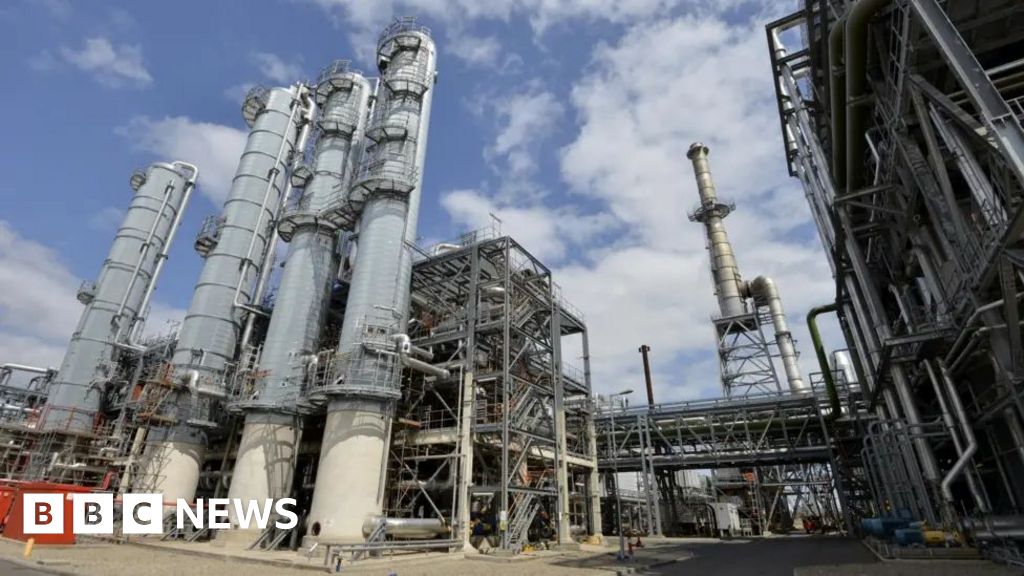
The backstory of the Ensus plant’s closure provides crucial context for its current strategic re-evaluation. The facility, along with Vivergo Fuels (owned by Associated British Foods), ceased operations following a trade agreement struck between the UK government and the United States in May of the previous year. This landmark deal effectively eliminated a 19% tariff on US ethanol imports, up to an annual quota of 1.4 billion litres – a volume roughly equivalent to the entire UK market’s consumption at the time. While intended to foster international trade and potentially lower consumer costs, this policy shift inadvertently rendered domestic bioethanol production, and consequently its byproduct CO2, economically uncompetitive within the UK. The removal of tariffs created an uneven playing field, making it more cost-effective to import ethanol from the US, thereby diminishing the demand and profitability for homegrown producers like Ensus. This highlights a classic dilemma in economic policy: the pursuit of free trade can sometimes have unforeseen consequences for domestic industries and, by extension, for the resilience of critical supply chains. The decision to mothball Ensus was a direct commercial response to these altered market conditions, demonstrating how global trade agreements can profoundly influence national industrial capacity.
The government’s current intervention, therefore, represents a significant reversal of policy, driven by an urgent reassessment of national priorities in the face of geopolitical instability. The initial trade deal prioritized market liberalization and potential cost savings, whereas the current £100 million investment prioritizes national security and the uninterrupted supply of a critical industrial gas. This shift underscores a broader understanding that certain industrial capabilities, even if not immediately competitive on a purely commercial basis, possess strategic value that transcends simple economic metrics. The rising cost of energy, particularly natural gas, has also had a disproportionate impact on European fertilizer companies, which are traditionally major producers of industrial CO2 as a byproduct of ammonia synthesis. The financial strain on these energy-intensive operations has led to reduced output and, in some cases, temporary closures, further exacerbating the continent’s CO2 supply vulnerabilities. This interconnectedness – where energy prices, trade policy, and geopolitical events converge to impact seemingly disparate industrial sectors – illustrates the complex web of modern supply chains. The decision to reactivate Ensus is thus a multi-faceted response to both the immediate threat of Middle East instability and the underlying fragilities exposed by recent energy market volatility.
This strategic re-engagement with domestic CO2 production also carries broader implications for the UK’s industrial policy and its commitment to national resilience. The substantial government outlay signals a potential recalibration of priorities, where the strategic importance of certain industries may now outweigh purely free-market considerations. It suggests a growing recognition that "just-in-time" supply chains, while efficient in stable times, can be dangerously fragile during periods of geopolitical upheaval. This could set a precedent for future interventions in other critical sectors, prompting a re-evaluation of which domestic capabilities are essential for national security and economic stability, regardless of their immediate commercial competitiveness. For the food and drink industry, this move offers a lifeline, potentially averting another costly and disruptive CO2 shortage that could lead to widespread product unavailability and significant financial losses. The £100 million investment is not merely a subsidy; it is an insurance premium against a much larger potential economic disruption.
From an environmental perspective, the decision to reactivate a bioethanol plant, even if it produces CO2 as a byproduct, warrants careful consideration within the context of the UK’s ambitious net-zero targets. While bioethanol is often lauded as a more sustainable fuel source than traditional fossil fuels, its production still involves energy consumption and associated emissions. The CO2 captured from such processes is a valuable industrial input, but the overall carbon footprint of the plant’s operation must be continually assessed. This situation highlights the inherent tension between immediate industrial needs, national security imperatives, and long-term environmental goals. Future strategies for CO2 supply resilience will likely need to explore more diverse and sustainable sources, including advanced carbon capture technologies from various industrial emitters, direct air capture, and enhanced CO2 recycling initiatives. The current crisis, while necessitating a rapid short-term solution, should also serve as a catalyst for accelerating research and investment into truly sustainable and resilient CO2 supply chains.
In conclusion, the United Kingdom’s decision to invest £100 million in reopening the Ensus CO2 production facility in Teesside represents a decisive and strategic response to a rapidly deteriorating global security landscape. This move transcends a simple economic calculation, embodying a recognition of the critical interdependencies between geopolitical stability, energy security, and the uninterrupted functioning of vital domestic industries. It reflects hard-won lessons from past CO2 crises and underscores a governmental commitment to bolstering national resilience in the face of unpredictable international events. While addressing an immediate and pressing vulnerability, this intervention also prompts broader questions about the future direction of UK industrial policy, the balance between free trade and strategic autonomy, and the sustainable pathways for securing essential industrial inputs in an increasingly volatile world. The reactivation of the Ensus plant is more than a commercial decision; it is a clear signal of the UK’s determination to safeguard its critical infrastructure and ensure the continuity of its economy amidst the evolving challenges of the 21st century.



 Aura Kasih
 Safa Marwah
 Ayu Aulia