Lisa Mariana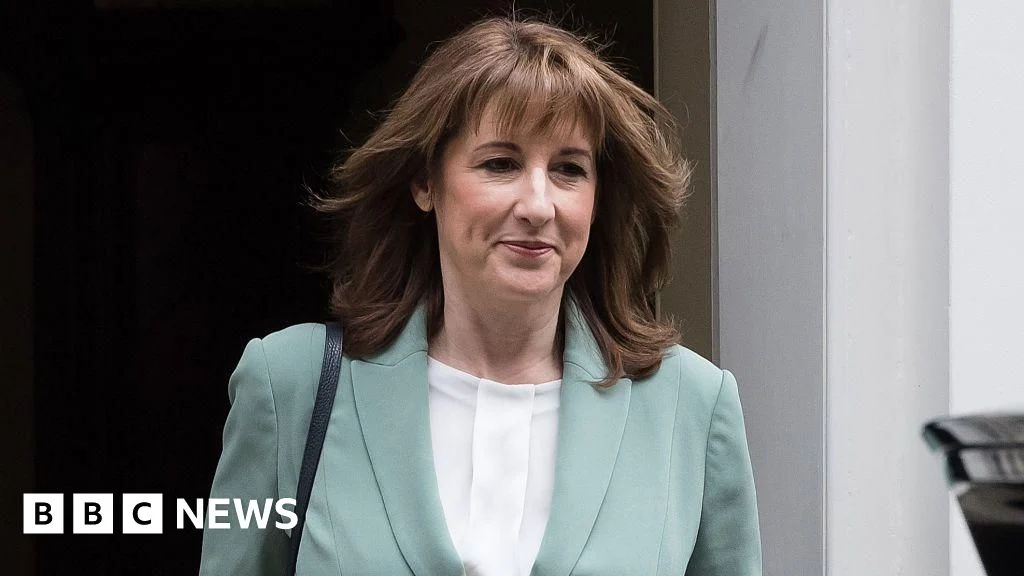
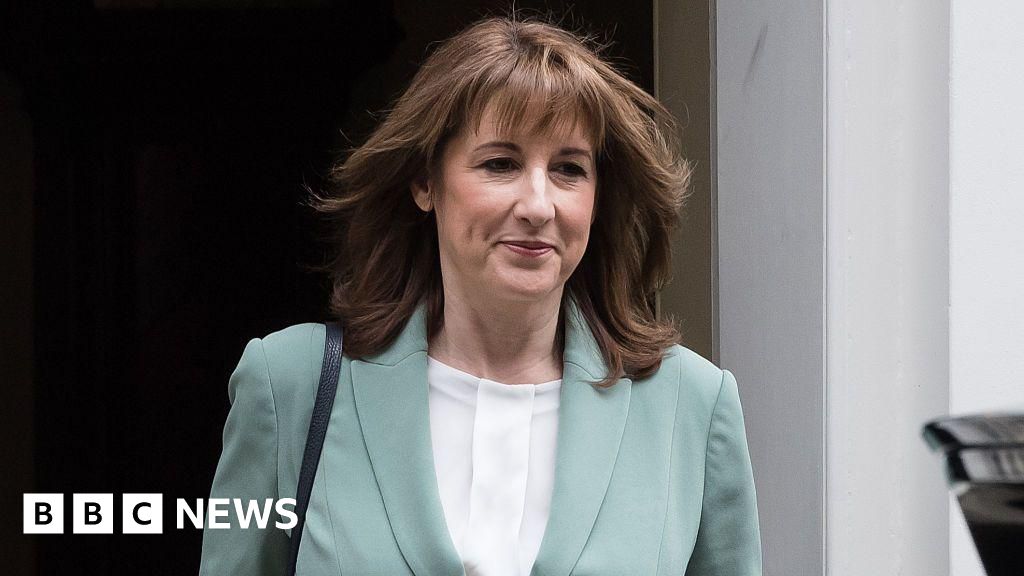
The United Kingdom’s fiscal authorities are actively developing contingency plans to mitigate the economic fallout from intensifying geopolitical tensions, particularly focusing on potential spikes in household energy expenditures. Chancellor Rachel Reeves has articulated a commitment to safeguarding the most vulnerable segments of the population should global energy markets experience significant disruption. This proactive stance underscores a strategic shift towards more targeted financial assistance, moving away from the universal support mechanisms deployed during previous crises, reflecting a nuanced approach to fiscal responsibility amidst inflationary pressures and stringent borrowing directives. The ongoing conflict in the Middle East, specifically the US-Israel war with Iran, has introduced considerable uncertainty into international energy supply chains, prompting urgent governmental consideration of protective measures for domestic consumers.
The Geopolitical Catalyst and its Economic Ramifications
The current surge in global commodity prices, particularly crude oil and natural gas, is directly attributable to the escalating conflict in the Middle East. For nearly a month, this protracted confrontation has significantly impacted a critical artery of global energy trade: the Strait of Hormuz. This vital maritime choke point, through which approximately one-fifth of the world’s oil and liquefied natural gas (LNG) transits, has experienced effective blockage and heightened security risks. The resulting disruption to transit and increased uncertainty regarding future supply stability have driven wholesale energy prices skyward. Industry analysts and economists are closely monitoring these developments, anticipating that these elevated wholesale costs will inevitably translate into higher retail energy bills for consumers across the UK, particularly as existing price caps adjust. The full extent of this conflict’s economic reverberations throughout the global economy, and specifically its impact on the United Kingdom, remains a subject of intensive analysis and ongoing uncertainty for policymakers.
Domestic Economic Vulnerabilities and the Energy Price Landscape
In the immediate term, millions of households in England, Scotland, and Wales are poised to experience a temporary respite from high energy costs. The energy regulator Ofgem’s quarterly price cap update, effective from April, is projected to result in a decrease in average bills for a three-month period. However, this reprieve is widely anticipated to be short-lived. Projections suggest a substantial upward revision in gas and electricity costs over the summer months, reflecting the lagged impact of rising wholesale prices. This looming increase has intensified calls for government intervention, though conservative political factions have raised concerns regarding the fiscal capacity to provide widespread support. The inherent volatility of global energy markets, coupled with the UK’s reliance on international gas supplies, renders domestic energy prices highly susceptible to external shocks, presenting a persistent challenge for economic stability and household budgets.
Policy Framework and Fiscal Constraints
In response to these challenges, Chancellor Rachel Reeves has confirmed that comprehensive contingency planning is underway, designed to address "every eventuality" arising from the volatile geopolitical landscape. However, the scope and nature of any forthcoming financial aid package will be rigorously circumscribed by the government’s established borrowing rules. A primary objective guiding fiscal policy is the imperative to maintain inflation and interest rates "as low as possible" to preserve macroeconomic stability. This commitment imposes significant constraints on the Treasury’s ability to deploy large-scale, untargeted stimulus measures. The Chancellor’s pronouncements unequivocally signal a departure from previous broad-based support mechanisms, indicating that future assistance will not be universally applied across all households.
This strategic pivot reflects lessons learned from earlier interventions. For instance, the Energy Price Guarantee, implemented in 2022 following Russia’s full-scale invasion of Ukraine, provided universal relief. While effective in cushioning the immediate shock, Treasury analysis subsequently revealed that this universal approach disproportionately benefited the wealthiest households. Data indicated that the top 10% of households, typically the largest consumers of gas, received the most substantial financial support, averaging approximately £1,350. The current policy direction aims to rectify this by focusing resources where the need is most acute, thereby optimizing the impact of public funds and enhancing equity in distribution.
The Shift to Targeted Intervention
The emphasis on assisting "those who need it most" necessitates a robust and efficient mechanism for identifying eligible recipients. To this end, the government is collaborating closely with the Department for Work and Pensions (DWP). This partnership is crucial for developing and implementing a framework that can accurately identify and deliver support to vulnerable households, ensuring that aid reaches individuals and families most susceptible to the adverse effects of soaring energy costs. Such targeted interventions typically involve complex administrative processes, requiring precise data sharing and eligibility criteria to minimize errors of inclusion (support for those not truly in need) and exclusion (failure to support those who are). The success of this approach will hinge on the efficacy of these administrative mechanisms and the precision of the underlying data.
The move towards targeted support represents a deliberate policy choice, balancing the urgent need to protect vulnerable citizens with the broader imperative of fiscal prudence. While universal schemes offer simplicity and speed of deployment, their cost-effectiveness and equity are often questioned. Targeted programs, conversely, promise greater efficiency in resource allocation but demand sophisticated administrative infrastructure and robust eligibility verification processes. This transition marks a significant evolution in the government’s approach to managing economic shocks, prioritizing focused relief over blanket assistance.
Opposition Scrutiny and Economic Debates
The government’s economic strategy and its capacity to address these impending challenges have come under sharp criticism from the opposition. Shadow Chancellor Sir Mel Stride has voiced significant concerns, accusing the current administration of leaving the UK economy "in tatters." He asserted that the nation is experiencing a period of increasing impoverishment and economic fragility. Addressing the Chancellor’s commitment to targeted assistance, Sir Mel pointedly questioned: "What fiscal capacity does she believe she has to support those in need?" This line of questioning underscores a fundamental debate about the state of public finances and the government’s latitude for intervention, particularly in the face of unforeseen global crises. The opposition’s critique highlights the intense political pressure on the government to demonstrate both fiscal responsibility and effective social protection.
Regulatory Oversight and Fuel Market Dynamics
Beyond direct financial aid, the government is also implementing measures to prevent potential exploitation of market volatility. Chancellor Reeves announced the establishment of a "new anti-profiteering framework" for the Competition and Markets Authority (CMA). This framework will empower the CMA with enhanced capabilities to investigate and act against companies found to be unduly exploiting price increases for excessive profit. The watchdog is currently engaged in gathering evidence regarding potential profiteering by fuel providers, a process that is expected to take considerable time before conclusions can be drawn. This regulatory intervention aims to instill greater confidence in market fairness and deter opportunistic price gouging during periods of heightened economic stress.
Concurrently, the policy landscape for motor fuel is also undergoing review. Fuel duty, which saw a 5p per litre cut and subsequent freeze following the price spike initiated by Russia’s invasion of Ukraine, is slated to increase in September. However, in light of the ongoing Middle East conflict and its potential impact on global oil prices, the government has indicated that this planned rise will be kept under continuous review. This flexibility underscores the interconnectedness of energy markets and the need for agile policy responses to mitigate adverse effects on consumers and businesses reliant on transportation. The decision on fuel duty will involve a delicate balance between revenue generation, inflationary pressures, and public sentiment.
Outlook and Strategic Imperatives
The immediate future for UK energy prices remains contingent on the trajectory of the Middle Eastern conflict and the broader dynamics of global energy supply and demand. The government’s strategy of targeted support, combined with enhanced regulatory oversight, represents a carefully calibrated response designed to shield the most vulnerable while adhering to broader fiscal objectives.
In the long term, these recurrent crises underscore the critical importance of national energy security. Diversification of energy sources, accelerated investment in renewable technologies, and enhanced energy efficiency measures are paramount to reducing susceptibility to geopolitical shocks and insulating the economy from volatile international markets. The current environment serves as a stark reminder that while immediate interventions are necessary, sustained strategic planning for energy resilience is indispensable for enduring economic stability and social well-being. The coming months will be crucial in observing the efficacy of these contingency plans and the resilience of the UK economy in navigating an increasingly complex global landscape.




 Aura Kasih
 Safa Marwah
 Ayu Aulia