Aura Kasih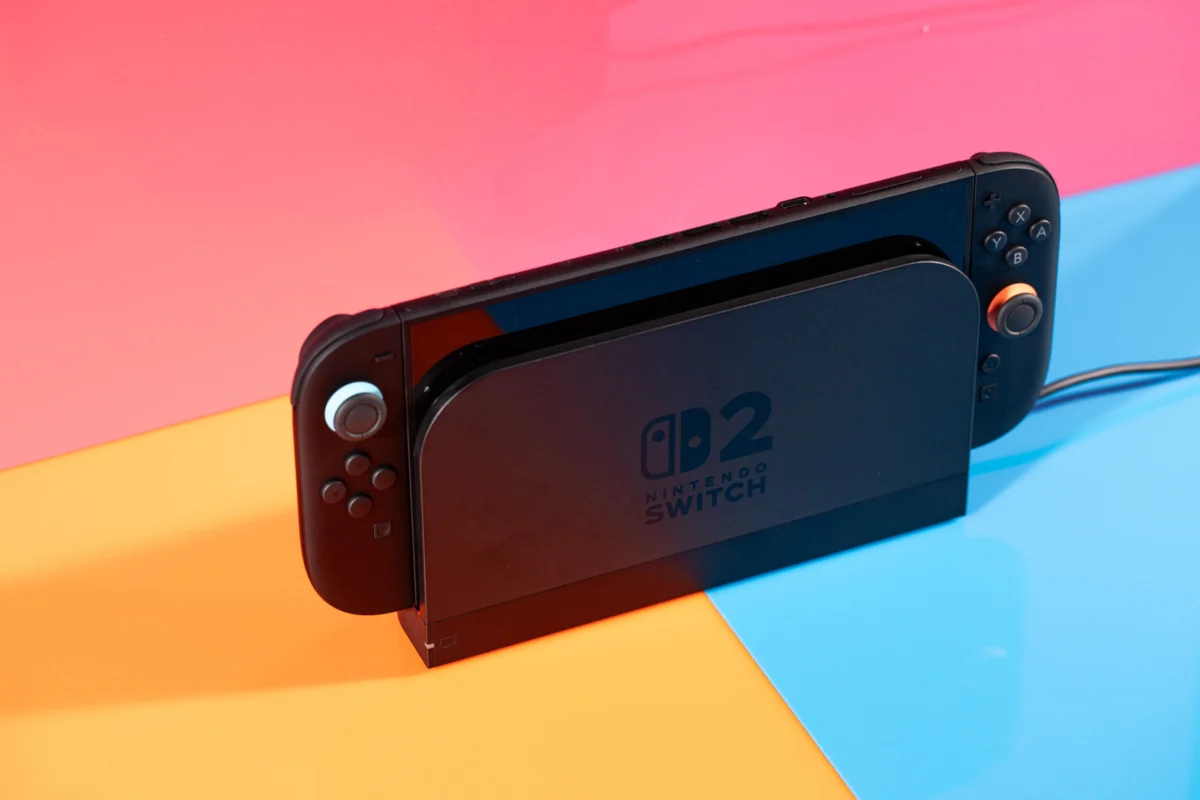
Nintendo has reportedly recalibrated its manufacturing plans for the highly anticipated Switch 2 console, signaling a strategic pivot in response to evolving consumer purchasing patterns and a less robust than anticipated demand in key international markets, particularly the United States. This adjustment, which involves a significant reduction in planned unit output for the current fiscal quarter, suggests a cautious approach by the Japanese gaming titan as it navigates a complex global economic landscape and assesses the long-term viability of its flagship hardware.
The decision to scale back production comes as a notable departure from the console’s initial, record-shattering launch. Within its first four days of availability last June, the Switch 2 achieved an unprecedented sales milestone, becoming Nintendo’s fastest-selling console of all time by moving an impressive 3.5 million units. This overwhelming initial reception had set a high bar and likely informed earlier, more ambitious production forecasts. However, recent indications, including statements from Nintendo President Shuntaro Furukawa during a recent earnings call, point to a "somewhat weaker than expected" performance in overseas sales. This nuanced assessment, coupled with a more granular analysis of market trends, has prompted the reported downward revision of manufacturing targets.
Sources familiar with the matter indicate that Nintendo now aims to produce approximately four million Switch 2 units during the current quarter, a significant decrease from the originally projected six million. This revised output is expected to persist into the subsequent quarter, commencing in April. Despite this production adjustment, it is understood that these measures are not anticipated to jeopardize Nintendo’s overarching sales objective of 19 million Switch 2 units for the current fiscal year, which concludes in March. This suggests a degree of confidence within the company regarding the console’s enduring appeal and its potential to meet established financial benchmarks.
The recalibration of production volumes can be understood within the broader context of the global semiconductor industry and the evolving nature of consumer electronics markets. Like many technology manufacturers, Nintendo is grappling with increased production costs, notably those associated with memory components. While the possibility of adjusting the Switch 2’s retail price has been reportedly considered, the primary driver behind the production cuts appears to be a more conservative outlook on immediate consumer purchasing intent. This strategic decision reflects a prudent response to potential market saturation, heightened competition, and the economic pressures that may be influencing discretionary spending on entertainment hardware.
Furthermore, geopolitical factors are also playing a role in shaping Nintendo’s manufacturing and distribution strategies. Reports suggest that potential export delays, stemming from ongoing global conflicts, particularly in the Middle East, could necessitate a subsequent ramp-up in Switch 2 production. This contingency planning is reportedly focused on building a substantial inventory of a battery-replaceable variant of the console, slated for release in European markets during the upcoming fiscal year. The inclusion of a user-replaceable battery addresses a growing consumer demand for product longevity and repairability, a trend that is increasingly influencing purchasing decisions across various technology sectors. This forward-thinking approach to product design and market segmentation underscores Nintendo’s commitment to adapting to evolving consumer preferences and regulatory landscapes.

The gaming industry, while generally resilient, is subject to cyclical demand and rapid technological advancements. The Switch 2’s initial success can be attributed to a confluence of factors, including Nintendo’s established brand loyalty, its unique hybrid console design, and a compelling library of exclusive software. However, as the console matures in its lifecycle, and as competitors continue to innovate, maintaining sales momentum requires a dynamic and adaptive strategy. The current production adjustments can be interpreted as a proactive measure to align supply with a more realistic demand forecast, thereby mitigating the risk of overstocking and ensuring a more efficient allocation of manufacturing resources.
Analysts suggest that Nintendo’s decision also reflects a sophisticated understanding of market dynamics. Rather than flooding the market with units that may not be immediately absorbed, the company appears to be prioritizing sustained demand and a healthy retail channel. This approach can help to prevent price erosion and maintain the perceived value of the console. The emphasis on a battery-replaceable model for Europe also points to a strategic consideration of the total cost of ownership and the environmental impact of electronic devices, factors that are gaining increasing prominence among consumers and regulators alike.
The long-term outlook for the Switch 2, despite these production adjustments, remains a subject of keen interest. Nintendo has a proven track record of successfully navigating market fluctuations and maintaining strong customer engagement through its innovative hardware and beloved intellectual properties. The company’s ability to consistently deliver high-quality, family-friendly gaming experiences has cemented its position as a unique and enduring player in the global entertainment landscape. The current strategic recalibration should be viewed not as a sign of weakness, but rather as an indication of Nintendo’s adaptive capacity and its commitment to a sustainable and profitable future for its console business.
Moreover, the success of the Switch 2, even with adjusted production, will undoubtedly be tied to the continued release of compelling software. Nintendo’s proprietary franchises, such as Mario, Zelda, and Pokémon, have historically been powerful drivers of hardware sales. The ongoing development and release of new titles within these established universes, alongside the introduction of fresh intellectual property, will be crucial in sustaining consumer interest and encouraging ongoing hardware adoption. The company’s ability to balance innovation in hardware with a robust content pipeline will be a key determinant of the Switch 2’s ultimate success and Nintendo’s continued dominance in the dedicated gaming console market.
The production adjustments also highlight the complex interplay between manufacturing, logistics, and consumer demand in the digital age. The global supply chain, while increasingly sophisticated, remains vulnerable to disruptions. Nintendo’s proactive management of its production pipeline, including contingency planning for potential geopolitical impacts on shipping, demonstrates a mature approach to risk mitigation. This foresight is essential for maintaining a stable supply of its products and ensuring customer satisfaction. The company’s focus on specific regional market needs, such as the battery-replaceable variant for Europe, further underscores a nuanced and customer-centric approach to product development and market penetration.
In conclusion, Nintendo’s reported decision to reduce Switch 2 production is a strategic maneuver indicative of a company that is closely monitoring market trends and adapting its operational plans accordingly. While the initial launch was met with unprecedented enthusiasm, the subsequent recalibration reflects a pragmatic response to evolving consumer behavior and broader economic factors. The company’s continued confidence in the console’s long-term prospects, coupled with its focus on product innovation and a robust content strategy, suggests that the Switch 2 remains a vital component of Nintendo’s future growth trajectory. The industry will be closely observing how these strategic adjustments translate into sustained market performance and continued innovation from one of gaming’s most iconic creators.




 Lisa Mariana
 Safa Marwah
 Ayu Aulia