Aura Kasih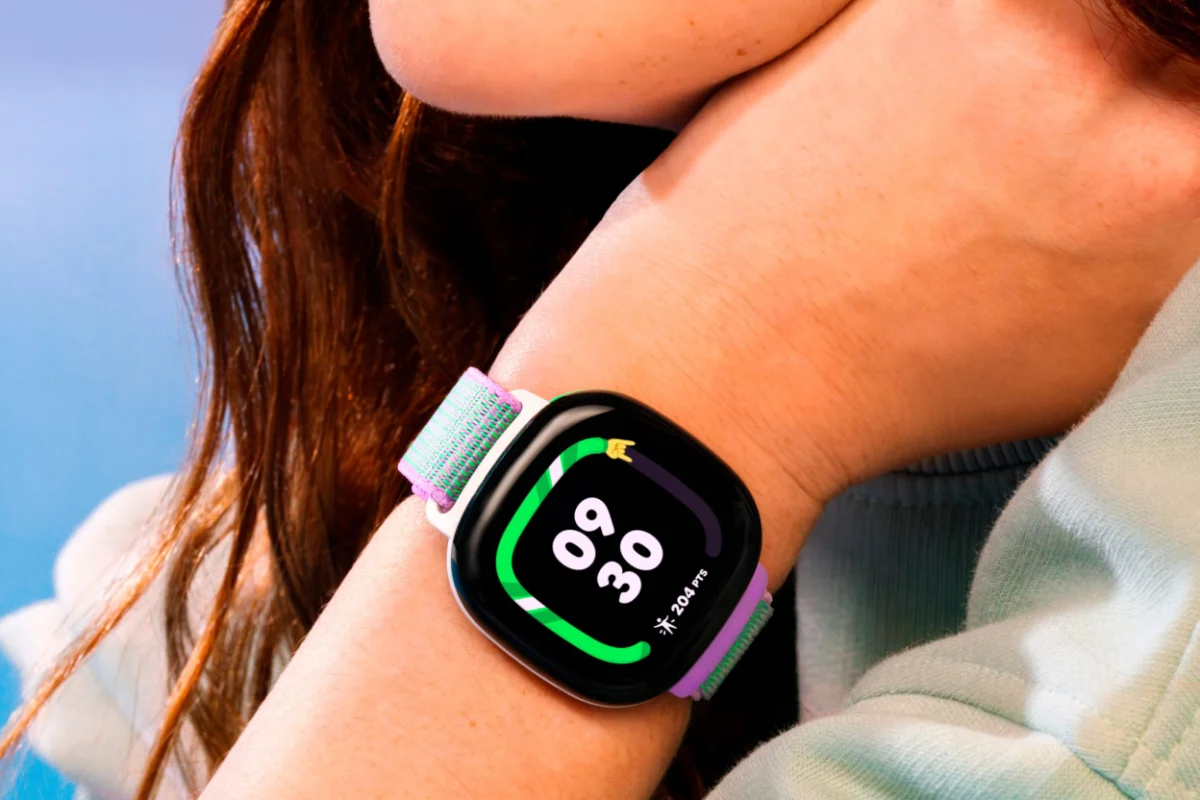
The Fitbit Ace LTE, a smartwatch designed to foster activity and connectivity for children, has reached a significant pricing milestone, matching its lowest-ever retail point of $100. This strategic price adjustment coincides with the approaching spring break season, a period when parents often seek engaging, screen-time alternatives for their children, and positions the device as a compelling value proposition within the burgeoning youth wearables sector.
The Fitbit Ace LTE represents a deliberate entry by Google into the children’s technology market, blending the established fitness tracking capabilities of Fitbit with smartwatch functionalities tailored for younger users. The device is engineered to encourage physical activity through a suite of interactive, step-activated games. Beyond mere step counting, the Ace LTE aims to gamify movement, transforming exercise into an engaging experience for children aged 7 to 11. This approach aligns with broader trends in digital health and wellness, extending the concept of activity tracking to a demographic that is increasingly digitally native.
At its core, the Ace LTE functions as a sophisticated activity tracker. However, its differentiation lies in the integration of a proprietary digital companion, Eejie. This virtual character serves as a motivational tool, rewarding children with in-game currency for achieving fitness milestones. This currency can then be redeemed for virtual goods such as character outfits, personalized digital environments, and other cosmetic enhancements for Eejie. This gamified reward system is designed to foster sustained engagement and positive reinforcement, encouraging consistent physical activity. The game mechanics themselves are designed for intuitive play, incorporating elements like a simulated fishing game that utilizes arm movements for casting and reeling, and a racing game that employs arm tilting for steering, mirroring popular mobile gaming controls.
The device’s utility extends beyond its core fitness features, incorporating robust safety and communication capabilities. Notably, the Ace LTE operates within a controlled ecosystem, free from advertisements and third-party app stores. This curated environment provides parents with a significant degree of oversight through comprehensive parental controls. These controls allow guardians to manage the child’s contact list, customize device settings, and monitor activity progress towards established goals. Furthermore, the device offers features such as the ability to disable games during school hours, ensuring that the Ace LTE supports, rather than detracts from, educational priorities.

A key innovation of the Fitbit Ace LTE is its potential to serve as a standalone communication device, reducing reliance on a traditional smartphone for younger children. With the addition of a monthly or annual data plan, the Ace LTE enables children to initiate calls and send text messages to a pre-approved list of contacts. This feature not only enhances safety by allowing for easy communication in emergencies but also provides a degree of independence for children. Crucially, the Ace LTE supports contactless payments through Google Pay, allowing children to make purchases independently, a feature that requires careful consideration and management by parents regarding financial literacy and responsible spending.
The current pricing strategy, with the Fitbit Ace LTE available at $100, represents a significant reduction from its initial launch price. This aggressive discounting suggests a strategic market penetration initiative by Google. The timing, coinciding with the lead-up to Amazon’s Big Spring Sale, indicates a calculated effort to capture a wider consumer base during a period of increased discretionary spending by families. Retail partners such as Best Buy and Target are also participating in this price matching, amplifying the device’s availability and reinforcing its value proposition across multiple sales channels. This widespread availability at a competitive price point is critical for establishing market share in a segment that demands both affordability and compelling features.
The youth wearables market is experiencing dynamic growth, driven by a confluence of factors including increasing parental concern over screen time, a desire to promote healthy lifestyles, and the growing acceptance of wearable technology across all age groups. Competitors in this space offer a range of devices, from basic fitness trackers to more advanced smartwatches with limited connectivity. The Fitbit Ace LTE aims to differentiate itself by offering a more integrated experience that balances active play, communication, and parental oversight. The device’s feature set, including GPS tracking for location sharing and the ability to act as a near-smartphone replacement for essential communication, positions it as a more comprehensive solution compared to simpler fitness bands.
From a technological perspective, the Fitbit Ace LTE incorporates hardware elements that bear resemblance to those found in Google’s more premium offerings, such as the Google Pixel Watch 2. This suggests a commitment to delivering a robust and capable device, even within a segment often characterized by lower-end specifications. The underlying software, developed by Google, is designed to provide a secure and user-friendly experience, with an emphasis on privacy and data protection, which are paramount concerns for parents purchasing technology for children.
The long-term implications of this pricing strategy and product positioning are significant. By establishing a strong foothold in the youth market with a feature-rich device at an attractive price, Google can cultivate brand loyalty from an early age. Children who grow accustomed to the Fitbit ecosystem and its associated functionalities may be more likely to transition to other Google or Fitbit products as they mature. This approach mirrors successful strategies employed by other technology giants that have leveraged early adoption in younger demographics to build a sustained customer base.

Furthermore, the success of the Fitbit Ace LTE could influence the broader development of the children’s technology market. As parents become more comfortable with connected devices for their children, and as manufacturers demonstrate the capacity to offer secure and engaging experiences, the demand for such products is likely to increase. This could spur further innovation in areas such as educational apps for wearables, advanced safety features, and even early introductions to digital literacy and financial management tools.
The introduction of a subscription service for enhanced features, such as calling, texting, and location sharing, also presents a recurring revenue stream for Google. This model allows for a lower upfront hardware cost, making the device more accessible, while generating ongoing income. The success of this subscription model will depend on the perceived value and utility of the premium features for parents and children.
In conclusion, the Fitbit Ace LTE’s current $100 price point signifies more than just a discount; it represents a strategic maneuver to establish a dominant presence in the youth wearables market. By combining engaging gamified fitness, robust safety features, and standalone communication capabilities, the device offers a compelling value proposition. Its success will not only impact Google’s market share in this growing sector but could also shape the future trajectory of children’s technology, prioritizing active lifestyles and connected safety for the next generation.



 Lisa Mariana
 Safa Marwah
 Ayu Aulia