Lisa Mariana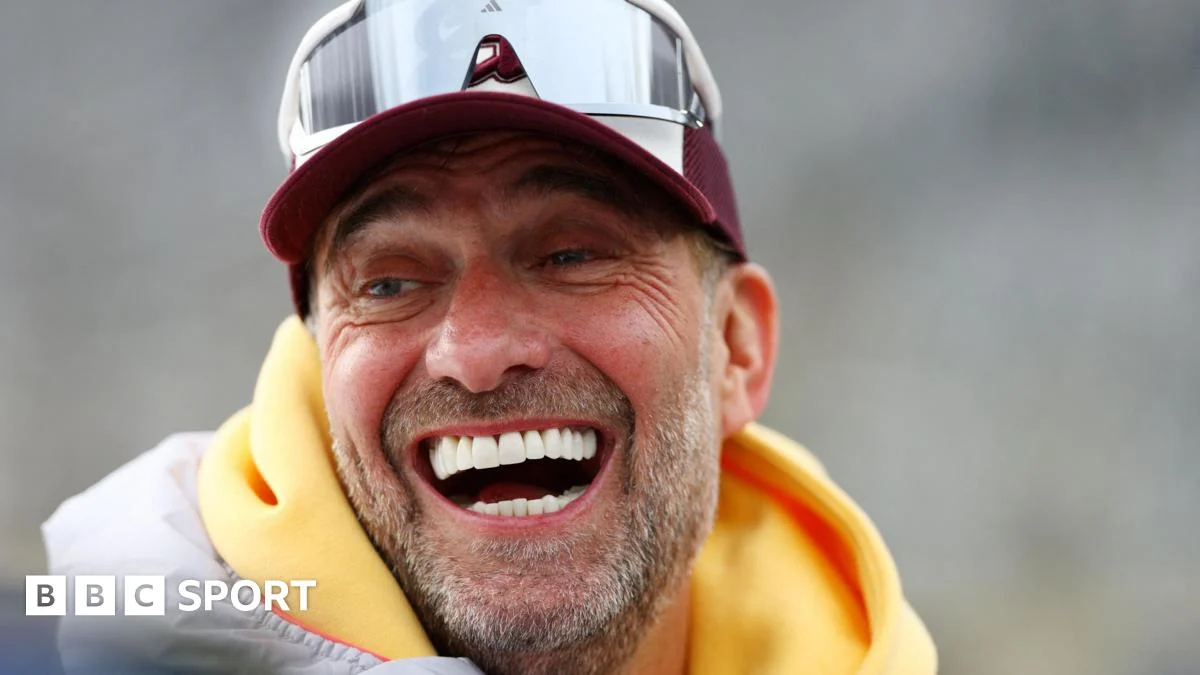
Jurgen Klopp, the esteemed former manager of Liverpool Football Club, has categorically dismissed recent media speculation linking him to the senior managerial position at Real Madrid, unequivocally labeling such reports as unfounded. While firmly denying any present communication or engagement with the Spanish footballing behemoth, the influential German tactician simultaneously conveyed his prospective willingness to re-enter the demanding sphere of professional football management at a subsequent juncture, asserting that his career in the dugout is far from its conclusion.
Speaking from a media engagement in Munich, Klopp directly addressed the widespread conjectures, employing definitive language to quash the burgeoning narrative. "The notion that Real Madrid has initiated contact is simply without merit," he stated, adding emphasis to the absence of any overtures. "Had such an approach occurred, the information would undoubtedly be public by now. This entire discussion is baseless; there has been no call, not even a single instance. My representative, who is readily accessible, can corroborate this fact, as no communication has been directed to him either." This forthright repudiation serves to delineate the current reality amidst a fertile ground of football transfer and managerial speculation.
Klopp’s current professional status is one of transition, having concluded his highly successful nine-year tenure at Liverpool at the close of the 2023-24 Premier League season. His departure from Anfield was characterized by profound emotional farewells and a stated need for a sabbatical, citing mental and physical exhaustion inherent to the intense demands of elite-level club management. Following this period, he has assumed an advisory role as the Head of Global Football for Red Bull, a position that entails strategic oversight and development within the expansive Red Bull footballing ecosystem, which includes clubs like RB Leipzig and Red Bull Salzburg. This role, while significant, is fundamentally different from the day-to-day rigors of first-team coaching, suggesting a strategic pivot designed to offer a different kind of engagement with the sport without the immediate pressures of competitive management.
The genesis of the speculation linking Klopp to Real Madrid is multifaceted, reflecting both the iconic status of the Spanish club and Klopp’s own formidable reputation within the global football landscape. Real Madrid, with its unparalleled history of success, demands a managerial figure capable of sustaining its elite trajectory and handling immense pressure. The club’s perpetual quest for the world’s finest talent, both on the pitch and in the technical area, naturally places any highly regarded, currently available manager on their potential shortlist, even if the timing is not immediately opportune. Klopp’s impressive resume, featuring Bundesliga titles with Borussia Dortmund and a Premier League title and UEFA Champions League crown with Liverpool, positions him as one of the most coveted coaches globally. His charismatic leadership, tactical acumen, and ability to cultivate a winning mentality are attributes that resonate deeply with the ethos of a club like Real Madrid.
However, the current reality at the Santiago Bernabéu presents a contrasting picture of stability. Carlo Ancelotti, the venerable Italian tactician, currently presides over Real Madrid’s senior squad, enjoying a highly successful second spell at the club. Under his stewardship, Real Madrid has continued to accumulate major trophies, including recent triumphs in La Liga and the Champions League, solidifying his position and extending his contract. Ancelotti’s calm demeanor, pragmatic approach, and exceptional man-management skills have fostered a cohesive and high-performing environment. This prevailing stability under Ancelotti renders any immediate managerial change highly improbable, making the rumors concerning Klopp’s arrival appear largely disconnected from the club’s current operational reality. The club’s leadership has consistently expressed confidence in Ancelotti, further undermining the credibility of imminent succession talks involving external candidates.
Klopp’s managerial philosophy, often dubbed "Gegenpressing," involves a high-intensity, proactive style of play characterized by aggressive counter-pressing and rapid transitions. This demanding tactical system requires immense physical output and mental discipline from players, a hallmark of his successful teams at Dortmund and Liverpool. Beyond tactics, Klopp is renowned for his exceptional ability to forge strong bonds with his players, inspire unwavering loyalty, and cultivate a unique club culture that resonates deeply with fans. His passionate touchline presence and authentic communication style have made him a beloved figure wherever he has coached. The question of whether this specific brand of football and leadership would seamlessly translate to Real Madrid, a club with its own distinct traditions, expectations, and a history of favoring more possession-based or tactically flexible approaches, remains a subject of considerable analytical debate. While Real Madrid possesses the world-class talent pool to execute almost any system, adapting to the cultural nuances and established hierarchy of a club steeped in Galáctico history would present a unique challenge for any manager, even one of Klopp’s caliber.
The allure of managing Real Madrid is undeniable for any ambitious coach. It represents the pinnacle of club football, offering unparalleled resources, a global platform, and the perennial expectation of silverware. The opportunity to lead a squad composed of some of the sport’s most gifted athletes and compete for every major trophy annually is a powerful draw. Historically, the club has shown a willingness to make bold managerial changes in pursuit of success, a factor that often fuels speculation around high-profile coaches. However, this also implies a demanding environment where sustained success is not just desired, but expected, often with little patience for transitional periods.
The concept of a sabbatical for elite football managers has become increasingly common, reflecting the extraordinary physical and psychological toll of the profession. The relentless schedule, intense media scrutiny, constant pressure for results, and the emotional investment required to manage a top club can lead to burnout. A sabbatical provides a crucial period for rest, reflection, and rejuvenation, allowing managers to recharge their batteries, spend time with family, and potentially re-evaluate their long-term career goals. For Klopp, his departure from Liverpool was explicitly framed as such a necessary pause. His current role at Red Bull offers a means to remain connected to the sport in a less demanding capacity, perhaps a strategic move to prevent complete detachment while allowing for a genuine break from the front lines of coaching. The duration of such breaks varies, but it is clear that Klopp is consciously managing his return to the high-stakes world of dugout management.
Klopp’s assertion that he is "not completely finished" as a coach and has "not reached retirement age" is a significant declaration regarding his future ambitions. It signals his intent to return to active management, albeit on his own terms and timetable. This statement fuels ongoing speculation about his eventual destination. What kind of project would attract him next? Would he seek another long-term build, similar to his tenures at Dortmund and Liverpool, or would he be open to a more immediate, high-pressure challenge? The possibility of a national team role, perhaps with his native Germany, has also been mooted as a less demanding alternative to club management, offering intermittent bursts of intense competition. His eventual return will undoubtedly be one of the most anticipated events in the managerial market, with a host of top clubs across Europe likely to monitor his situation closely.
The market for elite football managers is a highly specialized and competitive arena, characterized by a limited pool of proven, top-tier talent. Managers like Klopp, Pep Guardiola, Carlo Ancelotti, and Xabi Alonso are in incredibly high demand, commanding significant salaries and exerting considerable influence over club strategy. Their availability, even temporarily, sends ripples through the footballing world, often prompting a domino effect of managerial changes. Klopp’s current availability, albeit with a stated intention to remain out of direct coaching for the immediate future, positions him as a prime candidate for any major club seeking a transformational leader when he eventually decides to return.
The role of media scrutiny and speculation in modern football cannot be overstated. In an era of constant news cycles and fervent fan engagement, rumors surrounding high-profile figures like Klopp and clubs like Real Madrid are inevitable. These narratives often emerge from various sources, sometimes with legitimate inside information, but frequently based on conjecture, wishful thinking, or strategic leaks. Klopp’s emphatic denial serves to manage this media ecosystem, attempting to preemptively shut down a storyline that could become a distraction for both himself and the involved clubs. It also respects the positions of current managers and the ongoing operations of clubs.
Ultimately, while Jurgen Klopp has unequivocally dismissed current links to Real Madrid, his statements leave an open door for a future return to the dugout. His period of sabbatical, coupled with his advisory role at Red Bull, appears to be a carefully managed phase designed to refresh and re-energize before he potentially embarks on another chapter in his illustrious coaching career. The football world will undoubtedly await his next move with keen interest, recognizing that a manager of his caliber will always be a subject of intense speculation and a coveted asset for any club aspiring to elite success. His eventual return will not be a question of if, but when and where.




 Aura Kasih
 Safa Marwah
 Ayu Aulia