Lisa Mariana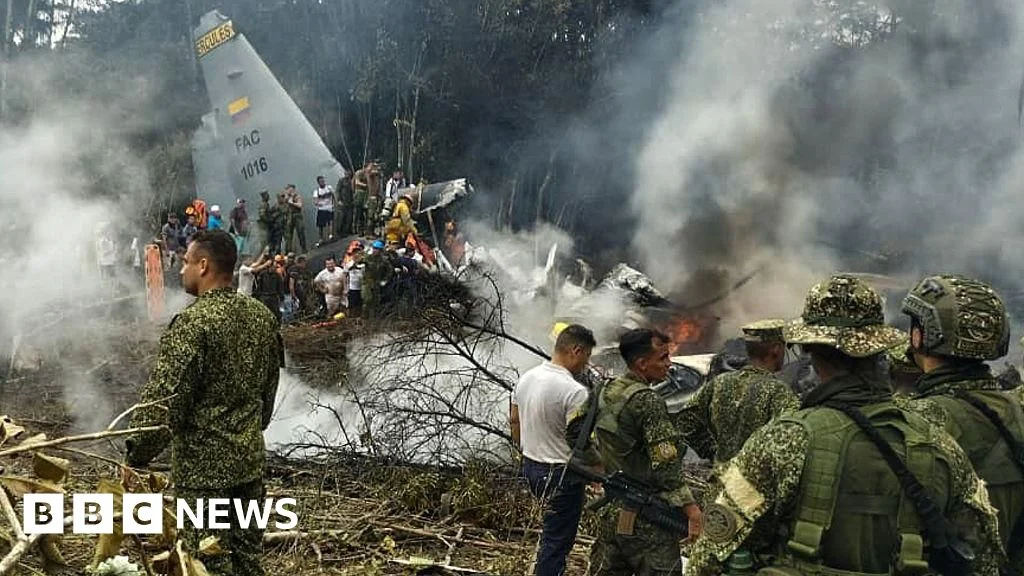
A venerable C-130 Hercules transport aircraft operated by the Colombian Air Force (FAC), carrying 125 military personnel and crew, suffered a devastating crash shortly after takeoff in the southern Putumayo province, resulting in a significant loss of life and numerous injuries. The tragic event, which unfolded near the remote town of Puerto Leguízamo, close to Colombia’s border with Peru, has initiated an intensive investigation into the cause and sparked a national discourse on the readiness and modernization of the nation’s armed forces.
Initial reports from Air Force commander Carlos Fernando Silva Rueda indicated that the ill-fated flight carried 114 army personnel and 11 crew members. While 48 individuals were initially extracted from the mangled wreckage and transported to medical facilities with varying degrees of injury, subsequent updates from regional governor Jhon Gabriel Molina confirmed a minimum of eight fatalities and a revised figure of over 80 injured in the Monday incident. The discrepancy in reported injury numbers underscores the chaotic and rapidly evolving situation on the ground in the immediate aftermath of the disaster. Emergency services, including specialized search and rescue teams, were immediately deployed to the crash site, sifting through the scattered debris and smoke, desperately searching for survivors amidst the grim scene. The gravity of the situation prompted a swift and solemn response from national authorities, with Defence Minister Pedro Sánchez describing it as a "tragic accident" and a deeply sorrowful event for the nation.
The Indispensable C-130 Hercules in Colombian Military Operations
The aircraft involved in the catastrophe was a Lockheed C-130 Hercules, an iconic American-made tactical airlifter renowned globally for its robust design, versatility, and enduring service record. Introduced in the 1950s, the Hercules has become a workhorse for military forces worldwide, including the Colombian Air Force, serving a critical role in transporting troops, equipment, and humanitarian aid, particularly in challenging environments. Its ability to operate from austere airfields and navigate diverse terrains makes it an invaluable asset for countries like Colombia, where geographical complexities often necessitate air transport for military logistics and rapid response.
Within the Colombian Air Force, the C-130 fleet forms the backbone of its strategic airlift capabilities. These aircraft are routinely deployed across the vast and often difficult-to-access regions of the country, supporting counter-narcotics operations, anti-insurgency efforts, border surveillance, and providing logistical support to remote military outposts. The loss of a C-130, especially one carrying such a large contingent of personnel, represents a significant operational setback for the FAC, impacting its capacity to project power and maintain presence in critical areas. The average age of many C-130s still in service globally often exceeds several decades, presenting inherent challenges related to maintenance, parts availability, and the need for continuous upgrades to keep pace with modern aviation safety standards. This raises immediate questions regarding the specific airframe involved in the crash and its maintenance history within the Colombian fleet.
Geographic Imperatives and Operational Realities in Putumayo
The crash occurred in Putumayo province, a region of immense strategic importance and considerable operational complexity for Colombian security forces. Bordering both Peru and Ecuador, Putumayo is characterized by dense Amazonian jungle, winding rivers, and a challenging logistical landscape. It is also a known hotspot for illegal activities, including coca cultivation, drug trafficking, and the presence of various illegal armed groups, including remnants of former FARC dissidents and other criminal organizations.
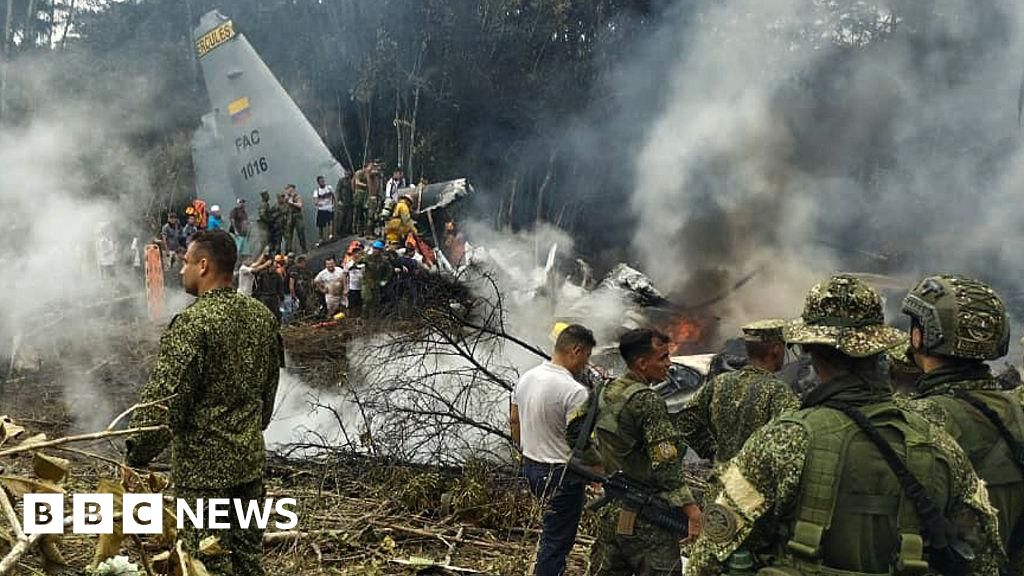
The constant military presence in Putumayo is a necessity for national security and stability. Troops are regularly rotated, resupplied, and deployed to conduct interdiction missions, protect civilian populations, and assert state control over vast, often ungoverned territories. The transportation of 114 army personnel aboard the C-130 underscores the scale of military deployments required in this volatile region. Such missions are inherently high-stakes, and reliable air transport is not merely a convenience but a critical operational requirement. The incident at Puerto Leguízamo, an area critical for fluvial and aerial logistics, highlights the severe risks associated with military operations in such remote and complex environments. The sight of local residents using motorbikes to transport injured soldiers from the crash site to hospitals, as captured in local media footage, paints a stark picture of the rudimentary infrastructure and the immediate, community-driven response necessitated by the remoteness of the disaster.
The Human Cost and the Immediate Aftermath
The immediate aftermath of the crash was a scene of urgent humanitarian response and profound tragedy. With a confirmed death toll of at least eight and more than 80 injured, the incident places immense strain on local medical facilities, which are often limited in remote areas like Putumayo. The logistics of evacuating a large number of critically injured individuals from a crash site in a jungle environment are formidable, requiring coordinated efforts from air force medical teams, ground rescue personnel, and potentially civilian support. The swift deployment of military trucks carrying soldiers to the area, alongside the rising plume of smoke from the wreckage, illustrated the scale of the emergency. For the families of those on board, the waiting period for definitive information on their loved ones would have been agonizing, a poignant reminder of the inherent dangers faced by military personnel in the line of duty.
Investigation Underway: Unraveling the Causes
The Colombian Air Force has promptly initiated a comprehensive investigation into the causes of the crash, a standard protocol following any military aviation accident of this magnitude. Such inquiries are meticulous and often protracted, involving multiple layers of analysis to determine the precise sequence of events that led to the disaster. Key elements of the investigation will include:
- Wreckage Analysis: Detailed examination of the aircraft’s remnants, including structural components, engines, and control surfaces, to identify any signs of mechanical failure, material fatigue, or external impact.
- Flight Data and Cockpit Voice Recorders: Retrieval and analysis of the "black boxes" are paramount. These devices provide invaluable insights into the aircraft’s performance parameters, system status, and crew communications in the moments leading up to the crash.
- Maintenance Records: A thorough review of the aircraft’s maintenance history, including past repairs, inspections, and component replacements, to ascertain if any pre-existing issues contributed to the accident.
- Witness Statements: Interviews with ground personnel, air traffic controllers, and any eyewitnesses to the take-off sequence.
- Environmental Factors: Assessment of weather conditions at the time of the crash, runway conditions at Puerto Leguízamo, and any potential environmental hazards such as bird strikes.
- Human Factors: Evaluation of crew training, experience, fatigue levels, and adherence to operational procedures.
Given President Gustavo Petro’s comments, the investigation may also delve into the broader context of the FAC’s equipment readiness and the efficacy of its modernization programs. The remoteness of the crash site will undoubtedly add layers of logistical complexity to the investigative process, potentially extending the timeline for definitive conclusions.
Political Ramifications and the Call for Modernization
The tragic incident has quickly escalated into a political flashpoint, with President Gustavo Petro publicly expressing profound dismay and attributing blame to systemic issues within the defense establishment. In a lengthy post on the social media platform X, President Petro declared the "horrendous accident… should not have happened," pointedly criticizing "bureaucratic problems" that he claimed were hindering his administration’s plans to modernize the armed forces’ equipment and aircraft fleet. He unequivocally stated, "I will allow no further delays, the lives of our young people are at stake," without, however, offering specific details on the direct cause of this particular accident.
President Petro’s remarks represent a significant intervention, potentially preemptively framing the narrative around the crash as a symptom of deeper institutional shortcomings. His statements could be interpreted as a strategic move to leverage the tragedy to accelerate his long-standing agenda for military reform and increased defense spending on modernization. However, such public declarations, prior to the conclusion of an official investigation, can also create tensions within the military high command and potentially influence public perception of the armed forces’ operational capabilities and safety standards.
The incident highlights a recurring challenge for many nations: balancing the need for a capable defense force with budgetary constraints and the complexities of procurement processes. Modernizing an entire military fleet, especially for a country like Colombia with extensive security challenges, is a monumental undertaking. It requires significant investment, strategic planning, and overcoming bureaucratic hurdles that can indeed delay critical upgrades. This crash will undoubtedly intensify scrutiny on defense budgets, procurement timelines, and the overall state of military aviation assets.
Future Outlook: A Catalyst for Change?
The loss of the C-130 Hercules and the lives of those aboard will have profound implications for the Colombian Air Force and the nation as a whole. Operationally, it reduces the FAC’s critical transport capacity, potentially affecting deployments and logistical support for ongoing security operations. Psychologically, such a disaster can impact morale within the armed forces, though it often also galvanizes a sense of unity and determination.
The findings of the official investigation will be crucial. Should it point to systemic maintenance failures, aging equipment, or procedural lapses, it could serve as a powerful catalyst for expedited modernization efforts, stricter oversight of maintenance protocols, and increased investment in training and infrastructure. President Petro’s strong statements suggest that his administration is prepared to use this tragedy as a mandate for significant reforms.
Beyond the immediate technical and operational aspects, the incident will likely reignite public debate on the welfare of military personnel, the sacrifices they make, and the government’s responsibility to provide them with the safest and most reliable equipment. It serves as a somber reminder of the inherent risks in military service and the constant need for vigilance and investment in defense capabilities. As Colombia continues to navigate its complex security landscape, ensuring the safety and readiness of its armed forces remains a paramount national priority, and this catastrophic event may well mark a pivotal moment in that ongoing endeavor.



 Aura Kasih
 Safa Marwah
 Ayu Aulia