Lisa Mariana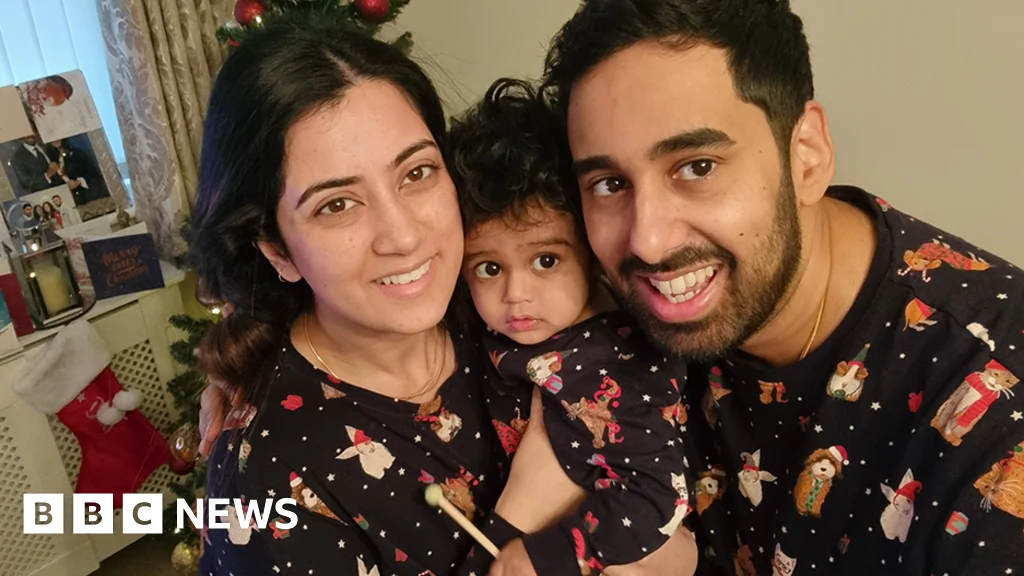
A leading pediatric healthcare institution has issued a profound apology and admitted full liability following the tragic and avoidable death of a three-year-old boy from Wolverhampton, who succumbed to severe internal bleeding after a routine diagnostic procedure. Aarav Chopra’s untimely demise in 2023 at Birmingham Children’s Hospital has ignited significant scrutiny into clinical oversight, trainee doctor protocols, and the critical importance of transparent communication with patient families, particularly in delicate medical contexts involving vulnerable young patients.
Aarav’s brief life was already marked by formidable health challenges. He had undergone a liver transplant, a complex and life-saving intervention, but subsequently experienced organ rejection, necessitating further diagnostic investigation. It was during a routine biopsy, a procedure designed to collect tissue samples for analysis, that a critical error occurred. A trainee doctor, whose experience level was later found to have been miscommunicated within the hospital and to Aarav’s parents, inadvertently pierced an artery. This catastrophic puncture led to rapid internal hemorrhaging, culminating in a build-up of blood in his chest, which ultimately triggered a cardiac arrest. The young boy’s death was later unequivocally deemed preventable by a coroner, attributing it to systemic neglect within the hospital’s care framework.
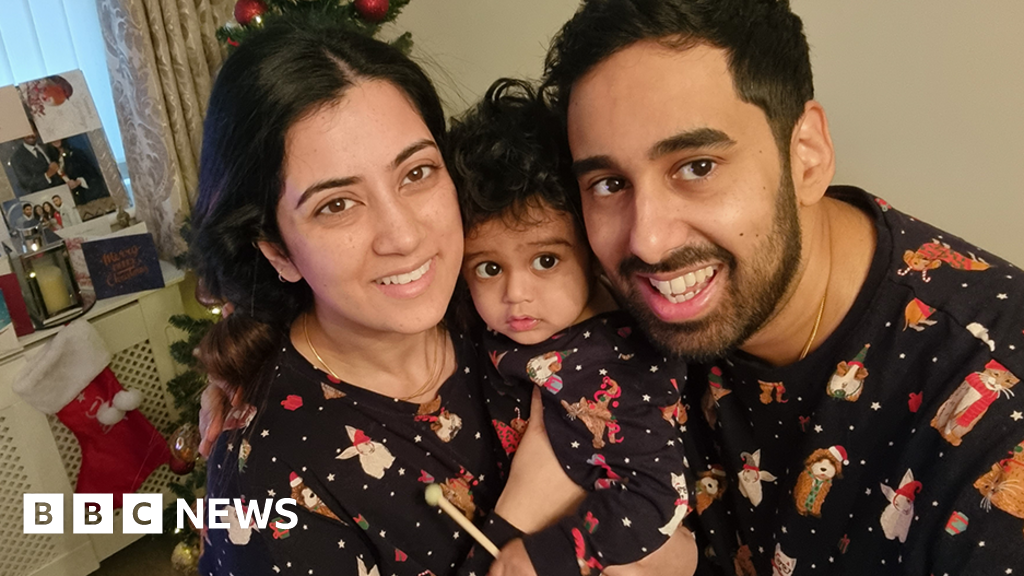
The profound grief and subsequent legal battle endured by Aarav’s parents, Amrita and Kishore Chopra, underscore the devastating human cost of medical errors. Amrita Chopra articulated the crushing impact, stating, "The strain it’s put on us as a family has killed us." Her sentiment reflects a deep betrayal of trust, particularly given that they had placed their son in what they believed was "the best place for his care." The family’s heartbreak is compounded by the knowledge that Aarav’s death could have been avoided, a reality that drives their resolute determination to prevent other families from suffering similar fates. Kishore Chopra painted a poignant picture of their son, describing him as "the most adorable little boy" whose infectious smile and happy disposition brought "sunshine to our lives." The abrupt transition from hopeful recovery following his transplant to an unthinkable loss after a seemingly routine procedure has left an indelible void, making it "difficult to accept that he went into hospital for what we thought would be a relatively routine biopsy and never came home."
The findings of the inquest into Aarav’s death were damning, concluding that neglect demonstrably contributed to the tragedy. This legal determination highlights a failure to meet fundamental standards of care that are expected within a medical setting. A coroner’s report, issued subsequent to the inquest, identified several critical areas requiring urgent redress. Chief among these was the confusion surrounding the experience level of the trainee doctor who performed the biopsy. It was initially believed that the practitioner was a year six trainee, indicating a higher level of experience and independence, when in reality, they were a year four trainee, implying a greater need for direct supervision and mentorship. Crucially, Aarav’s parents asserted that they were never adequately informed that a trainee would be involved in such an invasive procedure, raising serious questions about the hospital’s informed consent processes and communication protocols.
The practice of trainee doctors performing procedures is an indispensable component of medical education and the development of future healthcare professionals. However, this must be meticulously balanced with stringent patient safety protocols and robust supervisory frameworks. In a complex healthcare environment, the precise identification of a trainee’s experience level is paramount, not merely for administrative purposes, but for determining the appropriate level of direct supervision required for any given procedure. For invasive interventions such as biopsies, particularly in a vulnerable patient population like young children with pre-existing conditions, the presence of an experienced senior clinician for direct supervision is often a non-negotiable standard of care. The misrepresentation or misunderstanding of the trainee’s seniority, whether accidental or systemic, represents a critical breakdown in these safeguards.
Furthermore, the principle of informed consent dictates that patients, or in this case, their legal guardians, must be provided with comprehensive information regarding their care plan. This includes details about the procedure itself, potential risks, alternative treatments, and critically, the qualifications and experience of the medical personnel who will be directly involved. The family’s assertion that they were not made aware of a trainee’s involvement suggests a significant lapse in this ethical and legal obligation, eroding the trust that is foundational to the patient-provider relationship.
In response to the tragedy and the subsequent inquest findings, the Birmingham Women’s and Children’s NHS Trust, which oversees the hospital, has formally apologized and acknowledged its culpability. Dr. Satish Rao, Chief Medical Officer, conveyed "sincere condolences" and explicitly stated that "the standard of care provided did not meet those expected and for this we are truly sorry and have admitted full liability." This admission of full liability carries significant legal and ethical weight, signifying that the Trust accepts responsibility for the deficiencies in care that directly led to Aarav’s death. The Trust has also affirmed that "changes were made to our processes to improve patient care" and expressed a commitment to "sustaining these improvements in his memory."
While the specific details of these "changes" have not been exhaustively outlined, such institutional responses typically encompass a range of corrective actions. These might include a thorough review and revision of existing clinical protocols for biopsies, particularly those involving pediatric patients and trainees. Enhancements to supervision models, ensuring that junior doctors are appropriately monitored and guided during invasive procedures, are often a key focus. Improvements in internal communication systems to accurately track and relay the experience levels of all medical staff are also crucial. Furthermore, a renewed emphasis on patient and family communication, ensuring that informed consent discussions are comprehensive, transparent, and clearly document the roles of all healthcare providers, would be an expected outcome. Training refreshers and mandatory workshops for staff on patient safety, risk management, and ethical considerations surrounding trainee involvement are also common components of such systemic improvements.

The legal claim brought by Aarav’s family, which has since been settled, underscores the critical role of legal recourse in holding healthcare providers accountable and in driving systemic change. Catherine Lee, the family’s solicitor from Irwin Mitchell, emphasized that while the Trust has acknowledged its failings, it is "now vital that staff are supported to uphold the highest standard of care at all times." This statement highlights the ongoing challenge of embedding a culture of safety and continuous improvement within large, complex healthcare organizations. Legal settlements, while providing some measure of redress for the bereaved families, also serve as powerful catalysts for hospitals to critically evaluate their practices and implement robust measures to prevent recurrence.
The tragic case of Aarav Chopra transcends the individual incident, serving as a stark reminder of the perpetual need for vigilance in patient safety across all levels of healthcare. It highlights the delicate balance between the imperative to train the next generation of medical professionals and the unwavering commitment to providing the safest possible environment for patients. The implications extend to broader policy discussions around resource allocation, staffing levels, and the oversight mechanisms governing medical training programs. For parents entrusting their children to medical care, such incidents erode confidence, making the transparency and accountability of healthcare providers more critical than ever. The legacy of Aarav Chopra, as his family hopes, will be a lasting commitment to systemic improvements that safeguard the lives of other vulnerable children, ensuring that his preventable death serves as a catalyst for meaningful and sustained change in pediatric care.




 Aura Kasih
 Safa Marwah
 Ayu Aulia