Aura Kasih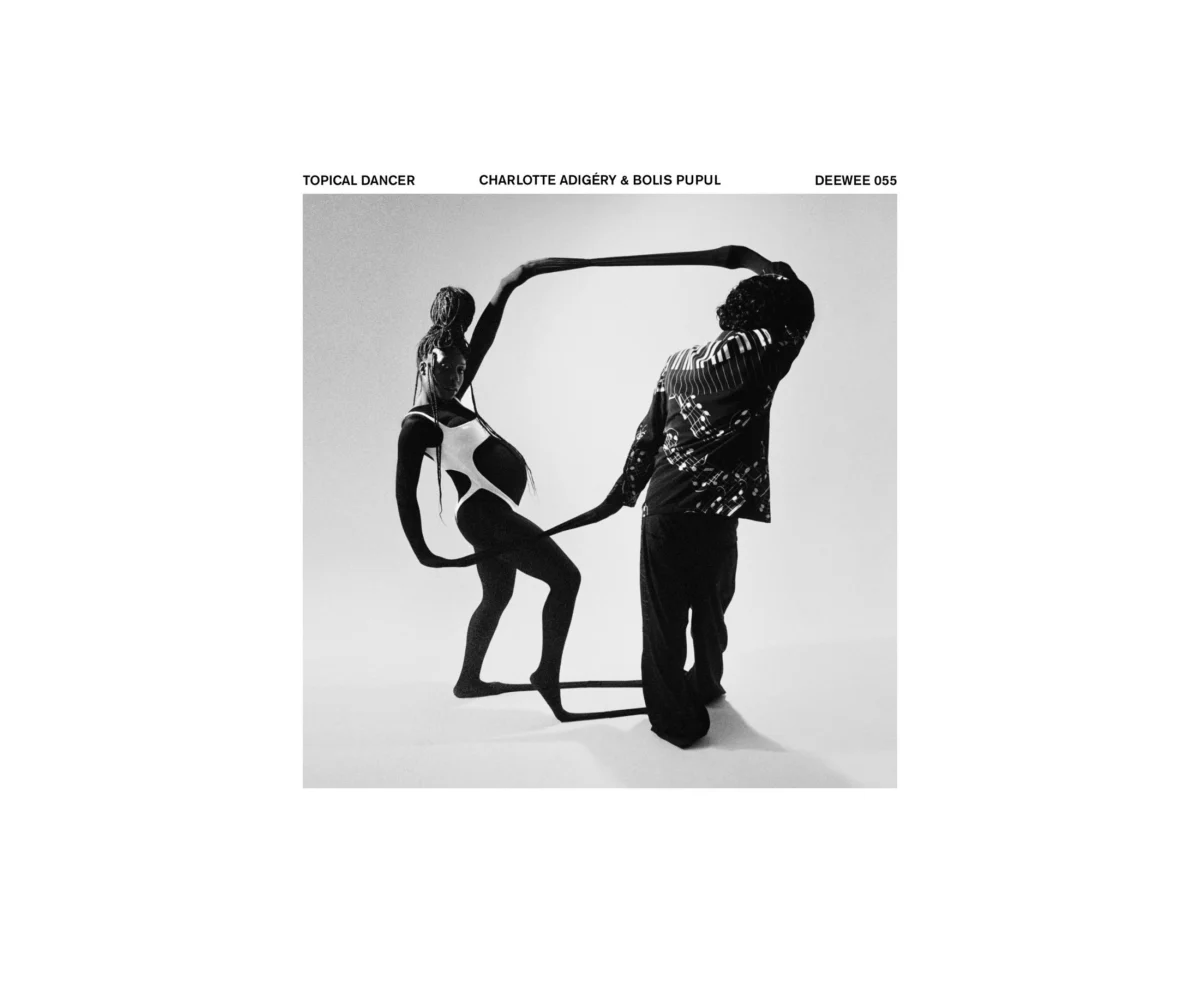
Charlotte Adigery and Bolis Pupul’s 2022 album, "Topical Dancer," emerges as a remarkable sonic artifact, a bold and often audacious exploration that masterfully blends propulsive electronic rhythms with a disarmingly playful, yet incisive, political commentary. While superficially distinct from the introspective textures of Sotomayor’s "Wabi Sabi," which also recently garnered attention for its unique atmospheric qualities, "Topical Dancer" shares a similar underlying spirit of genre-bending innovation and a commitment to creating music that is both physically engaging and intellectually stimulating. This album stands as a testament to the duo’s ability to craft infectious dancefloor anthems that simultaneously serve as potent vehicles for social observation, challenging listeners with their sharp wit and undeniable groove.
The power of "Topical Dancer" lies in its audacious fusion of disparate sonic influences. Adigery and Pupul have forged a sound that, while undeniably rooted in contemporary electronic music, draws heavily from the angularity of post-punk and the pioneering spirit of early electronic experimentation. This sonic lineage is most evident in their rhythmic structures and instrumental arrangements, which frequently evoke the spirit of seminal acts like Talking Heads. The propulsive basslines that anchor tracks such as "Ceci N’est Pas un Cliché" are not merely functional; they are aggressively engaging, designed to dismantle any reticence and compel immediate physical response. These basslines cut through the sonic landscape with a visceral urgency, acting as a catalyst for uninhibited movement and a visceral connection to the music’s energetic core. The percussive elements, often synthesized and imbued with a retro-futuristic sheen, contribute to this sense of relentless forward momentum, creating a sound that is both familiar and refreshingly alien.
However, to categorize "Topical Dancer" solely as a collection of energetic dance tracks would be a significant oversight. Beneath the surface of its infectious rhythms lies a deeply insightful and often biting political consciousness. Adigery’s lyrical approach is characterized by a razor-sharp wit and an unflinching willingness to confront uncomfortable truths about societal dynamics, prejudice, and identity. The track "Blenda," for instance, directly addresses the insidious nature of xenophobia. Adigery’s chanted lyrics, "Go back to your country, where you belong. Siri, can you tell me where I belong?" delivered over a pulsating synth bass and the distinct cadence of an 80s drum machine, encapsulate the alienation and displacement experienced by marginalized communities. The juxtaposition of a seemingly innocuous digital assistant with a deeply personal and politically charged question highlights the absurdity and cruelty of such exclusionary sentiments. This lyrical directness, coupled with the track’s driving rhythm, creates a powerful and memorable statement that lingers long after the music fades.
Further illustrating their incisive commentary, "Esperanto" tackles the complexities of navigating conversations around race and identity, particularly in the context of microaggressions and performative allyship. Adigery offers a form of darkly humorous guidance to those who espouse problematic viewpoints, subtly dissecting their flawed logic. The vocal delivery on lines like, "Don’t say ‘But I’m allowed to say that because I grew up in a black neighbourhood’," is deliberately drawn out, elongating the uncomfortable "nnn" sound to a point that forces the listener to confront the inherent defensiveness and entitlement often present in such statements. Similarly, the reinterpretation of the cliché "White people can’t dance" into "Tom marches to the beat of a different drum" is delivered with a meticulously off-kilter cadence, a vocal performance that musically embodies the awkwardness and performative discomfort of someone attempting to navigate sensitive social issues without genuine understanding. This approach to lyricism and vocal delivery can be described as the sonic equivalent of cringe comedy, where humor is derived from the exposure of social faux pas and misguided pronouncements, prompting reflection through shared, albeit uncomfortable, recognition.
While "Topical Dancer" is undeniably effective in its confrontational critiques of racism, xenophobia, and misogyny, the album is not solely defined by its polemical moments. The track "HAHA," a late-album highlight, provides a welcome and cathartic release. For nearly four minutes, Adigery engages in sustained laughter, punctuated only by the occasional, almost enigmatic, interjection of "Guess you had to be there." This extended laughter serves multiple purposes. On one level, it can be interpreted as a defiant act of joy and resilience in the face of adversity. It’s a reclamation of unadulterated happiness, a refusal to be solely defined by the struggles Adigery and Pupul address. On another level, it acts as a meta-commentary on the very nature of their music and its reception. The shared experience of laughter, particularly in a live setting or within a community of listeners, becomes a form of bonding and shared understanding, an inside joke that reinforces the album’s unique cultural resonance. The phrase "Guess you had to be there" further enhances this sense of insider knowledge and shared experience, implying that the true depth and impact of the music, and the cultural moments it reflects, can only be fully grasped by those who are immersed in the context.
The creative partnership between Charlotte Adigery and Bolis Pupul is a pivotal element in the success of "Topical Dancer." Their collaborative process, which reportedly began with Adigery’s initial sketches and evolved through Pupul’s production expertise, has resulted in a cohesive artistic vision. Pupul’s background in electronic music production, honed through his work with established artists and his own solo projects, provides a sophisticated sonic palette. He masterfully crafts intricate beats, atmospheric soundscapes, and infectious hooks that serve as the perfect foundation for Adigery’s lyrical prowess and distinctive vocal delivery. Adigery, on the other hand, brings a sharp lyrical intelligence and a fearless performative energy. Her ability to imbue her lyrics with both humor and pathos, delivered with a captivating cadence, is a defining characteristic of the album. Together, they create a synergy that elevates "Topical Dancer" beyond a mere collection of songs into a cohesive and impactful artistic statement.
The album’s exploration of themes such as identity, belonging, and the performance of social interactions is particularly relevant in the contemporary global landscape. As societies grapple with increasing globalization, migration, and the persistent challenges of systemic inequality, "Topical Dancer" offers a sonic mirror to these complex realities. The music’s inherent danceability acts as a Trojan horse, allowing its critical messages to permeate listeners’ consciousness through sheer infectiousness. This approach challenges the notion that politically charged music must necessarily be somber or didactic; instead, Adigery and Pupul demonstrate that potent social commentary can be delivered with a sense of liberation and even joy. Their work suggests that music can be a powerful tool for both catharsis and consciousness-raising, enabling individuals to engage with difficult subjects in a way that is both personally resonant and collectively empowering.
The enduring appeal of "Topical Dancer" can also be attributed to its innovative use of sonic textures and production techniques. The album seamlessly integrates elements of vintage synthesizers, drum machines, and organic instrumentation, creating a sound that is both retro and forward-looking. The production is characterized by a certain rawness and an intentional lack of polish, which paradoxically contributes to its authenticity and impact. This deliberate aesthetic choice imbues the music with a sense of urgency and immediacy, making it feel less like a meticulously crafted product and more like a raw transmission from the heart of contemporary culture. The sonic choices, from the gritty basslines to the distorted vocal effects, all serve to amplify the album’s thematic concerns, creating an immersive and thought-provoking listening experience.
In conclusion, Charlotte Adigery and Bolis Pupul’s "Topical Dancer" stands as a significant contribution to contemporary electronic music and a compelling example of how art can engage with social and political issues. Its propulsive rhythms, playful yet incisive lyricism, and audacious sonic fusion create an album that is as exhilarating to dance to as it is thought-provoking. The duo’s ability to navigate the complex terrain between dancefloor abandon and critical social commentary solidifies their position as vital artistic voices, offering a soundtrack that is both timely and timeless. "Topical Dancer" is not merely an album to be heard; it is an experience to be felt, a potent reminder of music’s capacity to entertain, provoke, and ultimately, to connect us.



 Lisa Mariana
 Safa Marwah
 Ayu Aulia