Ridwan Kamil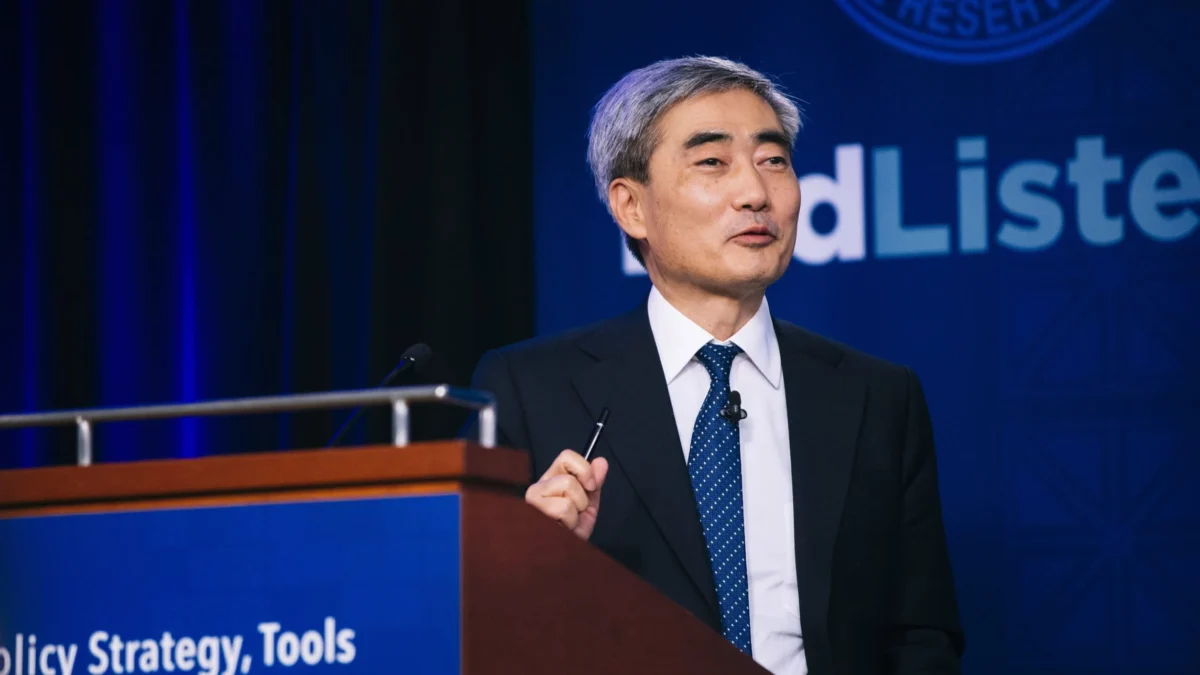
South Korea’s central bank has appointed Rhee Chang-yong as its new governor, a pivotal decision that places a seasoned economist at the helm of the Bank of Korea (BOK) as the nation navigates a complex global economic landscape marked by persistent inflation, geopolitical uncertainties, and the ongoing transition towards a digital economy.
The confirmation of Rhee Chang-yong’s nomination heralds a new chapter for the Bank of Korea, positioning a figure with extensive experience in monetary policy and financial stability to guide the nation’s economic trajectory. His appointment comes at a critical juncture, where the BOK faces the delicate balancing act of curbing inflationary pressures without stifling economic growth, a challenge amplified by external factors such as volatile energy prices and potential disruptions to global supply chains.
Rhee, a distinguished economist with a career spanning academia and public service, brings a wealth of knowledge to the governor’s office. His prior roles, including his tenure as a senior official at the International Monetary Fund (IMF) and his contributions to various economic advisory bodies, have equipped him with a profound understanding of both domestic and international economic dynamics. This background is expected to inform his approach to monetary policy, emphasizing a data-driven and pragmatic strategy to address the multifaceted economic challenges confronting South Korea.
Navigating Inflationary Headwinds and Growth Imperatives
The immediate priority for Governor Rhee will be to tackle the elevated inflation that has become a global concern. South Korea, like many advanced economies, has witnessed a significant surge in consumer prices, driven by a confluence of factors including pent-up demand following pandemic-related lockdowns, supply chain bottlenecks, and the geopolitical ramifications of the conflict in Ukraine, which has led to sharp increases in energy and commodity costs.
The BOK’s monetary policy toolkit will be under close scrutiny. Raising interest rates is a primary lever for combating inflation, but such measures can also dampen domestic consumption and investment, potentially slowing down economic expansion. Rhee’s challenge will be to calibrate the pace and magnitude of any policy adjustments to achieve price stability while safeguarding the country’s growth momentum. This requires a nuanced understanding of the current economic conditions, including the resilience of the labor market, the health of the corporate sector, and the spending patterns of households.
Analysts anticipate that Rhee will likely adopt a cautious and adaptive approach. He is expected to closely monitor incoming economic data, including inflation reports, employment figures, and business sentiment surveys, to inform his decisions. A gradual and predictable path for interest rate adjustments could help to anchor inflation expectations and provide clarity to businesses and consumers, thereby minimizing market volatility. The BOK’s forward guidance will also be a crucial communication tool, signaling its intentions and helping to manage market reactions.
The Evolving Landscape of Financial Stability
Beyond inflation, Governor Rhee will inherit the ongoing responsibility of ensuring financial stability. The global financial system is constantly evolving, with new risks emerging from areas such as cybersecurity, climate change, and the rapid expansion of digital finance. South Korea, a highly digitized economy, is particularly exposed to these trends.
Rhee’s expertise in financial sector regulation and supervision will be invaluable in this regard. He will need to oversee the BOK’s efforts to strengthen the resilience of the financial system against potential shocks. This includes monitoring the leverage of financial institutions, assessing the risks associated with household debt, and ensuring the robust functioning of payment systems. The increasing prevalence of cryptocurrencies and other digital assets also presents new regulatory challenges that will require careful consideration to balance innovation with the need for financial stability.
Furthermore, the BOK plays a crucial role in overseeing the country’s payment and settlement systems. As financial transactions become increasingly digitalized, maintaining the integrity and efficiency of these systems is paramount. Governor Rhee will likely champion initiatives to enhance the security and reliability of these infrastructure, ensuring they can support the evolving needs of the economy.
Geopolitical Risks and Global Economic Interdependencies
The South Korean economy is deeply integrated into the global trading system, making it susceptible to international economic and geopolitical developments. The ongoing tensions between major global powers, trade protectionism, and the potential for further supply chain disruptions pose significant risks to South Korea’s export-oriented economy.
Governor Rhee will need to factor these external uncertainties into the BOK’s policy considerations. This may involve assessing the potential impact of global economic slowdowns on South Korea’s export demand, the implications of commodity price volatility for domestic inflation, and the risks associated with capital flows and exchange rate fluctuations. The BOK’s ability to communicate effectively with international counterparts and to participate in global economic forums will be vital in navigating these complex external challenges.
The relationship between South Korea and its key trading partners, particularly China and the United States, will remain a significant determinant of its economic performance. Any shifts in these relationships, whether through trade disputes or geopolitical realignments, could have substantial repercussions for the Korean economy. Governor Rhee will need to maintain a keen awareness of these dynamics and their potential impact on monetary policy.
The Future of Monetary Policy and Digital Transformation
The global central banking community is increasingly exploring the potential of central bank digital currencies (CBDCs). South Korea is among the nations actively researching and experimenting with CBDCs. Governor Rhee’s tenure may see further progress in this area, as the BOK assesses the feasibility and implications of issuing its own digital currency. A CBDC could potentially offer benefits such as increased payment efficiency, enhanced financial inclusion, and improved monetary policy transmission mechanisms, but it also presents a range of technical, legal, and societal challenges that need to be thoroughly addressed.
The BOK’s role in fostering innovation while maintaining stability will be a defining aspect of Rhee’s leadership. This includes supporting the development of a robust digital financial ecosystem that can drive economic growth and create new opportunities, while simultaneously ensuring that such advancements do not introduce systemic risks.
Leadership and Economic Vision
Rhee Chang-yong’s appointment signifies a commitment to a technocratic and experienced leadership at the Bank of Korea. His academic background and his extensive experience in international economic institutions suggest a policy approach grounded in rigorous analysis and a deep understanding of macroeconomic principles.
His ability to communicate effectively with the public, the financial markets, and policymakers will be crucial in building confidence and fostering a stable economic environment. Transparency in the BOK’s decision-making process and clear communication of its policy objectives are essential for managing expectations and ensuring the smooth functioning of the economy.
The coming years will undoubtedly be a period of significant economic evolution for South Korea. Under Governor Rhee’s stewardship, the Bank of Korea will be tasked with steering the nation through these challenges, aiming to achieve sustainable economic growth, price stability, and financial resilience in an increasingly complex and interconnected global landscape. His leadership will be instrumental in shaping South Korea’s economic future, balancing the immediate demands of inflation control with the long-term imperative of fostering innovation and sustainable prosperity. The nation will be closely watching his strategic decisions as he assumes this critical role.




 Aura Kasih
 Safa Marwah
 Ayu Aulia