Lisa Mariana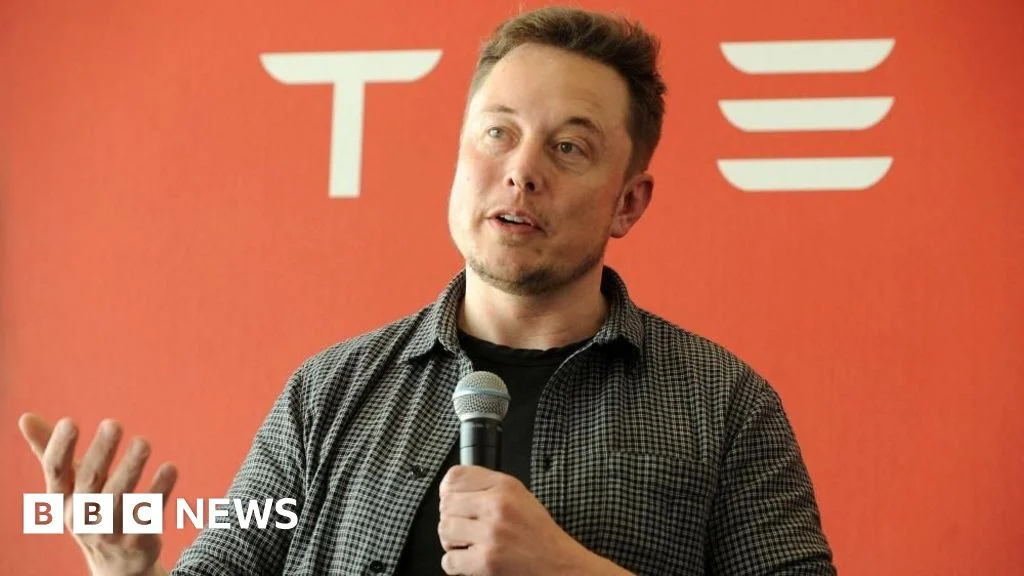
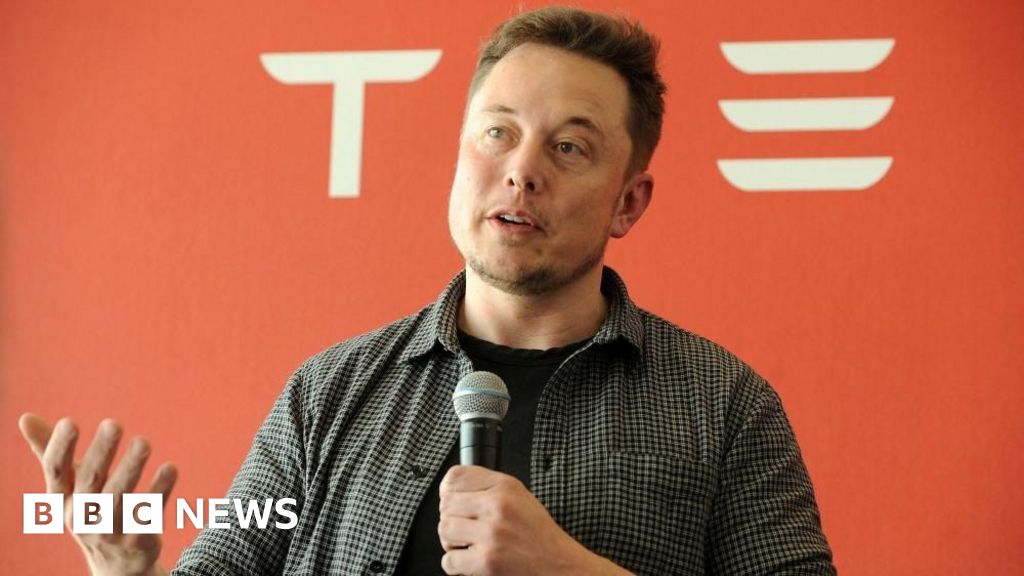
A federal jury in San Francisco has delivered a landmark verdict, finding that technology magnate Elon Musk engaged in misleading conduct through his public pronouncements during the tumultuous 2022 acquisition of Twitter, thereby negatively impacting investor interests. Following two days of intensive deliberations, the unanimous decision from the twelve-person panel represents a significant legal setback for Musk, underscoring the formidable responsibilities that public figures, particularly those with substantial market influence, bear in their communications. The ruling emerged from a class-action lawsuit initiated by a collective of Twitter shareholders who contended that they suffered financial losses due to their reliance on Musk’s public statements throughout the critical takeover period.
The core of the legal challenge revolved around a series of public declarations made by Musk between May and October 2022, a time when his proposed $44 billion acquisition of the social media platform was shrouded in uncertainty. Investors alleged that Musk’s assertions regarding a purported proliferation of fake accounts, or "bots," on Twitter, coupled with his announcements that the deal was "on hold" and his subsequent attempt to withdraw from the agreement entirely, intentionally depressed the company’s stock value. This manufactured uncertainty, they argued, compelled shareholders to make financially detrimental decisions, selling shares at prices significantly lower than what Musk ultimately paid for the company.
During his testimony earlier this month, Musk staunchly defended his actions, asserting that his public comments and tweets were not designed to mislead and that individuals simply misinterpreted his intentions. He maintained that his concerns about Twitter’s user metrics, specifically the percentage of monetizable daily active users (mDAU) that were genuinely human, were legitimate and transparent expressions of his due diligence. However, the jury, after careful consideration of the evidence presented, concluded otherwise. Their findings specifically pinpointed certain public claims made by Musk regarding problems in Twitter’s user metrics and his declared wavering on the acquisition deal as demonstrably and intentionally misleading.
Neither the legal representatives for Musk nor those for the plaintiff investors, spearheaded by Brian Belgrave, an Oregon-based small-business owner, immediately responded to requests for comment following the verdict. This silence, while typical in high-stakes litigation, highlights the gravity of the outcome and the potential for further legal maneuverings, including appeals.
This recent legal entanglement is not an isolated incident for Musk, who has previously faced scrutiny and legal challenges over his social media activity. Notably, in 2023, he successfully fended off a lawsuit brought by Tesla shareholders who accused him of misleading them with posts related to the electric vehicle company. That previous victory, however, stands in stark contrast to the current ruling, suggesting a crucial distinction in the legal interpretation of his statements within the context of an active acquisition. The differing outcomes underscore the nuanced and context-dependent nature of securities law, where the intent and impact of public statements can vary dramatically depending on the specific circumstances and timing.
The San Francisco jury’s verdict determined that Musk’s public statements artificially suppressed the price of Twitter’s stock, causing a reduction ranging from approximately $3 to $8 per share during the five-month period between May and October 2022. This finding is crucial for the calculation of damages, as it establishes a quantifiable loss directly attributable to Musk’s conduct. Consequently, each investor participating in the class action is now positioned to receive potentially thousands of dollars in compensation for their documented losses, representing a tangible financial consequence for the tech mogul.
Monte Mann, a trial attorney specializing in business litigation at Armstrong Teasdale, offered a concise yet profound assessment of the verdict’s broader implications. "If you move the market with your words, you own the consequences," Mann stated, encapsulating the core principle affirmed by the jury’s decision. This statement resonates deeply within the financial and legal communities, serving as a stark reminder to corporate leaders and influential figures about the legal liabilities associated with their public discourse, especially when it pertains to market-sensitive information.
The tumultuous journey of the Twitter acquisition began around May 2022, when Musk initiated a series of tweets expressing skepticism about Twitter’s reported user data, particularly the prevalence of "spam bots" or fake accounts. He subsequently declared the $44 billion deal "on hold" pending further verification of these metrics, before ultimately announcing his intention to terminate the agreement altogether. This dramatic shift sent shockwaves through the market, causing Twitter’s stock price to plummet. In response, Twitter’s board took legal action against Musk to compel him to honor the original agreement. Facing a looming court battle that legal experts believed he was likely to lose, Musk reversed course in early October, proceeding with the acquisition at the initially agreed-upon price. The social media platform was subsequently rebranded as X in the following year.
The period of uncertainty between May and October 2022 proved financially devastating for many Twitter investors, including Belgrave, who had purchased and sold shares during this volatile interval. Belgrave’s testimony earlier in the month provided a vivid account of his predicament, explaining how he sold thousands of Twitter shares in July 2022, convinced by Musk’s public posts and comments that the acquisition was no longer going to materialize. The price at which Belgrave sold his shares was not only below his purchase price from a few months prior but also significantly less than the $54.20 per share Musk ultimately paid. "I got screwed," Belgrave recounted to the jury, adding, "I got cheated." His sentiment echoed that of many other investors who felt manipulated by the public narrative surrounding the acquisition.
During his appearance before the jury, Musk adopted a combative posture with the lawyers representing the class of investors. He frequently refused to provide simple "yes" or "no" answers, repeatedly arguing that the attorneys were attempting to mislead the jury with their questioning. At one point, in a moment of apparent concession or frustration, Musk remarked, "If this was a trial on whether I’ve made stupid tweets, I’d say I’m guilty." While this comment acknowledged his often-unconventional communication style, it failed to sway the jury from its ultimate conclusion that his statements went beyond mere "stupidity" and crossed into the realm of intentional misrepresentation with financial consequences.
The verdict carries significant implications for corporate governance and the regulation of information in the digital age. It reinforces the principle that executives, particularly those with a global platform and immense market influence, cannot leverage social media to disseminate information that knowingly or recklessly misleads investors. This case highlights the evolving challenges in defining and enforcing accountability in an era where market-moving statements can be made instantaneously and informally through platforms like X, often bypassing traditional regulatory channels designed for corporate disclosures.
Legal scholars suggest that this ruling could lead to increased scrutiny from regulatory bodies, such as the Securities and Exchange Commission (SEC), regarding the content and intent behind executives’ social media posts. It may also embolden other investor groups to pursue similar litigation if they believe their financial interests have been harmed by misleading public statements. The outcome serves as a powerful precedent, emphasizing that the informal nature of social media does not absolve corporate leaders of their legal and ethical obligations to maintain transparency and accuracy when their words can directly impact stock market valuations and investor confidence.
Looking ahead, the financial ramifications for Elon Musk could be substantial, extending beyond the immediate damages awarded to this class of investors. The verdict could open the door to further legal actions or regulatory penalties. Moreover, it underscores a growing legal landscape where the line between personal opinion and market-moving information is increasingly blurred, especially for figures like Musk whose every pronouncement is closely watched by millions of investors worldwide. This case solidifies the notion that in the digital era, the "consequences" of moving the market with words are very real and can be legally enforced.




 Aura Kasih
 Safa Marwah
 Ayu Aulia