Aura Kasih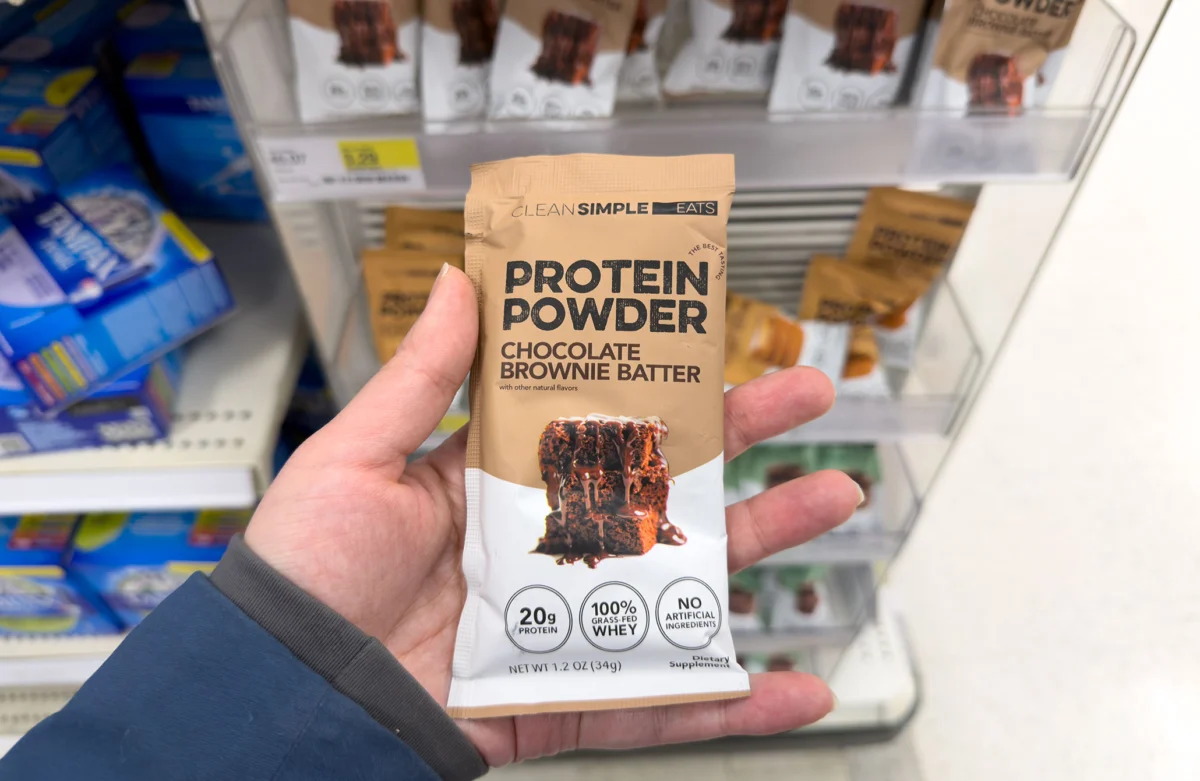
In the ever-shifting landscape of health and wellness, one macronutrient consistently holds its ground, often elevated to a near-mythical status: protein. This article delves into the pervasive influence of protein, from the burgeoning trend of "boy kibble" to the widespread marketing of protein-enhanced products, exploring the scientific underpinnings, the cultural drivers, and the potential pitfalls of this pervasive dietary fixation.
The digital realm is awash with content dedicated to protein, a phenomenon that extends from niche fitness communities to mainstream social media feeds. A particularly striking example of this trend is the emergence of "boy kibble," a culinary creation characterized by its stark simplicity: ground beef and white rice. Proponents laud this dish for its high protein content, affordability, and ease of preparation, positioning it as a utilitarian staple for those seeking to maximize their protein intake. This trend aligns with a broader movement often categorized as "slop bowls"—meals designed for nutritional density rather than aesthetic appeal, prioritizing macronutrient profiles over culinary artistry. The prevalence of detailed calorie and macronutrient breakdowns accompanying these dishes underscores a growing emphasis on quantifiable health metrics, with protein often taking center stage, ranging from 30 to over 80 grams per serving. This intense focus on protein is not an isolated phenomenon; it reflects a wider dietary philosophy that has given rise to products like meal replacement shakes (e.g., Huel, Soylent), specialized protein bars, and even protein-fortified breakfast pastries. In the contemporary wellness paradigm, while fats are often viewed with suspicion and carbohydrates are frequently demonized, protein has ascended to become the favored macronutrient, driving a significant segment of the health and nutrition market.

The unwavering popularity of protein can be attributed, in part, to its scientifically validated roles in human physiology. Protein is a fundamental component of satiety, promoting a prolonged feeling of fullness, which can be instrumental in weight management strategies. It is indispensable for the synthesis and repair of muscle tissue, a process critical for physical performance and recovery. Beyond musculature, protein is vital for maintaining the integrity of other bodily structures, including skin, bone, nails, and hair. Its functions extend to hormonal regulation, immune system support through antibody production, and the transportation of oxygen throughout the body. Consequently, protein is often accurately described as the body’s essential building block.
Healthcare professionals frequently recommend prioritizing protein intake to address a range of health concerns. For individuals aiming for weight loss, increased protein consumption, alongside fiber, can enhance satiety and slow digestion. In the management of prediabetes and diabetes, pairing carbohydrates with protein and fiber-rich foods is a common strategy to mitigate postprandial glucose spikes. Similarly, individuals utilizing GLP-1 receptor agonist medications are often advised to ensure adequate protein intake to minimize the risk of muscle mass loss during weight reduction.
The wellness industry, however, often extrapolates these established truths, twisting them into a pursuit of "optimal" protein intake, a concept popularly termed "proteinmaxxing." While bodybuilders and athletes have long recognized the importance of protein, the cultural climate of recent years has amplified its appeal to a broader demographic. The increasing adoption of GLP-1 medications, the resurgence of slender physiques as an aesthetic ideal, and the growing influence of "looksmaxxing" trends among younger generations have all contributed to a heightened willingness to pursue extreme dietary and lifestyle modifications. Social media platforms have played a pivotal role in disseminating this protein-centric narrative, providing influencers with vast platforms to propagate their advice.

A significant pitfall within the "proteinmaxxing" approach is the neglect of other essential macronutrients and micronutrients. This imbalance can lead to dietary patterns that, while high in protein, may lack crucial vitamins, minerals, and fiber. The relentless promotion of protein-centric diets, often framed as the fastest or easiest path to achieving specific health or aesthetic goals, can result in skewed dietary habits. This can manifest in extreme "slop bowl" creations, where protein sources are heavily emphasized at the expense of nutrient-dense vegetables and fruits. While the direct harm from consuming excessive protein in isolation may not always be immediately apparent, the long-term consequences of an unbalanced diet can be significant.
The scientific community offers a more nuanced perspective on protein consumption. While there appears to be no strict upper limit to protein absorption, expert consensus suggests that the human body can effectively process approximately 20 to 40 grams of protein per single meal. Exceeding these thresholds may not confer additional benefits and could, in some instances, lead to adverse effects. Protein overconsumption has been linked to potential health risks, including an increased incidence of kidney stones, elevated liver fat, and heightened cardiovascular risk, depending on the primary sources of protein consumed. The most significant concern with extreme protein focus is the displacement of other vital food groups, leading to deficiencies in essential nutrients and fiber.
Recent shifts in governmental dietary guidelines have, in some regions, amplified the focus on protein. For instance, new recommendations have nearly doubled the previously advised protein intake for a significant portion of the population. This adjustment has been framed by some as an effort to "end the war on protein," suggesting a historical underemphasis on this macronutrient. However, this narrative often overlooks the reality that many individuals in developed nations already meet or exceed recommended protein intake levels, with consumption rates often at an all-time high.

The marketing landscape has responded vigorously to this heightened protein awareness, a phenomenon often described as "protein washing." This involves infusing a wide array of food products with added protein, regardless of their inherent nutritional value or traditional composition. This trend is evident across grocery store aisles, from breakfast pastries and frozen pizzas to snacks and beverages. The addition of protein concentrates to otherwise ultra-processed foods, such as traditional pastries, does not fundamentally alter their classification as treats to be consumed in moderation. The allure of "protein-enhanced" versions of familiar comfort foods can be a powerful marketing tool, leading consumers to believe they are making healthier choices when the underlying product remains largely the same, merely with an added protein boost.
The pervasive marketing of protein-fortified products can foster a sense of "protein paranoia" among consumers. In a climate where the message "more protein is always better" is prevalent, any news or development related to protein products can trigger significant anxiety, even when the concerns are nuanced or based on extreme testing parameters. Investigations into the presence of heavy metals in protein powders, for example, often highlight important regulatory gaps in the supplement industry. However, the interpretation of such findings can be distorted by the prevailing protein fixation. Toxicity is dose-dependent, and when testing methodologies employ highly stringent thresholds, such as those based on specific state regulations, the reported levels may not reflect typical consumption patterns or align with broader international safety guidelines. This can lead to confusion and unwarranted fear regarding the safety of widely consumed protein supplements.
The discourse surrounding the protein content of food products is further complicated by issues in nutrition labeling and regulation. For instance, a recent class-action lawsuit targeting a popular protein bar alleged significant discrepancies between its advertised macronutrient profile and its actual content. While such allegations warrant investigation into the accuracy of labeling practices, it is crucial to distinguish between deliberate misrepresentation and the complexities of scientific testing methodologies. The development of novel ingredients, such as fat substitutes that may not be metabolized by the body but can register in certain testing procedures, can lead to discrepancies that require careful scientific and regulatory evaluation.

At its core, the contemporary obsession with protein stems from a genuine desire for improved health and well-being. However, individuals seeking reliable health information online are often inundated with influencer-driven narratives and misleading marketing campaigns that prioritize engagement and sales over nuanced scientific understanding. While protein is undeniably a vital nutrient, expert consensus emphasizes the importance of a balanced diet that includes a variety of macronutrients, micronutrients, and fiber. The algorithms that drive social media platforms and the business models of many wellness brands tend to favor simplistic solutions and sensationalized content, often at the expense of balanced dietary advice.
The proliferation of "proteinmaxxing" and "protein washing" ultimately contributes to a distorted understanding of nutrition, fostering anxiety and driving consumers toward potentially imbalanced dietary choices. While the pursuit of optimization is a natural human inclination, it is essential to approach wellness trends with a critical perspective. A balanced dietary approach, incorporating a variety of whole foods and prioritizing nutrient density across all macronutrient groups, remains the most sustainable and scientifically supported pathway to long-term health. The temptation to find a singular "magic bullet" nutrient like protein should be tempered by an understanding of the intricate interplay of all essential dietary components. Ultimately, a well-rounded approach to nutrition, grounded in scientific evidence and tempered by a healthy dose of skepticism towards extreme trends, is the most prudent path forward.




 Safa Marwah
 Ayu Aulia
 Lisa Mariana