Lisa Mariana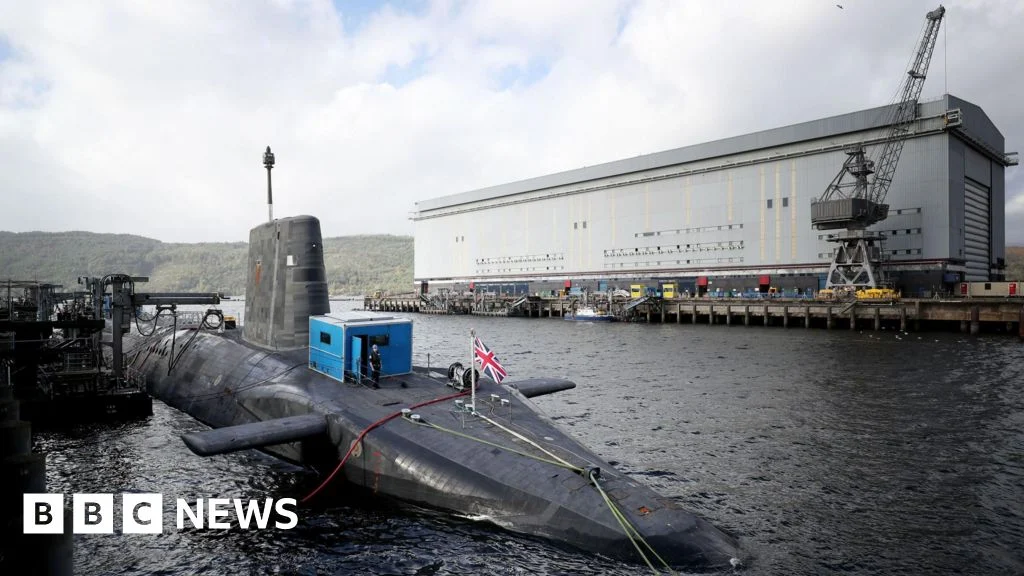
Authorities have apprehended an individual identified as an Iranian national, alongside a female companion, following an attempted unauthorized entry into Her Majesty’s Naval Base Clyde, a facility housing the United Kingdom’s strategic nuclear deterrent, triggering a high-level security investigation. The incident, which occurred at approximately 17:00 on Thursday, underscores the persistent and evolving threats faced by critical national infrastructure, particularly in an era of escalating global geopolitical tensions.
Police Scotland confirmed the arrest of a 34-year-old man and a 31-year-old woman at the heavily fortified military installation near Helensburgh, Argyll and Bute. While the man’s nationality has been confirmed as Iranian, the woman’s nationality remains undisclosed by officials. The Royal Navy, responsible for the base’s security, stated that the suspects "unsuccessfully attempted" to gain access, affirming that the matter is now subject to an ongoing, multi-agency investigation. Both Police Scotland and the Royal Navy have refrained from providing further details, citing the active nature of their inquiries. This immediate and guarded response highlights the extreme sensitivity surrounding any security breach or attempted breach at a site of such paramount national importance.
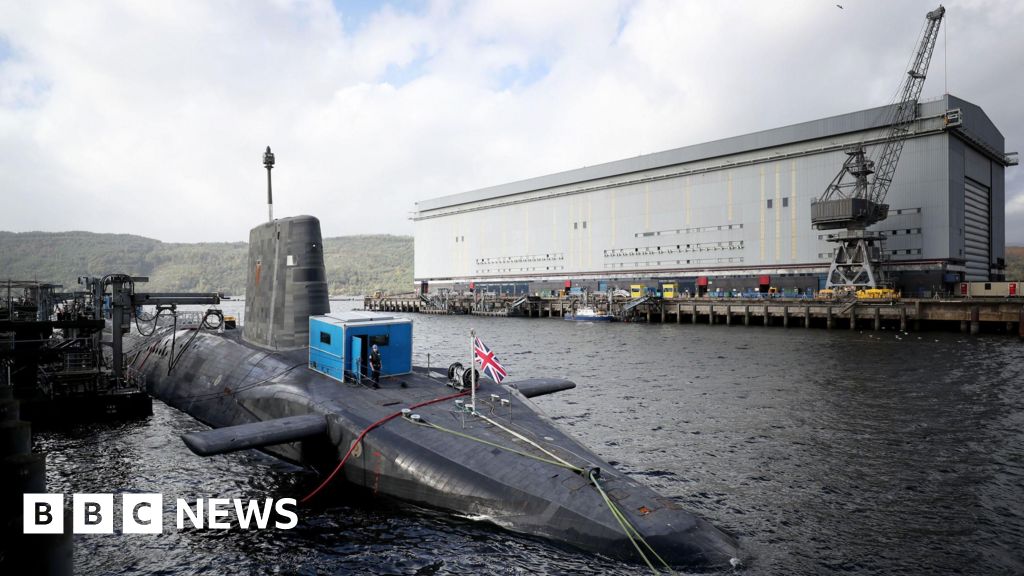
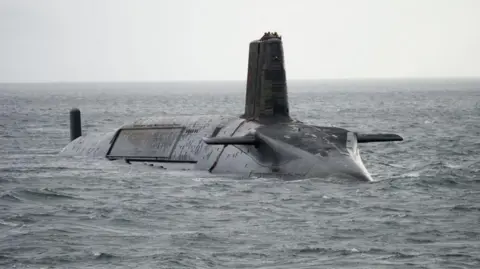
HM Naval Base Clyde, commonly known as Faslane, serves as the operational hub for the entire Royal Navy submarine service and is the cornerstone of the UK’s defense posture. It is home to the four Vanguard-class ballistic missile submarines, which are the sole platforms for the nation’s Trident nuclear missiles, forming the Continuous At-Sea Deterrence (CASD). This policy, maintained since 1969, ensures that at least one nuclear-armed submarine is on patrol at all times, providing a credible and robust deterrent against potential adversaries. Beyond the Vanguard fleet, Faslane also hosts the Astute-class nuclear-powered attack submarines, further solidifying its status as a pivotal strategic asset. The proximity of the Royal Naval Armaments Depot (RNAD) Coulport, where the UK’s stock of nuclear warheads is stored, amplifies the critical security profile of the entire Clyde naval complex.
The attempted intrusion at Faslane occurs amidst a backdrop of significantly elevated global security concerns, particularly those emanating from the Middle East. Iran has recently been implicated in a series of retaliatory actions against Israel and various US-allied states in the Gulf region, reflecting a volatile geopolitical landscape. While officials have not explicitly linked the Faslane incident to these broader tensions, the nationality of one of the arrested individuals inevitably prompts questions regarding potential state-sponsored motives, intelligence gathering, or acts of defiance. Such an event at a Western nuclear facility could be perceived as a highly provocative act, regardless of its ultimate intent.
Prime Minister Sir Keir Starmer recently acknowledged the heightened threat environment, stating that the UK had "stepped up protections for British bases and personnel to their highest level." However, the scope of this enhanced security – whether it applies solely to overseas installations in the Middle East and Mediterranean or extends to all domestic and international bases – remains somewhat ambiguous. The incident at Faslane strongly suggests that domestic critical infrastructure, particularly those linked to nuclear capabilities, is now under intensified scrutiny and protection. This situation demands a comprehensive review of existing security protocols and intelligence assessments to preempt future threats.
Security at a facility like Faslane is multi-layered and exceptionally stringent, designed to deter and detect any unauthorized approach. It encompasses sophisticated electronic surveillance systems, robust physical barriers, regular patrols by specialized military police and security personnel, and strict access control procedures for all personnel and visitors. The fact that an attempt, albeit unsuccessful, was made to penetrate these defenses will undoubtedly trigger an immediate and thorough review of all security measures. The investigation will seek to ascertain how the individuals managed to reach the perimeter, their methods of attempted entry, and whether there were any vulnerabilities exploited or intelligence gaps that need addressing. For any breach, even an unsuccessful one, at a site housing nuclear assets, carries significant national security implications, potentially revealing weaknesses that could be exploited by more determined and sophisticated actors.
The motivations behind such an attempted entry can be complex and varied. Investigators will be exploring possibilities ranging from amateur curiosity or protest to more sinister objectives such as espionage, reconnaissance for future operations, or even an attempt at symbolic disruption to demonstrate capability or sow discord. Given the current geopolitical climate and the Iranian national’s involvement, the possibility of state-directed or state-supported activity cannot be dismissed without a thorough intelligence assessment. Establishing intent will be crucial in determining the severity of any charges and the broader implications for international relations.
Past incidents at Faslane, primarily involving anti-nuclear proliferation activists from groups like the Campaign for Nuclear Disarmament (CND), have historically tested the base’s security. A peace camp has been maintained just outside the site since 1982, regularly staging protests and sometimes attempting symbolic breaches. While these actions are typically characterized by civil disobedience rather than malicious intent, they highlight the enduring challenge of securing such a prominent and symbolically charged location. The current incident, however, carries a different gravitas due to the explicit involvement of a foreign national from a state currently in significant geopolitical tension with Western powers. This shifts the potential threat assessment from domestic protest to potential foreign interference or intelligence gathering.
The legal framework surrounding attempted breaches of military installations in the UK is robust. The individuals involved could face a range of serious charges, including trespass on a prohibited place, breaches of the Official Secrets Act, or other offenses related to national security, depending on the evidence gathered regarding their intent and actions. The investigation will likely involve close cooperation between Police Scotland, the Royal Navy Police, and potentially intelligence agencies such as MI5 and MI6, given the national security implications. This collaborative approach is essential for piecing together the full picture, including the individuals’ backgrounds, their travel history, any known affiliations, and the digital forensics of their devices.
Looking ahead, this incident will undoubtedly influence the UK’s defense and intelligence priorities. It serves as a stark reminder of the persistent need for vigilance against both conventional and asymmetric threats to critical national infrastructure. As the UK moves towards replacing its Vanguard-class submarines with the new Dreadnought-class after 2030, ensuring the security of these future platforms and their operational bases will remain paramount. The incident could also prompt a re-evaluation of intelligence sharing protocols with international partners, particularly concerning individuals from states deemed potential adversaries.
In an increasingly interconnected and volatile world, the security of nuclear deterrents transcends national borders, impacting global stability. Any attempt to compromise such facilities, regardless of its success, sends ripples through international security communities. The ongoing investigation into the Faslane incident will therefore be closely watched, not just within the UK, but by allied nations and potential adversaries alike, as it may offer insights into evolving threat landscapes and the persistent challenges of maintaining impregnable security at the heart of national defense. The enduring requirement for robust, adaptable security measures and proactive intelligence gathering remains a cornerstone of protecting the UK’s strategic interests and its vital assets.




 Aura Kasih
 Safa Marwah
 Ayu Aulia