Lisa Mariana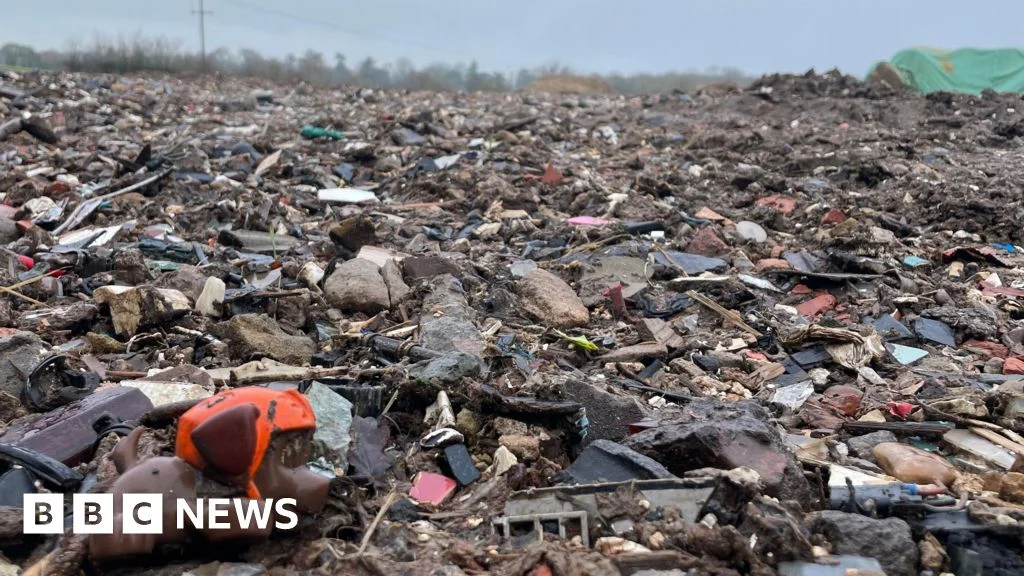
A significant governmental initiative has been unveiled to tackle some of England’s most egregious illegal waste sites, signaling a direct commitment to environmental restoration and public welfare. This comprehensive strategy, spearheaded by the Environment Agency (EA), will see the remediation of vast illicit dumps, with the financial burden largely borne by the national exchequer. The move marks a critical escalation in the fight against pervasive waste crime, acknowledging the immense scale of the problem and the often-insurmountable costs faced by private landowners.
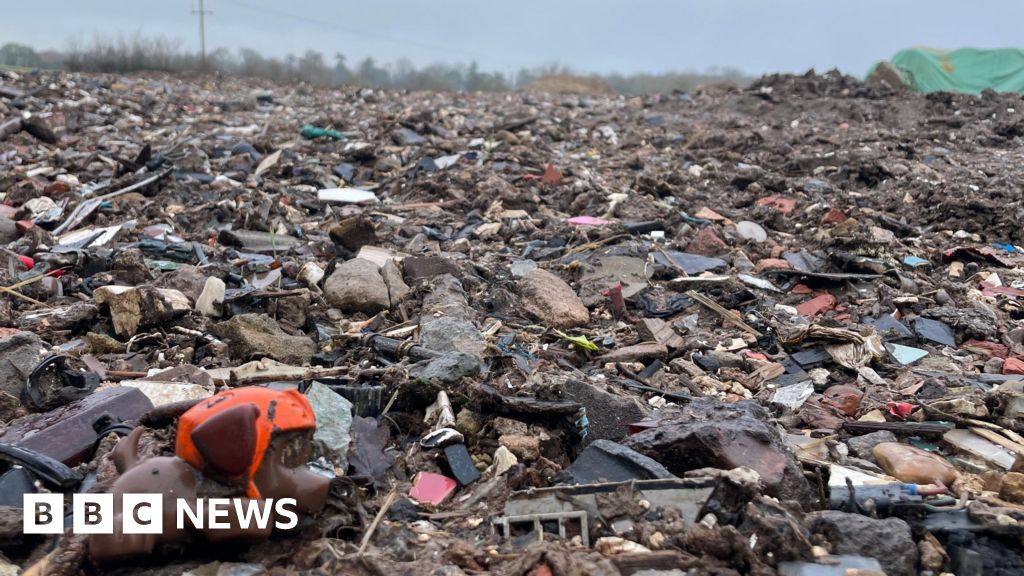
The newly announced action plan prioritizes the clearance of three particularly notorious "supersites" located across England – specifically in Wigan, Sheffield, and Lancashire. These locations collectively harbor an estimated 48,000 tonnes of illegally deposited refuse, posing substantial environmental and public health risks. This urgent intervention follows the ongoing clearance of a 20,000-tonne site in Kidlington, Oxfordshire, a monumental undertaking that has already incurred costs exceeding £9 million. Traditionally, the responsibility and financial liability for removing illegally dumped materials on private property have rested with the respective landowners. The government’s decision to underwrite these particular clean-up operations signifies a shift in approach, recognizing the extraordinary scale and complexity of these specific instances of environmental degradation.
The Escalating Challenge of Waste Crime
Waste crime, encompassing illegal dumping, unauthorized waste sites, and illicit waste processing, represents a multi-faceted and growing challenge in the United Kingdom. It is not merely an aesthetic blight but a sophisticated criminal enterprise with far-reaching consequences. Organized crime groups are increasingly involved, drawn by the substantial profits to be made from evading legitimate waste disposal costs, which include landfill tax and regulatory compliance fees. This illicit industry undermines legitimate businesses, pollutes natural habitats, poses significant health risks to communities, and deprives the public purse of substantial tax revenues.
The financial scale of waste crime is considerable. Estimates suggest that it costs the English economy hundreds of millions of pounds annually, both through lost tax revenue and the direct costs associated with investigation, enforcement, and remediation. Beyond the economic impact, the environmental damage is profound. Illegally dumped waste can contaminate soil and water supplies with hazardous chemicals, release noxious gases, attract vermin, and create fire hazards, often disproportionately affecting vulnerable communities situated near these sites.
Specific Hotspots and Community Distress
Among the sites earmarked for immediate clearance is a particularly infamous dump in Bickershaw, near Wigan. This location gained national attention last summer when a major fire erupted, leading to the closure of nearby educational institutions and the evacuation of residents due to severe air quality concerns. The lingering stench and visual blight have significantly impacted local residents. Nicha Rowson, a local beautician whose business operations were disrupted by the pervasive odor, expressed profound relief at the news, stating it was "amazing news" for the long-suffering community. However, her sentiment was tempered by frustration regarding the protracted timeline for intervention and the fact that the perpetrators have yet to face prosecution, leaving taxpayers to foot the substantial clean-up bill. This highlights a critical tension: while relief is palpable, questions of justice and accountability remain prominent.
The other two primary sites targeted for intervention include a colossal 20,000-tonne accumulation on an industrial plot in Sheffield and a 10,000-tonne repository in Hyndburn, Lancashire. While the precise financial commitment for these forthcoming clean-ups has not yet been disclosed by the government, detailed site-specific evaluations are currently underway to ascertain logistical feasibility and projected expenditures before work can commence.
The Unseen "Supersites" and Unaddressed Concerns
Earlier reports this year had brought to light the existence of hundreds of illegal dumps scattered across England, with at least eleven identified as "supersites," each containing over 20,000 tonnes of waste. One such site, located in Over, near Gloucester, has been the subject of considerable local distress. Witnesses reported a staggering volume of activity at its peak, with 30 to 50 vehicles daily contributing to the immense accumulation of refuse. A fire in June 2025 necessitated intervention from the Gloucestershire Fire and Rescue Service, which temporarily curtailed operations at the site, though it remains unsecured.

Charlie Coats, chairman of Highnam Parish Council, voiced significant disappointment and frustration regarding the apparent lack of action at the Over site. He noted that despite a meeting with the Environment Agency, there was "no mention" of Over in the government’s new waste crime action plan. Coats criticized the Agency’s perceived lack of urgency and unhelpful stance, indicating a disconnect between national priorities and local suffering. This divergence underscores the vastness of the problem and the difficult choices faced by authorities in prioritizing interventions. A spokesperson for the Department for Environment, Food and Rural Affairs (Defra) clarified that the selected sites for clearance "represent the most egregious cases," reaffirming an ongoing commitment to tackling all illegal sites through various enforcement measures.
Components of the Enhanced Action Plan
Beyond the immediate clearance of these prominent sites, the government’s new action plan introduces a suite of measures designed to bolster enforcement capabilities and deter future waste crime. A significant financial injection of an additional £45 million over the next three years has been allocated to the Environment Agency, specifically earmarked for strengthening enforcement activities. This funding is intended to enable earlier intervention at large-scale waste sites, empowering officers with the authority to immediately shut down illegal waste operations without prior warning. Operators who defy such shutdown orders will face severe penalties, including potential imprisonment for up to 51 weeks.
The plan also introduces a novel incentive for local authorities: a rebate on landfill tax for any illegally dumped waste they clear from their respective areas. This aims to encourage proactive remediation at a local level, aligning financial incentives with environmental responsibility. Furthermore, to enhance accountability, the Agency will now publicly name and shame illegal waste operators, a measure designed to damage their reputation and deter others. In a move targeting fly-tipping at a smaller scale, drivers caught engaging in such illicit disposal could incur penalty points on their licenses, introducing a direct personal consequence for environmental infractions.
Philip Duffy, Chief Executive of the Environment Agency, emphasized the evolving nature of waste crime, asserting that the agency’s response must correspondingly "move up a gear." He expressed confidence that these new measures would enable them to "stay one step ahead of waste criminals and protect the communities, businesses and environment that they blight."

Broader Implications and Future Outlook
The comprehensive action plan extends its reach to the insurance sector, with Defra indicating its intention to collaborate with the industry to develop more robust insurance policies. These policies would offer improved coverage for farmers, businesses, and landowners, helping to mitigate the substantial financial burden of clearing illegally dumped waste from their properties. This acknowledges that private landowners are often innocent victims of waste criminals and require better protective mechanisms.
Environment Secretary Emma Reynolds underscored the government’s resolute stance, stating that the action plan sends an unequivocal message that waste criminals will "face the full consequence" of their illegal actions. She lamented the long-standing damage inflicted by such criminals upon communities, the countryside, the environment, and the legitimate economy.
This governmental intervention, while welcomed, also raises important questions about the long-term sustainability of such a reactive approach. While clearing existing "supersites" is crucial, the underlying drivers of waste crime must also be addressed. These include the economics of waste disposal, the ease with which illicit operations can be set up, and the challenges of intelligence gathering and prosecution.
The increased funding and powers for the Environment Agency represent a significant step, but the sheer scale and adaptability of organized waste crime mean that continuous vigilance and innovation will be necessary. The effectiveness of naming and shaming, license penalty points, and improved insurance will need to be carefully monitored. Ultimately, a holistic approach that combines robust enforcement, preventative measures, public awareness, and international cooperation will be essential to truly eradicate the blight of illegal waste dumps from the landscape and ensure a cleaner, healthier environment for all. The battle against waste criminality is a protracted one, and this new action plan marks a critical, albeit expensive, escalation in the government’s commitment to winning it.




 Aura Kasih
 Safa Marwah
 Ayu Aulia