Aura Kasih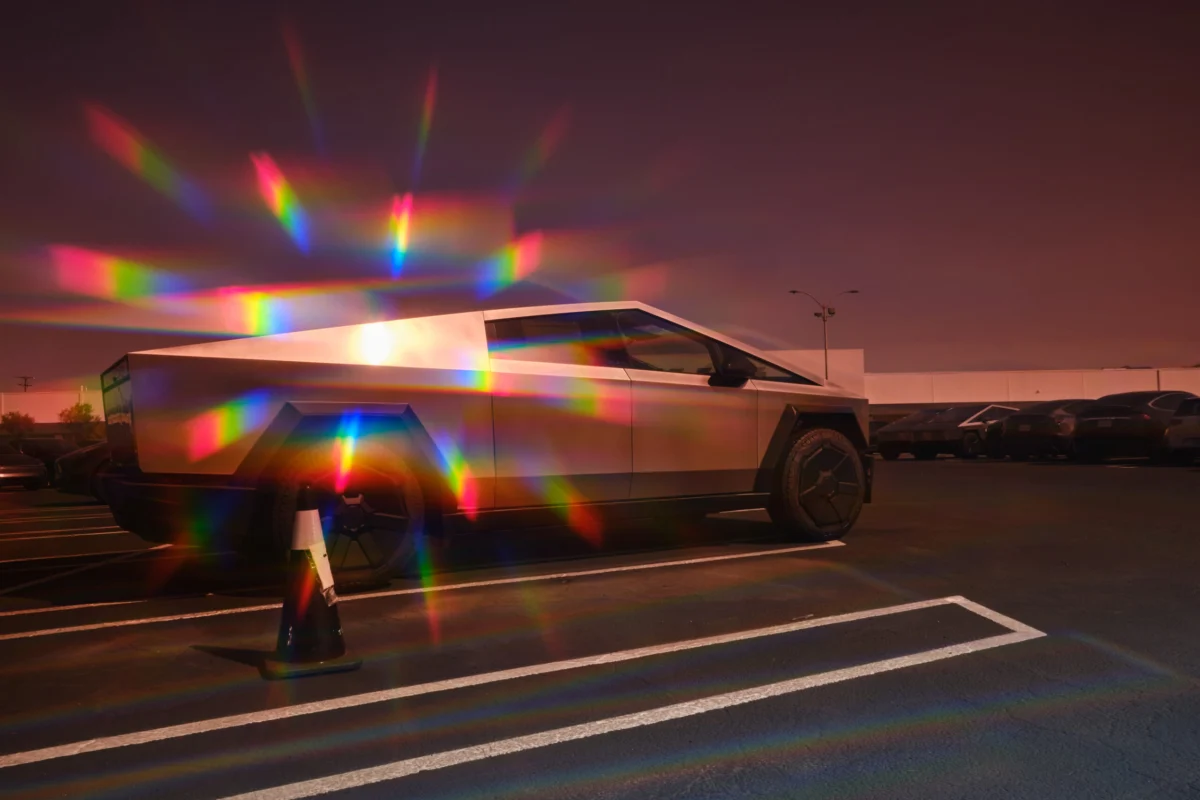
Recent weeks have cast a long shadow over the electric vehicle (EV) sector, raising serious questions for those who envision a fully electrified automotive future. A confluence of decelerating consumer interest and volatile governmental policies has prompted a significant recalibration within the industry, leading automakers to mothball promising new electric models. This trend disproportionately impacts more accessible vehicles, those that held the potential to broaden EV adoption, while ostensibly less practical and prohibitively expensive electric offerings continue to occupy showroom floors and roadways.
The cancellations and significant curtailments are not isolated incidents but signal a broader strategic shift. The Volvo EX30, initially lauded for its stylish design and an anticipated starting price point around $35,000, will not see a 2027 model year introduction in the United States. This decision suggests a reassessment of market penetration strategies for entry-level EVs. Similarly, Chevrolet’s resurrected Bolt EV, a vehicle that had garnered a reputation for affordability and practicality, is slated for a limited 18-month production run. This finite lifespan for a model that offered a more accessible entry into EV ownership raises concerns about the long-term commitment to the mass-market segment. Adding to this pattern, Nissan has announced the discontinuation of the entry-level, 52kWh S trim of its Leaf model in both the U.S. and Canada, leaving only the higher-specification, 75kWh variants available.
These strategic withdrawals from the lower-priced EV segment point towards a prioritization of higher-margin, more premium electric vehicles by established automakers. While these affordable EVs, despite their imperfections, represented crucial stepping stones for broader EV adoption, manufacturers appear to be steering resources away from these lower-profit ventures. General Motors, for instance, while ceasing significant investment in the affordable Bolt, continues to promote its ultra-luxury Cadillac Escalade IQ, a vehicle with a starting price exceeding $127,000 and a considerable curb weight. This dichotomy suggests a market segmentation strategy that focuses on capturing affluent early adopters and buyers of high-end luxury goods, rather than aggressively pursuing widespread EV integration through accessible pricing.
This recalibration also manifests in the performance of polarizing, high-cost electric vehicles. The Tesla Cybertruck, a vehicle that has generated significant debate regarding its design and market appeal, has experienced a notable decline in sales. Reports indicate a 48% decrease in Cybertruck sales in 2025 compared to the preceding year, according to Kelley Blue Book’s annual electric vehicle sales analyses. This performance metric raises questions about the long-term viability and strategic direction of such unconventional vehicle designs. The volatile pricing structure has also been cited as a potential impediment to consistent sales. Tesla recently implemented a substantial price increase of 17% on the All-Wheel Drive (AWD) variant, raising its price to $69,990, a mere ten days after its initial introduction at $59,990. This rapid price adjustment was characterized by industry observers as a "cynical" introduction strategy, potentially aimed at creating artificial urgency rather than reflecting stable market value.
Furthermore, the Cybertruck has become a target for vandalism, with incidents reported in various locations. A recent arrest in North Carolina involving a woman damaging a Cybertruck with a nail-studded board underscores the strong negative sentiment some consumers hold towards the vehicle. This pattern of public disapproval and physical damage suggests a profound disconnect between the vehicle’s design philosophy and widespread consumer acceptance.
In an ideal market scenario, a vehicle exhibiting such adverse market reception and public sentiment would likely see its production scaled back or terminated. However, Tesla’s continued promotion of the Cybertruck, despite its declining sales and negative public perception, suggests a significant investment of brand capital and personal conviction from its leadership. The company has previously discontinued other low-selling EVs that had passed their market prime, such as the Model S and Model X. The continued emphasis on the Cybertruck, which was heavily hyped as a groundbreaking and revolutionary product, may indicate a reluctance to admit strategic missteps in product development and market positioning. When the future trajectory of a technologically advanced vehicle appears uncertain, a pragmatic reassessment of its market role becomes essential.
The broader implications of these market shifts extend beyond individual vehicle models. The current trajectory suggests a potential bifurcation of the EV market. On one end, there is a burgeoning segment of ultra-luxury EVs, catering to a niche demographic willing to pay a premium for advanced technology and distinctive design. On the other, the erosion of affordable EV options raises concerns about the pace of mass-market EV adoption. Without compelling, competitively priced electric vehicles, the transition away from internal combustion engine (ICE) vehicles for the average consumer could be significantly delayed.
Several factors contribute to this complex market dynamic. The global semiconductor shortage, while easing, has had a lingering impact on production costs and timelines. Additionally, the fluctuating price of raw materials essential for battery production, such as lithium and cobalt, introduces volatility into manufacturing expenses. Government incentives and subsidies, which have played a crucial role in stimulating early EV adoption, are also subject to political shifts and budgetary constraints, creating an unpredictable policy landscape for both manufacturers and consumers.
The charging infrastructure remains another critical consideration. While significant investments are being made in expanding charging networks, the current availability and reliability of charging stations, particularly in rural or less densely populated areas, can still be a deterrent for potential EV buyers. The perceived inconvenience of charging, compared to the established refueling infrastructure for gasoline vehicles, remains a significant hurdle for widespread acceptance.
Moreover, consumer education and awareness about EV technology are still evolving. Misconceptions regarding battery life, range anxiety, and maintenance costs persist. Automakers and industry stakeholders face the ongoing challenge of effectively communicating the benefits and practicalities of EV ownership to a broad audience.
The cancellation of affordable EV models also has implications for the environmental goals associated with widespread EV adoption. If the primary drivers of the transition to electric mobility are high-end vehicles, the impact on overall carbon emissions reduction will be less significant than if a substantial portion of the vehicle fleet were to transition to electric power. The potential for increased EV adoption is intrinsically linked to making these vehicles accessible and desirable to a wider economic spectrum of the population.
Looking ahead, the automotive industry faces a critical juncture. Manufacturers must navigate the delicate balance between developing innovative, high-performance EVs and ensuring that these vehicles are attainable for the majority of consumers. Strategic partnerships, advancements in battery technology to reduce costs and improve range, and sustained government support for charging infrastructure development will be paramount. The success of the EV revolution hinges not only on technological prowess but also on the ability to democratize access to electric mobility, ensuring that the future of transportation is not exclusively for the affluent. The current trend of prioritizing expensive, niche EVs over accessible models risks slowing the very transition the industry aims to champion. A more balanced approach, focusing on both innovation and affordability, will be essential to accelerate the widespread adoption of electric vehicles and achieve the ambitious environmental targets set forth by governments and the automotive sector alike. The industry’s capacity to adapt and recalibrate its strategies will ultimately determine whether the electric vehicle revolution fulfills its potential or becomes a slow, uneven march towards an uncertain future.




 Safa Marwah
 Ayu Aulia
 Lisa Mariana