Ridwan Kamil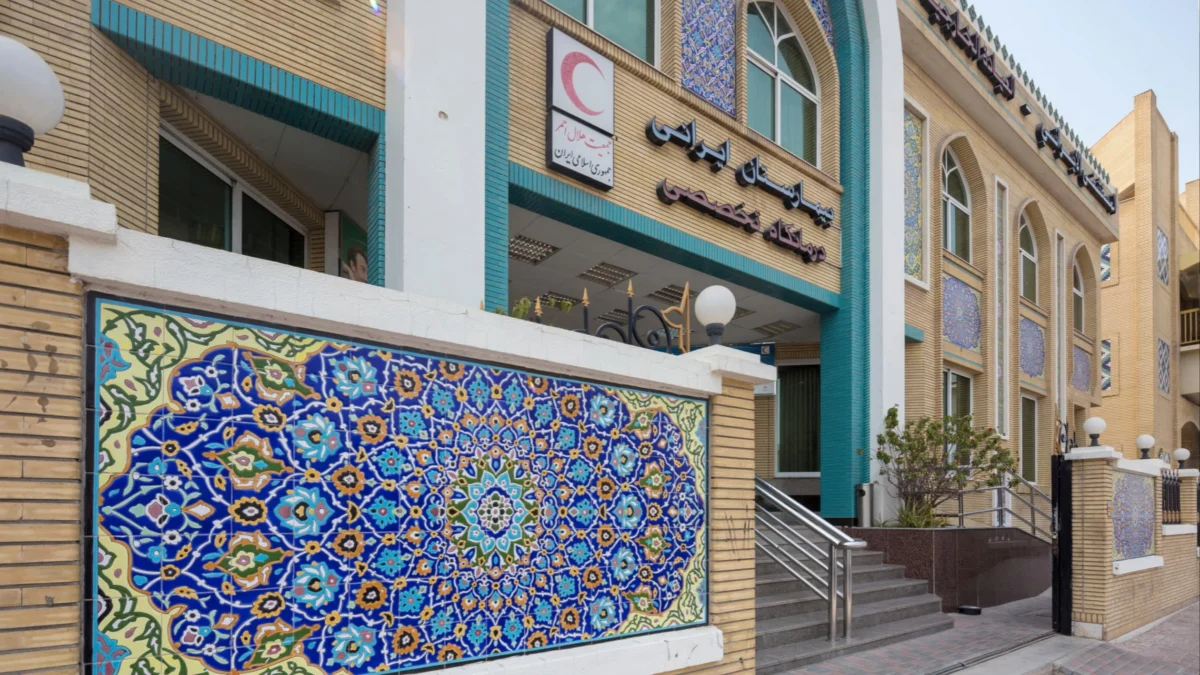
A prominent Iranian medical facility in Dubai has ceased operations, a development occurring as the United Arab Emirates navigates its third consecutive week of heightened regional tensions, signaling a complex interplay of economic, political, and security considerations impacting international business and healthcare infrastructure within the Gulf.
The closure of the Iranian hospital in Dubai, a city renowned for its cosmopolitan appeal and robust healthcare sector, arrives at a critical juncture for the United Arab Emirates. For three weeks running, the nation has been ensnared in an escalating climate of regional instability, a situation that has demonstrably begun to cast a long shadow over its established economic and social fabric. While the immediate reasons for the hospital’s closure have not been officially detailed by its operators, the timing strongly suggests a correlation with the intensifying geopolitical atmosphere. This event is not an isolated incident but rather a potent symbol of the broader challenges facing the UAE and its international partners as they grapple with a volatile regional landscape.
The closure of the Iranian hospital in Dubai serves as a stark indicator of the ripple effects emanating from the current geopolitical turbulence gripping the Middle East. For years, Dubai has cultivated an image as a beacon of stability and a hub for international commerce and services, attracting diverse populations and businesses. The presence of institutions like the Iranian hospital underscored this inclusive environment, catering to a significant expatriate community and facilitating cross-cultural healthcare access. Its shuttering, therefore, is more than just the cessation of a medical service; it represents a tangible consequence of an increasingly precarious regional security situation.
A Shifting Regional Landscape and its Economic Ramifications
The UAE, a nation that has strategically positioned itself as a nexus of global trade and a safe haven for investment, is now confronting a sustained period of heightened regional insecurity. This volatility, characterized by a series of incidents that have disrupted established norms of regional interaction, is forcing a recalibration of risk assessments for businesses operating within the Emirates. The economic implications are multifaceted. Firstly, investor confidence, a crucial component of the UAE’s economic success, can be eroded by persistent instability. Potential investors may perceive increased geopolitical risk, leading to a hesitant approach or a redirection of capital to more stable regions. This can impact foreign direct investment (FDI), a vital engine for economic growth and diversification.
Secondly, the operational costs for businesses can escalate. Increased security measures, potential disruptions to supply chains, and the need for contingency planning all contribute to a higher cost of doing business. For sectors heavily reliant on international connectivity, such as aviation and logistics, prolonged regional tensions can lead to flight diversions, increased insurance premiums, and a general slowdown in trade flows. The hospitality and tourism sectors, also vital pillars of the UAE economy, are particularly vulnerable to shifts in travel advisories and perceptions of safety.
Thirdly, the closure of specific international businesses, like the Iranian hospital, can signal a broader trend of economic recalibration. Such closures may be driven by a combination of factors: a decline in patient numbers due to expatriate departures or a reluctance to access services amidst uncertainty, difficulties in securing essential medical supplies due to logistical challenges, or even proactive decisions by parent organizations to mitigate exposure to perceived risks in the region. The absence of such an institution also has direct implications for the healthcare ecosystem, potentially creating gaps in specialized care and necessitating adjustments for the affected patient population.
The Interconnectedness of Geopolitics and Healthcare Infrastructure
The closure of a healthcare facility, particularly one serving a specific expatriate community, highlights the often-underestimated interconnectedness of geopolitical stability and the provision of essential services. In a globalized world, medical institutions rely on stable supply chains for pharmaceuticals and equipment, a predictable regulatory environment, and a consistent flow of both patients and skilled medical personnel. Geopolitical instability can disrupt all of these critical elements.
For the Iranian hospital, several factors could have contributed to its closure. The sanctions regime that has historically impacted Iran’s economy could have created persistent challenges in transferring funds, acquiring specialized medical equipment, or retaining expatriate staff who might face travel restrictions or personal concerns related to the broader political climate. Furthermore, as regional tensions rise, the expatriate community itself might experience fluctuations, impacting the demand for services. A decrease in the expatriate population, or a general sense of unease that discourages elective medical procedures, could render operations unsustainable.
The broader implication for the UAE’s healthcare sector is the potential for a chilling effect on international healthcare providers. Dubai has actively sought to position itself as a medical tourism destination and a regional hub for advanced healthcare. However, persistent geopolitical instability could deter new international investments in this sector, or even lead existing players to re-evaluate their long-term presence. This could impact the availability of specialized treatments and the overall competitiveness of the UAE’s healthcare offerings.
Expert Analysis: Navigating the Complexities of Regional Instability
Dr. Anya Sharma, a geopolitical analyst specializing in the Middle East, commented on the current situation: "The closure of the Iranian hospital is a microcosm of the broader challenges confronting the Gulf region. The UAE has historically benefited from its image as an oasis of stability, attracting significant foreign investment and talent. However, the current wave of regional instability, driven by a confluence of factors including proxy conflicts, geopolitical rivalries, and internal pressures within various states, is creating an environment where businesses and institutions are reassessed through a heightened risk lens."
Dr. Sharma further elaborated, "Economic resilience in the UAE is robust, but sustained uncertainty can lead to a gradual erosion of confidence. This can manifest in various ways, from a slowdown in new investments to a more cautious approach from existing international players. The healthcare sector, being intrinsically linked to international supply chains and the mobility of people, is particularly sensitive to these shifts. We are likely to see a period of strategic reassessment by many international entities operating in the region. The focus will be on adaptability, risk mitigation, and perhaps a more localized approach to sourcing and operations where feasible."
Implications for Foreign Policy and Economic Strategy
The current geopolitical climate necessitates a strategic reassessment by the UAE and other regional actors. While the Emirates have a strong track record of diplomatic engagement and maintaining a diversified economic base, the sustained nature of the current tensions demands a proactive and adaptive foreign policy. This includes strengthening alliances, engaging in robust diplomatic channels to de-escalate conflicts, and reinforcing domestic economic resilience.
Economically, the UAE may need to further diversify its revenue streams and strengthen its internal market. While oil and gas remain significant, the focus on non-oil sectors like technology, finance, and tourism needs to be intensified. Furthermore, policies aimed at attracting and retaining talent, particularly skilled professionals in critical sectors, will become even more crucial. The ability of the UAE to project an image of enduring stability, even amidst regional turbulence, will be paramount to its continued economic prosperity.
Future Outlook: A Call for De-escalation and Diplomatic Engagement
The closure of the Iranian hospital in Dubai is a stark reminder of the interconnectedness of regional stability and the functioning of international businesses and services. As the UAE navigates its third week of heightened tensions, the path forward hinges on a concerted effort towards de-escalation and robust diplomatic engagement. The long-term economic and social well-being of the region depends on the restoration of a predictable and secure environment, one that encourages investment, fosters innovation, and ensures the continued provision of essential services for all residents and visitors. The coming months will likely witness a period of strategic recalibration across various sectors, as stakeholders assess and adapt to the evolving geopolitical landscape of the Middle East. The ability of regional powers to prioritize dialogue and collaborative solutions will be crucial in mitigating further disruptions and fostering a more stable and prosperous future for the Gulf.

 Aura Kasih
 Safa Marwah
 Ayu Aulia