Aura Kasih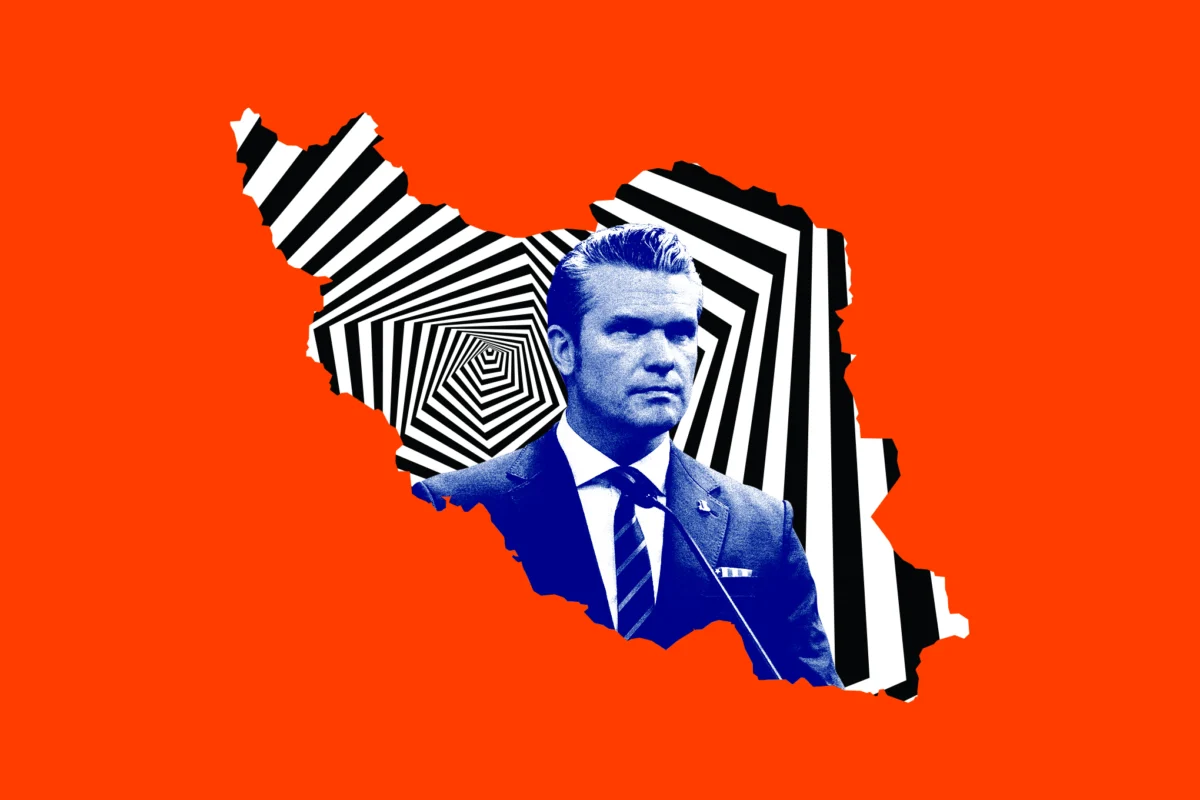
In the heart of the Department of Defense, amid the simmering tensions of a nascent conflict with Iran, a dramatic and telling scene unfolded, revealing deep fissures within the established press corps and a calculated reshaping of official information dissemination. This report chronicles a recent Pentagon press briefing that transcended the mere delivery of war updates, instead serving as a stark demonstration of evolving media access, strategic rhetorical warfare, and the deliberate manipulation of public perception during a critical geopolitical moment.
The backdrop to this unfolding drama was the thirteenth day of what was described as a "surprise war" with Iran, a conflict that had rapidly escalated and begun to exert tangible pressure on global energy markets and American domestic sentiment. The journalist, experiencing the disorienting effects of sleep deprivation and the stringent security protocols of the Pentagon, found themselves in an unusually privileged position within the briefing room. This access, however, was not a testament to their expertise in military affairs, but rather a byproduct of a deliberate restructuring of press engagement initiated by Defense Secretary Pete Hegseth. The new regulations, implemented the previous year, mandated constant escorts for journalists within the building, effectively curtailing independent movement and access to basic amenities like coffee, a seemingly minor inconvenience that underscored a larger shift in control. The irony of being assigned a prime seat to observe a seasoned war correspondent being publicly admonished by Hegseth was not lost on the observer, highlighting the peculiar circumstances that had brought them to this vantage point.
Hegseth, adopting a cadence honed by years in cable news, launched into a pointed critique directed at the veteran defense reporters occupying the less desirable seats. These journalists, representing pillars of American media such as NBC, ABC, The Wall Street Journal, The New York Times, and Fox News, were the very individuals who had dedicated decades to covering Middle Eastern conflicts, possessing an intimate understanding of the Pentagon’s inner workings and a commitment to holding power accountable. Their presence at this briefing marked their return after a collective protest in October, a dramatic resignation triggered by Hegseth’s directive that they could not report on any information, classified or otherwise, without his explicit approval. This move by Hegseth signaled a fundamental challenge to the traditional gatekeeping role of the press and an assertion of executive control over the narrative.
In stark contrast to the seasoned veterans, the front rows were occupied by a new cohort, lauded by Hegseth as the "patriotic press." This group included representatives from One America News, ZeroHedge, The Gateway Pundit, Real America’s Voice, The Daily Wire, and Lindell TV. Many of these journalists appeared notably young, a visual juxtaposition that, coupled with the briefing room’s less-than-full attendance, created an atmosphere far removed from the usual intensity of wartime reporting. The Pentagon press team’s decision to hold an open press conference, allowing the original defense reporters back into the fold after months of exclusion, was presented as a concession. However, the underlying message was clear: dissent in the form of probing questions would be met with continued disrespect and dismissal.
Hegseth’s critique extended to the framing of war coverage, emphasizing the power of visual media and headlines in shaping public opinion. He suggested alternative messaging, proposing that banners should read "Iran increasingly desperate" rather than "Mideast war intensified." This rhetorical maneuver aimed to reframe the conflict as a strategic victory for the United States, diminishing the perception of escalation and chaos. This strategy is a well-established tactic in information warfare, seeking to control the narrative by dictating the language and imagery used to describe events. By suggesting specific wording, Hegseth was not merely offering editorial advice; he was attempting to impose his preferred narrative onto the very individuals tasked with reporting the facts.
The reality on the ground, however, presented a more complex picture than Hegseth’s sanitized version. Since the previous press conference, the conflict had seen tangible escalations. Two U.S. aircraft had collided, a significant event that Hegseth failed to mention during his tirade. Iran, meanwhile, had launched missiles at Bahrain, deployed attack drones into Lebanon, and issued threats against American cities. The economic repercussions were also mounting. Iran’s actions in the Strait of Hormuz, a critical energy chokepoint, including the deployment of mines and assaults on commercial shipping, had sent oil prices soaring. Despite price controls, the cost of oil had increased by approximately 40 percent, reaching nearly $100 a barrel. This economic impact directly affected American consumers and added to domestic unease about the ongoing military engagement.
Hegseth’s response to reporting on these economic consequences, particularly a CNN report suggesting the Trump administration had underestimated the war’s impact on the Strait of Hormuz, was dismissive. He characterized the report as "patently ridiculous," attributing Iran’s actions to long-standing tactics of holding the strait hostage. His dismissal of CNN’s reporting and his veiled threat towards the network, referencing David Ellison’s acquisition of CBS News, underscored a growing pattern of animosity towards established media outlets perceived as critical of the administration’s policies. This strategy of attacking the messenger rather than engaging with the substance of the report is a common tactic employed to undermine the credibility of unfavorable news.
The dynamic within the briefing room was further complicated by the introduction of Chairman of the Joint Chiefs of Staff Dan Caine, who provided actual operational details about the war. This juxtaposition between Hegseth’s polemical pronouncements and Caine’s factual reporting highlighted the administration’s dual approach to public communication: one focused on shaping perception and the other on providing necessary operational updates. The journalist’s own invitation to the briefing, despite their known critical stance towards the Pentagon press team, raised questions about the administration’s strategic objectives in media engagement. The deliberate selection of attendees, limiting the number of reporters to sixty, suggested a desire for a more controlled environment, where the presence of critical voices could be managed.
The nature of the questions posed by the journalists further illuminated the evolving media landscape. The initial questions, from representatives of One America News and The Daily Wire, were notably deferential, framed as "softballs" designed to elicit favorable responses from Hegseth. This pattern suggested a deliberate strategy to cultivate a compliant press corps, one that would prioritize affirming the administration’s narrative over challenging it. The carefully orchestrated sequence of questions aimed to provide Hegseth with opportunities to further his agenda of media criticism and self-promotion.
A turning point in the questioning came with Michael Gordon of The Wall Street Journal. Gordon, a veteran reporter with extensive experience covering nuclear proliferation and Middle Eastern conflicts, posed a critical question regarding Iran’s nuclear material. He inquired whether the mission’s success was contingent on physically securing this material or on diplomatic negotiations, highlighting a perceived gap in the stated objectives of the military operation. Hegseth’s response, a vague assurance of "a range of options," revealed his discomfort with a question that delved into the strategic complexities of the conflict, a complexity that he had thus far sought to obscure. Gordon’s background, predating Hegseth’s own media career by decades, underscored the generational and experiential divide in contemporary war reporting.
Following Gordon’s incisive question, Hegseth’s composure visibly wavered as he reverted to his familiar tactic of confronting mainstream outlets. When an NBC reporter inquired about new mine placements, Hegseth accused them of "recklessly and wildly" reporting on the issue, only to be corrected by the journalist who clarified they had not reported on it. Similarly, when a New York Times reporter questioned the absence of U.S. escorts for ships through the Strait of Hormuz, despite stated naval superiority, Hegseth deflected, emphasizing the need for sequential operations and "shaping operations" to control the narrative and send the "right signals." His insistence that the war was not widening but rather under deliberate control demonstrated a commitment to projecting an image of strategic mastery, even in the face of mounting evidence to the contrary.
The broader political context of the war, particularly its impact on Republican sentiment, was also brought to the fore. A question from a reporter, presumably from a pro-MAGA outlet, referenced Tucker Carlson’s controversial remarks describing the war as "disgusting and evil." This question, which Hegseth did not immediately dismiss as an attempt to sow division, as he typically would with mainstream media inquiries, indicated a recognition of the internal dissent within the Republican base. His response, focusing on executing a "clear mission that’s 47 years overdue," was an attempt to rally support by invoking a sense of historical grievance and national purpose, sidestepping the specific criticisms raised.
The final question, posed by Heather Mullins of Lindell TV, touched upon two areas of growing right-wing skepticism: China’s limited support for Iran and Israel’s perceived influence in initiating the conflict. The question sought to clarify whether Iran was expected to meet demands from both the U.S. and Israel, and what those demands entailed. Hegseth’s answer, emphasizing that U.S. objectives would dictate the pace of resolution, offered little clarity and did little to appease those questioning Israel’s role.
The conclusion of the briefing left attendees with a palpable sense of unease and frustration. The "patriotic press" felt their questions had been dodged, while the seasoned national security reporters understood the depth of what Hegseth was actively concealing. The journalist, despite their own lack of war-zone experience, recognized that the performance of media management had taken precedence over the substance of the conflict. The deliberate orchestration of the briefing, from the denial of basic amenities to the strategic seating arrangements and the selection of questioners, highlighted a new paradigm in official communication: one where reality television instincts and psychological tactics were employed to generate drama and conflict, prioritizing spectacle over genuine accountability. This approach, while effective in controlling the immediate narrative, ultimately risks eroding trust and obscuring the profound implications of ongoing military engagements. The future of war reporting, and indeed public understanding of such conflicts, will likely be shaped by these evolving dynamics of access, narrative control, and the relentless pursuit of strategic performance.


 Safa Marwah
 Ayu Aulia
 Lisa Mariana