Lisa Mariana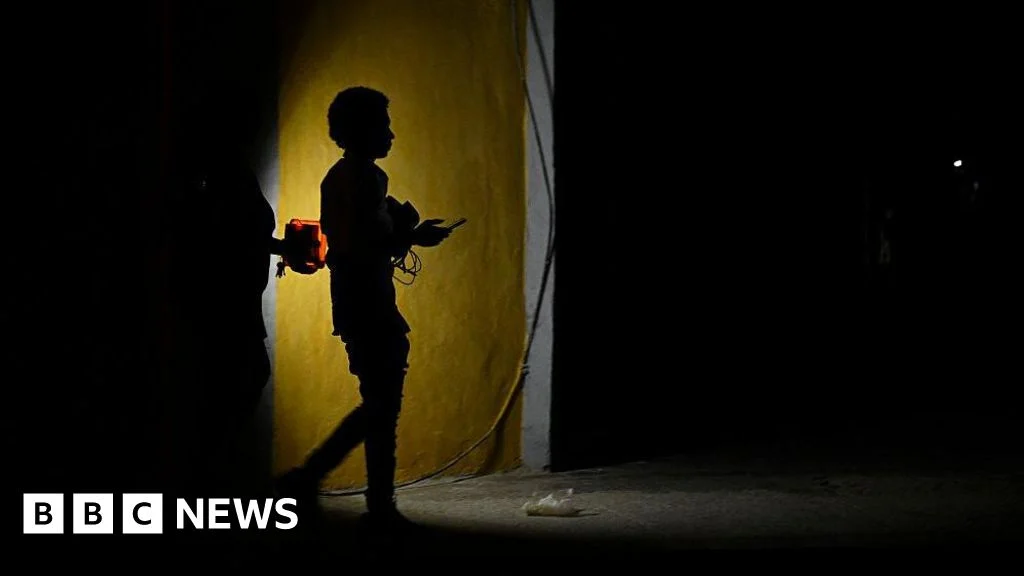
A profound systemic failure has crippled Cuba’s national electricity infrastructure, leaving the vast majority of its population without power and exacerbating an already precarious humanitarian situation on the island. This widespread blackout, which paralyzed essential services and daily life across the Caribbean nation, underscores the severe vulnerabilities of an aging power network perpetually strained by chronic fuel scarcity and a tightening noose of international sanctions. The incident is not an isolated event but rather the latest manifestation of deep-seated energy sector fragilities, intensified by complex geopolitical dynamics and a long-standing economic embargo that collectively push Cuba towards a critical juncture.
The immediate crisis unfolded with the sudden collapse of the national electricity grid, as confirmed by the state-run power operator, Unión Eléctrica (UNE). This catastrophic failure on a recent Monday plunged an estimated 11 million residents into an unprecedented darkness, bringing economic activity to a halt and disrupting critical public services. Initial reports from UNE indicated a gradual, painstaking process of attempting to restore power province by province, city by city, a testament to the scale of the outage and the inherent difficulties in recalibrating a national system under duress. The ramifications were immediate and pervasive: hospitals struggled to maintain operations with backup generators, food preservation became a significant concern for households without refrigeration, and basic communication channels were severely hampered. This widespread disruption did not merely inconvenience; it posed tangible threats to public health and safety, highlighting the profound societal dependence on a reliable energy supply that Cuba is increasingly unable to guarantee.
Cuba’s energy landscape is a complex tapestry woven from historical dependencies, infrastructural decay, and shifting geopolitical alliances. For decades following the 1959 revolution, the island nation relied heavily on the Soviet Union for oil subsidies and technical assistance, which sustained its industrial and residential energy needs. The abrupt dissolution of the Soviet bloc in the early 1990s triggered the "Special Period in Time of Peace," an era of profound economic hardship characterized by severe fuel shortages, widespread blackouts, and a dramatic contraction of the economy. This period left indelible scars on Cuba’s infrastructure, which saw minimal investment and maintenance due to a lack of resources, leaving its power generation and distribution systems perpetually vulnerable.
Following the Special Period, Venezuela emerged as Cuba’s primary energy benefactor, leveraging the Petrocaribe agreement to supply the island with crude oil at preferential rates in exchange for medical services and other forms of cooperation. This arrangement became the lifeline for Cuba’s energy security, providing roughly half of its daily oil consumption, estimated at around 35,000 barrels. However, the deep political and economic crisis engulfing Venezuela in recent years, coupled with escalating international pressure on Caracas, has severely compromised its capacity to uphold these commitments. The United States, having intensified its sanctions regime against the Nicolás Maduro government, has directly targeted Venezuela’s state-owned oil company, PDVSA, and any entities facilitating oil shipments from the country, thereby creating a significant ripple effect that has starved Cuba of its most critical energy source.
The current escalation in Cuba’s energy crisis is inextricably linked to Washington’s "maximum pressure" campaign. While the US economic embargo against Cuba has been in place for over six decades, its intensity has fluctuated across different presidential administrations. Under the previous US administration, a more aggressive stance was adopted, specifically targeting oil shipments to Cuba. This involved identifying and sanctioning shipping companies, vessels, and financial institutions involved in the transport of Venezuelan oil to the island. President Donald Trump’s administration explicitly threatened punitive tariffs and other measures against any nation or entity found to be supplying petroleum to Cuba, creating a chilling effect that deterred potential suppliers. Cuban President Miguel Díaz-Canel confirmed the dire consequences of these measures, stating that the island had received virtually no oil shipments for a period of three months preceding the grid collapse. This sustained deprivation of fuel has not only compromised Cuba’s ability to generate electricity but has also crippled its transportation sector and agricultural production, further exacerbating the island’s already dire economic situation.
The socio-economic ramifications of chronic power outages and fuel shortages are profound and multifaceted. For ordinary Cubans, these disruptions translate into immense daily hardships: food spoils in non-functioning refrigerators, access to clean water is compromised when pumps cannot operate, and the inability to use air conditioning or fans in the tropical climate makes living conditions unbearable. Healthcare facilities face immense challenges in maintaining sterile environments and powering life-saving equipment. Educational institutions struggle with providing continuity in learning when classrooms are dark and technology is inaccessible. The burgeoning private sector, comprising small businesses such as restaurants (paladares) and guesthouses, is particularly vulnerable, as their operations are directly tied to reliable utilities. These economic shocks further erode the already fragile purchasing power of citizens and limit opportunities for growth.
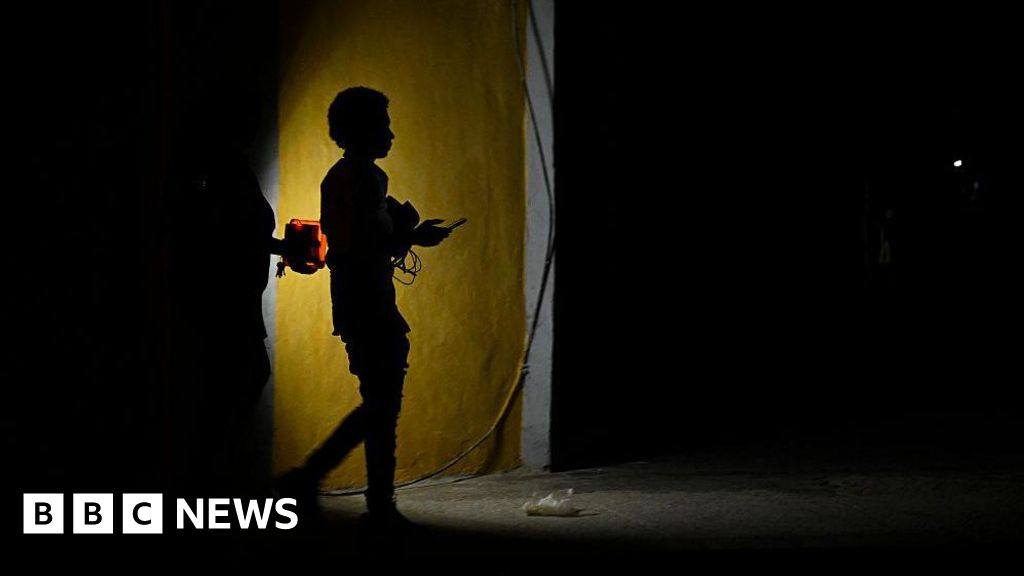
Beyond the immediate practical difficulties, the recurrent blackouts fuel widespread public discontent, which occasionally erupts into open protest—a rare phenomenon in Cuba’s tightly controlled political landscape. The image of two individuals navigating a darkened street by flashlight, as captured by AFP via Getty Images, symbolizes the everyday struggle. Public frustration has manifested in various forms, from spontaneous street demonstrations to more organized expressions of dissent. A recent incident in the city of Morón, where a Communist Party building was reportedly stormed by protesters railing against steep food prices and persistent power cuts, serves as a potent indicator of the escalating social tensions. Such events underscore the deep well of frustration among a populace that, as one Havana resident stoically observed, is "getting used to living like this," a sentiment reflecting both resignation and simmering anger.
In response to the escalating crisis, the Cuban government, through Unión Eléctrica, has consistently emphasized its efforts to restore service and maintain operational capacity. However, these immediate actions are often overshadowed by the systemic challenges facing the national energy infrastructure. The government has, for years, articulated a strategic imperative to diversify its energy matrix, investing in renewable sources such as solar and wind power. Yet, progress has been slow, hampered by capital constraints, technological limitations, and the ongoing difficulties in securing essential components and expertise due to the embargo. Diplomatically, President Díaz-Canel indicated an openness to initial discussions with the US administration to resolve long-standing differences, a potential acknowledgement of the need for de-escalation amidst the mounting internal pressures.
Washington’s policy towards Cuba under the previous US administration was characterized by a distinct hardening, reversing the rapprochement initiated by its predecessor. President Trump’s statements, such as his assertion of having the "honour of taking Cuba" or suggesting he could "do anything I want with it" because it is a "very weakened nation," reflect a long-held ideological stance rooted in the Cold War era. These pronouncements, including an earlier threat of a "friendly takeover," resonate with historical US interventions in the region and are often interpreted as attempts to exert maximum economic and political pressure to instigate internal change. This aggressive posture, while appealing to certain domestic political constituencies, particularly in states like Florida, complicates any prospects for dialogue and exacerbates the humanitarian challenges faced by the Cuban people.
The future outlook for Cuba’s energy security and overall stability remains highly uncertain. Without a significant overhaul of its aging infrastructure and a reliable, diversified supply of fuel, the recurrence of widespread blackouts appears inevitable. The ongoing geopolitical standoff with the United States, coupled with the instability in Venezuela, leaves Cuba acutely vulnerable to external shocks. The risk of further social unrest and political instability will persist as long as basic necessities, including electricity, remain scarce. The Cuban government faces a monumental challenge in navigating these pressures, balancing the imperative for internal economic reforms with the need to maintain political control and resist external influence. Exploring alternative international partnerships, potentially with nations like Russia or China, might offer some temporary relief but often comes with its own set of dependencies and strategic implications. Ultimately, Cuba’s path to sustainable energy independence and economic resilience will require not only significant domestic investment and innovation but also a fundamental re-evaluation of its complex relationship with the global community.


 Aura Kasih
 Safa Marwah
 Ayu Aulia