Lisa Mariana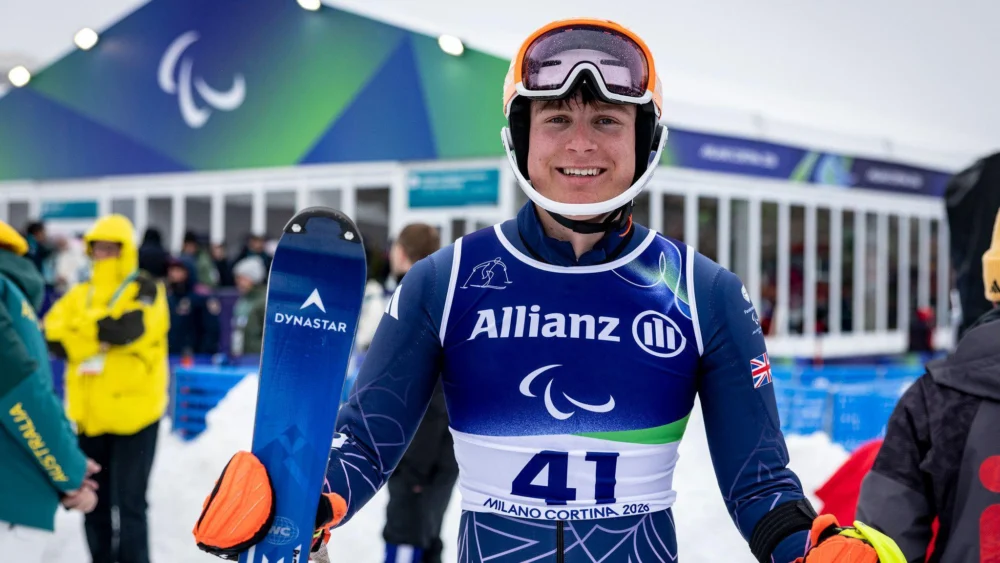
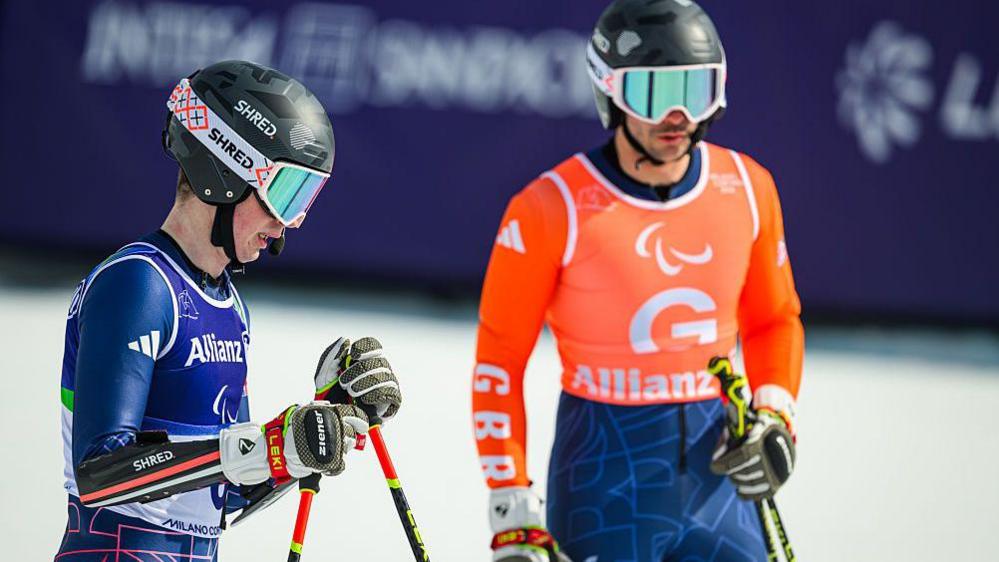
Great Britain concluded its campaign at the Winter Paralympics with a single silver medal, marking a significant deviation from recent Games, yet officials maintain a positive outlook, emphasizing strategic long-term development over immediate podium finishes. The solitary medal, secured by alpine skier Neil Simpson and his guide Rob Poth in the visually impaired alpine combined event, positions the nation at a lower rank than in any Winter Paralympics since the 2010 Vancouver Games, where no medals were achieved. This outcome, despite a substantial investment exceeding £7 million from UK Sport into winter Paralympic disciplines over the preceding quadrennial cycle, prompts a deeper examination of performance drivers, strategic objectives, and the trajectory for future competitions.
The context of this performance is crucial for an informed analysis. Since 2010, Great Britain had consistently secured a minimum of six medals at each subsequent Winter Paralympics, establishing a precedent for strong results. The 2026 Games, therefore, represent a statistical anomaly within this recent trend. UK Sport had initially projected a medal range of two to five, an expectation that remained unmet, leading to inevitable scrutiny. However, senior figures within the national sporting bodies have been quick to frame the results not as a failure, but as a foundational phase for future success, particularly with the 2030 Games in mind.
Dr. Kate Baker, UK Sport’s director of performance, articulated this perspective, stating that the athletes’ journeys and the sheer determination required to reach the Paralympic stage are commendable regardless of medal count. She pointed to a confluence of factors, including a significant number of injuries affecting key athletes and the youthfulness of the squad, with 17 of the 25 ParalympicsGB team members making their debut. This suggests that for many, these Games served as a critical experiential stepping stone rather than a peak performance opportunity. Phil Smith, ParalympicsGB chef de mission, echoed this sentiment, highlighting the inherent "jeopardy" of winter sports, where marginal errors or adverse conditions can drastically alter outcomes. He posited that with minor shifts in fortune, the team could have easily achieved the lower end of their medal target.
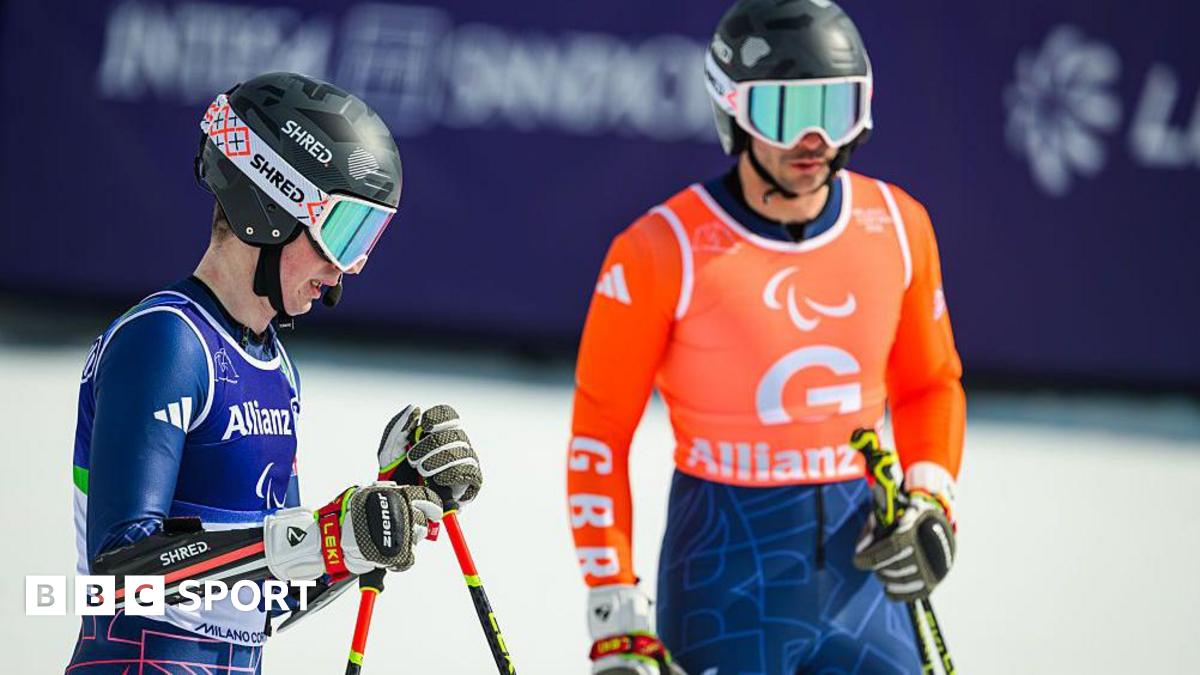
The specific instances of near-misses and challenges underscore this narrative. Neil Simpson, a double medalist including a gold from the previous Games, and Rob Poth demonstrated flashes of brilliance, recording the fastest slalom time in their silver-winning combined event. This performance initially fostered optimism for further medals in subsequent individual slalom and giant slalom events. However, the unforgiving nature of alpine racing manifested in an error during the giant slalom and a straddled gate in the slalom, amidst challenging heavy snowfall conditions in Cortina. Simpson, reflecting on these moments, acknowledged the inherent unpredictability of the sport, expressing disappointment but also a philosophical acceptance of the competitive environment. Poth further elaborated on the fine margins, noting that a gold medal had been within their grasp, illustrating the razor-thin difference between triumph and near-misses in elite competition.
Another prominent example is Menna Fitzpatrick, Great Britain’s most decorated Winter Paralympian, whose participation was severely impacted by a broken leg and an anterior cruciate ligament injury sustained within the 18 months leading up to the Games. Despite her undeniable talent and track record of six medals from previous editions, her fitness levels were not optimal, significantly diminishing her podium prospects. Beyond individual athletes, the mixed doubles curling team, comprising Jason Kean and Jo Butterfield, also experienced the anguish of close competition, narrowly missing out on a semi-final berth and a shot at a medal match. These scenarios collectively paint a picture of a team that often contended fiercely but ultimately fell short due to a combination of external factors, inherent sport risks, and developmental phase considerations.
Despite the modest medal return, several encouraging developments signal a potentially brighter future for Great Britain’s winter Paralympic program. The commitment of established athletes like Neil Simpson and Menna Fitzpatrick to continue competing through to the 2030 Games provides invaluable leadership and experience for the developing squad. Furthermore, the Games saw Nina Sparks make history as Great Britain’s inaugural female snowboarder at a Paralympics, signifying crucial diversification into new disciplines and an expansion of the talent pool. The composition of the GB curling teams also witnessed a notable shift, with English athletes competing on the ice alongside their traditionally dominant Scottish counterparts, indicating a broader national engagement and talent identification strategy for a sport historically concentrated in one region.
The most significant cause for optimism lies in the emergence of a new generation of Para-alpine skiers. Dom Allen, at just 16 years old, alongside Hester Poole (18) and Sam Cozens (19), represents the vanguard of this youthful contingent. Their participation, described by Phil Smith as being less about immediate medal contention and more about invaluable experiential learning, is a strategic investment. These athletes gained exposure to the pressures, routines, and competitive intensity of a major international multi-sport event, an experience that is foundational for their long-term development. The aspiration is for these individuals to translate this initial exposure into medal-winning performances in the next quadrennial cycle, particularly eyeing the 2030 Games.
UK Sport’s approach to funding underscores this long-term perspective. The organization’s investment decisions are not solely dictated by medal counts. While performance metrics are undeniably important, funding allocations also consider future potential, the broader impact of sports on society, and the resonance with the British public. This holistic philosophy aims to foster sustainable development rather than chasing short-term medal targets at the expense of long-term growth. Crucially, discussions regarding funding for the next cycle have already commenced, providing stability and certainty to sports programs. This proactive engagement ensures that governing bodies can plan and execute their development strategies without the immediate pressure of an uncertain financial future following a challenging Games. Dr. Baker emphasized that these discussions are informed by UK Sport’s assessment of each sport’s potential, allowing for adaptive strategies based on current performance and future aspirations. This commitment to ongoing review and strategic adjustment aims to capitalize on the nascent potential observed at the 2026 Games and translate it into a more robust medal haul in the French Alps in four years’ time.
The implications of this Paralympic performance extend beyond immediate results. It highlights the dynamic and increasingly competitive global landscape of Para-winter sports, where continuous innovation in training, sports science, and talent identification is paramount. For Great Britain, the 2026 Games serve as a critical data point, informing the strategic refinement of athlete pathways, coaching methodologies, and resource allocation. The emphasis on developing a broad base of young talent, alongside supporting seasoned veterans, reflects a balanced approach to program building. The challenge now lies in nurturing this potential, converting raw talent and newfound experience into consistent podium contention. The journey towards 2030 will necessitate sustained investment, rigorous athlete development programs, and a resilient mindset to navigate the inherent uncertainties of elite sport. While the single medal at the 2026 Winter Paralympics may appear modest, the strategic underpinnings suggest a deliberate recalibration aimed at cultivating a more profound and enduring legacy for Great Britain in Para-winter sports.


 Aura Kasih
 Safa Marwah
 Ayu Aulia