Lisa Mariana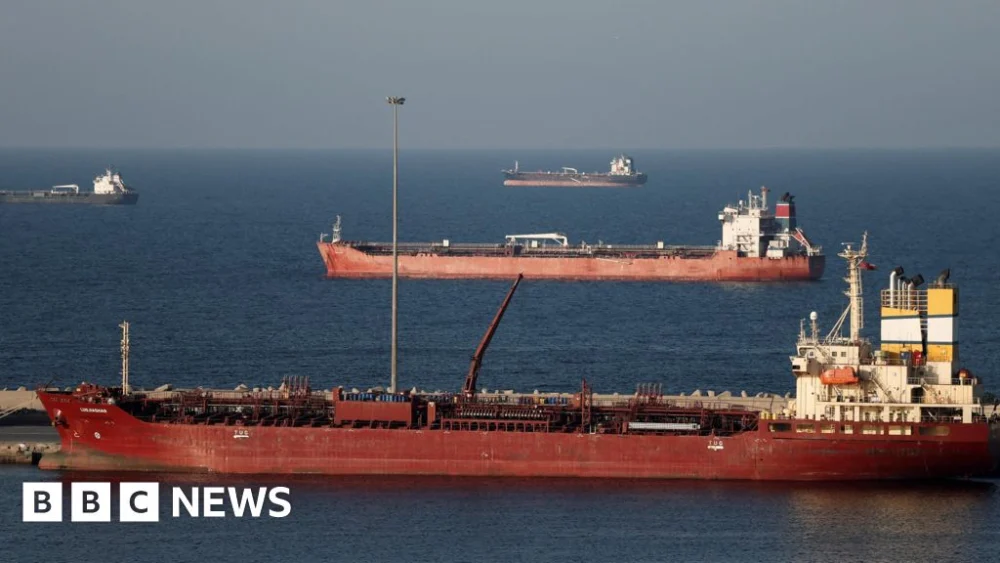
The United Kingdom is actively exploring a full spectrum of measures, including collaborative efforts with the United States and other international partners, to guarantee the unimpeded passage of commercial shipping through the strategically pivotal Strait of Hormuz. This critical maritime chokepoint has recently become the focal point of heightened geopolitical friction, threatening global energy supply lines.
The urgency of this deliberation stems from a recent ultimatum issued by U.S. President Donald Trump, who declared the channel would be opened "one way or another," simultaneously urging major global powers, including China, France, and the UK, to deploy naval assets to safeguard the waterway. Concurrently, the newly appointed Supreme Leader of Iran, Mojtaba Khameini, has reaffirmed Tehran’s intent to maintain a blockade of the strait, leveraging it as a significant instrument of political and economic pressure against Washington. This defiant posture by Iran comes amidst the third week of an intensifying conflict involving the United States, Israel, and Iran, which has already seen multiple maritime incidents and concerns over potential mine placements within the narrow passage.
Speaking on a prominent Sunday news program, Energy Secretary Ed Miliband underscored the paramount importance of ensuring the Strait’s security for international shipping. While declining to elaborate on specific governmental options under consideration, he acknowledged the critical need to restore safe navigation. Miliband highlighted that among the various capabilities being assessed, the deployment of advanced mine-hunting drones represented a potential avenue for British contribution. When pressed for greater detail regarding the potential deployment of naval vessels or unmanned systems to the volatile region, the Energy Secretary affirmed that "all feasible options" were being rigorously examined in close consultation with allied nations. He reiterated that the ultimate and most effective resolution to securing the Strait lay in de-escalating and ultimately resolving the broader regional conflict.
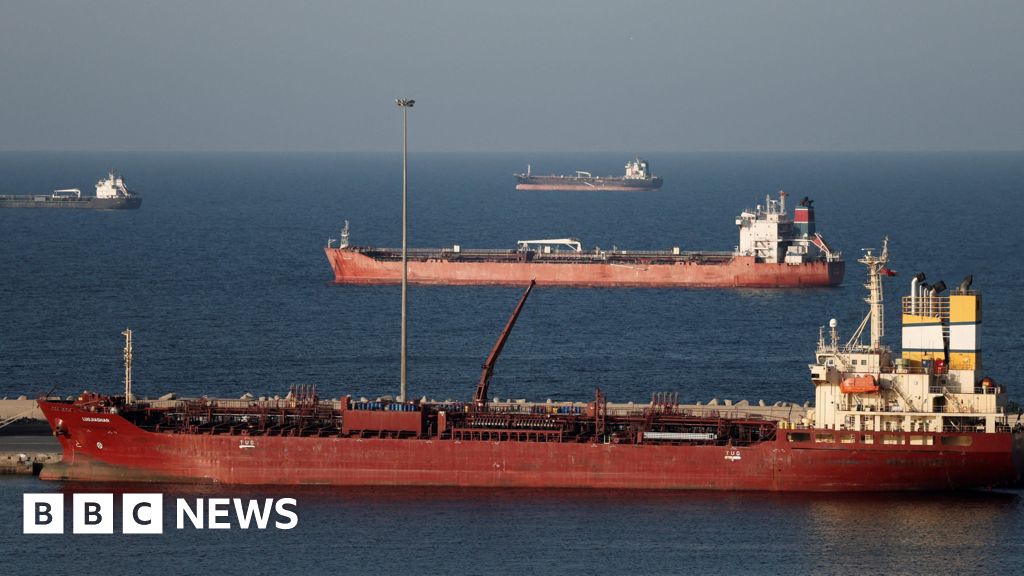
The Strait of Hormuz is more than just a maritime route; it is an indispensable artery of global commerce, particularly for the energy sector. Annually, an estimated 20 million barrels of crude oil and refined petroleum products traverse this waterway daily, representing approximately one-fifth of the world’s total supply. This colossal volume translates into an annual trade value approaching $600 billion, underscoring the profound economic ramifications of any disruption. The recent reduction in vessel traffic, starkly visible in comparative shipping data, illustrates the immediate impact of the elevated risk profile in the region. Tankers, often carrying vast quantities of oil, are now anchored in safer ports like Muscat, awaiting clarity on the situation, a clear indicator of the market’s apprehension.
The geopolitical landscape surrounding the Strait is complex and fraught with historical grievances and strategic rivalries. Iran views the Strait of Hormuz as a sovereign asset and a potent instrument in its standoff with the United States and its regional allies. Tehran’s threats to close the strait are not new; they have periodically surfaced during periods of increased international pressure, particularly in response to sanctions aimed at curtailing its oil exports. For Iran, controlling or threatening the Strait is a means to project power, retaliate against perceived aggressions, and demonstrate its capacity to disrupt global markets, thereby forcing international actors to reconsider their policies. This strategy, often termed asymmetric warfare, leverages its geographical advantage and naval capabilities, including fast attack craft and a presumed inventory of naval mines, to challenge the dominance of larger, more technologically advanced naval forces.
From the perspective of the United States and its allies, freedom of navigation through international waters is a sacrosanct principle of international law and a cornerstone of global economic stability. Any attempt to unilaterally block or impede passage through the Strait of Hormuz is considered an act of aggression, warranting a robust international response. The current U.S.-Israeli conflict with Iran adds another layer of complexity, intertwining regional security concerns with broader strategic objectives. The U.S. call for an international coalition is an attempt to share the burden of maintaining maritime security and to demonstrate a unified international front against Iranian provocations. However, achieving consensus among diverse nations with differing economic interests and diplomatic postures remains a significant challenge.
The United Kingdom’s involvement in securing the Strait is rooted in both its historical role as a maritime power and its contemporary economic interests. As a major trading nation and a significant consumer of global energy, the stability of supply chains is vital for Britain’s economy. Furthermore, the UK maintains a permanent naval presence in the Gulf region, reflecting its enduring commitment to regional security and its alliance obligations. Miliband’s mention of "mine-hunting drones" points towards specific capabilities the Royal Navy possesses or is developing, which could be critical in addressing the suspected threat of naval mines – a relatively low-cost but highly effective tool for disrupting shipping. The operational challenges of securing such a narrow waterway are immense, requiring sophisticated intelligence, surveillance, and reconnaissance (ISR) capabilities, coupled with highly specialized mine countermeasures (MCM) operations. Any military action in the Strait carries an inherent risk of escalation, potentially broadening the conflict and drawing in more regional and international actors.
The domestic political debate within the UK highlights the intricate balance between national interests, international obligations, and political ideologies. Liberal Democrat leader Ed Davey strongly cautioned against British involvement, characterizing President Trump’s approach as "very reckless" in what he termed an "illegal and damaging war." Davey advocated for a primary focus on diplomatic de-escalation rather than military engagement, expressing concern that Britain should not be perceived as blindly following an unpredictable American presidency. This stance reflects a more cautious, non-interventionist foreign policy outlook, prioritizing diplomatic solutions and multilateral frameworks over unilateral military action.
Conversely, Shadow Energy Secretary Claire Coutinho, representing the Conservative party, argued that sending naval assets or drones to the Middle East would be squarely in the UK’s national interest. She emphasized the importance of safeguarding international shipping lanes and protecting British military assets already deployed abroad. Coutinho also implicitly criticized the current Labour government, suggesting that a Conservative administration would have offered swifter and more decisive support to its American allies. This position aligns with a more robust, Atlanticist foreign policy, emphasizing strong alliance ties and a willingness to project power to protect strategic interests.
The differing viewpoints underscore the profound strategic dilemma facing the UK government: how to uphold international maritime law and protect economic interests while avoiding deeper entanglement in a volatile regional conflict. The emphasis by Miliband on "ending the conflict" as the ultimate solution points to the recognition that military measures, while potentially necessary for immediate security, do not address the root causes of instability. Diplomatic avenues, potentially involving mediation efforts by European nations or the United Nations, remain crucial, albeit challenging given the entrenched positions of the parties involved.
Looking ahead, the crisis in the Strait of Hormuz serves as a stark reminder of the fragility of global energy security and the interconnectedness of geopolitical events. The long-term implications could include a re-evaluation of global energy supply chain resilience, increased investment in alternative transportation routes (such as pipelines bypassing the Strait), and a renewed focus on diversifying energy sources. The precedent set by this crisis will also undoubtedly influence future responses to threats against other critical maritime chokepoints around the world. As tensions persist, the international community faces the arduous task of navigating a path that secures vital economic arteries without igniting a wider, potentially catastrophic, regional conflagration.




 Aura Kasih
 Safa Marwah
 Ayu Aulia