Lisa Mariana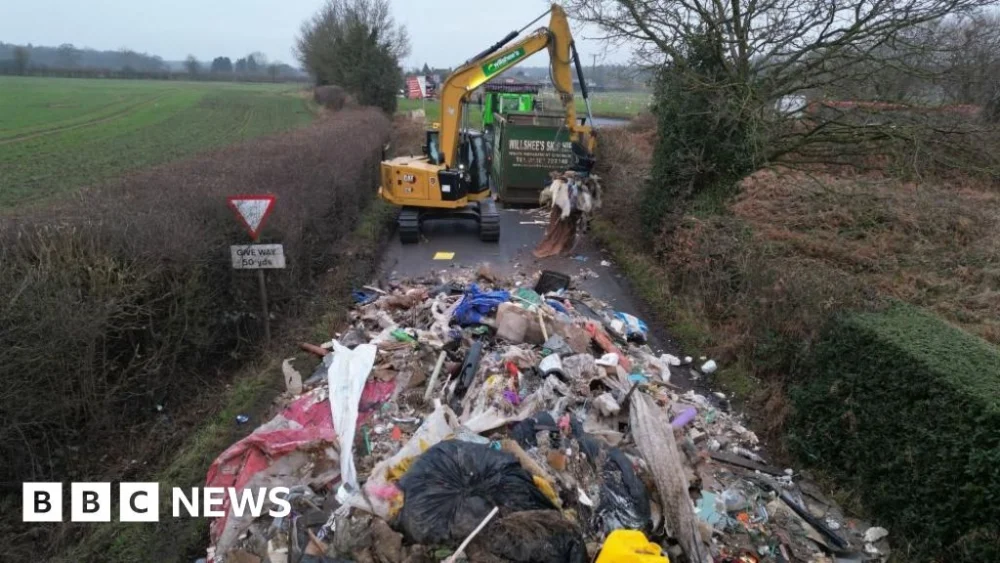
The United Kingdom government is poised to dramatically enhance the capabilities of Environment Agency officials, proposing a suite of police-style powers designed to intensify the crackdown on illegal waste dumping and organized environmental crime across England. This strategic shift aims to equip environmental enforcement officers with more robust tools, including the authority to conduct warrantless searches, seize criminal assets, and make arrests, marking a significant escalation in the nation’s efforts to combat a pervasive and costly environmental menace. The initiative underscores a growing recognition within Whitehall of the sophisticated and often financially driven nature of waste crime, necessitating a more aggressive and preventative enforcement posture.
Currently, the Environment Agency (EA) operates primarily as a regulatory body with powers to investigate and prosecute environmental offenses. While successful in securing numerous convictions, including immediate custodial sentences and the closure of over a thousand illegal waste sites in the past year, the scale and complexity of waste crime demand a more potent and proactive response. The proposed expansion of powers reflects a governmental conviction that existing mechanisms, while effective in certain contexts, are insufficient to deter and dismantle the intricate networks involved in large-scale illegal waste operations. This policy direction anticipates a comprehensive overhaul of enforcement strategies, moving beyond reactive clean-up and prosecution to a more interventional and disruptive approach.
The forthcoming Waste Crime Action Plan, expected next week, will provide the detailed framework for these reforms. At its core, the plan seeks to leverage existing legislative instruments, specifically the Police and Criminal Evidence Act (PACE) and the Proceeds of Crime Act 2002 (POCA), to empower EA officers. Granting powers akin to those held by police constables would enable environment officers to conduct searches of premises without a prior warrant in specified urgent circumstances, seize assets linked to criminal activity, and directly apprehend individuals suspected of committing environmental offenses. This represents a substantial shift from the current model, where EA officers often rely on police assistance for such actions, thereby streamlining the enforcement process and enabling quicker responses to unfolding environmental crimes.
Underpinning these proposed changes is the existing legal framework of the Environmental Protection Act 1990, which already categorizes fly-tipping as a criminal offense. The new legislative thrust is not merely about augmenting enforcement powers but also about fortifying the deterrent effect through stricter penalties. Future legislation is expected to impose custodial sentences of up to five years for individuals convicted of illegally transporting and disposing of waste, a clear signal of the government’s intent to treat environmental offenses with the gravity typically reserved for other serious criminal activities. Environment Secretary Emma Reynolds articulated this commitment, emphasizing the government’s resolve to "stop waste criminals in their tracks and bring those responsible swiftly to justice," indicating a zero-tolerance approach to environmental degradation for illicit profit.
The introduction of these enhanced powers, contingent on securing parliamentary time, is part of a broader strategy to tackle waste crime comprehensively. This holistic approach also encompasses new measures proposed by the Department for Environment, Food and Rural Affairs, including the imposition of penalty points on driving licenses for individuals in England, Scotland, and Wales caught fly-tipping. This innovative deterrent links environmental infractions to driving privileges, with the potential for license disqualification if a driver accumulates 12 or more penalty points within a three-year period. Such a measure targets the logistical aspect of fly-tipping, directly impacting the ability of offenders to transport waste illegally and adding a significant personal consequence beyond traditional fines or community service.
The economic and social ramifications of fly-tipping underscore the urgency of these proposed reforms. Environmental charities, such as Keep Britain Tidy, define fly-tipping as the unauthorized deposition of any waste on land not licensed for its acceptance. This illicit activity imposes a colossal financial burden on local authorities, costing millions of pounds annually for investigation, clearance, and disposal. Beyond the direct clean-up expenses, the Environmental Services Association estimates the broader cost to the national economy to tackle waste crime, encompassing legal costs, environmental remediation, and lost productivity, to be approximately £1 billion per year in England alone. This staggering figure highlights the significant drain on public resources that could otherwise be allocated to essential services.
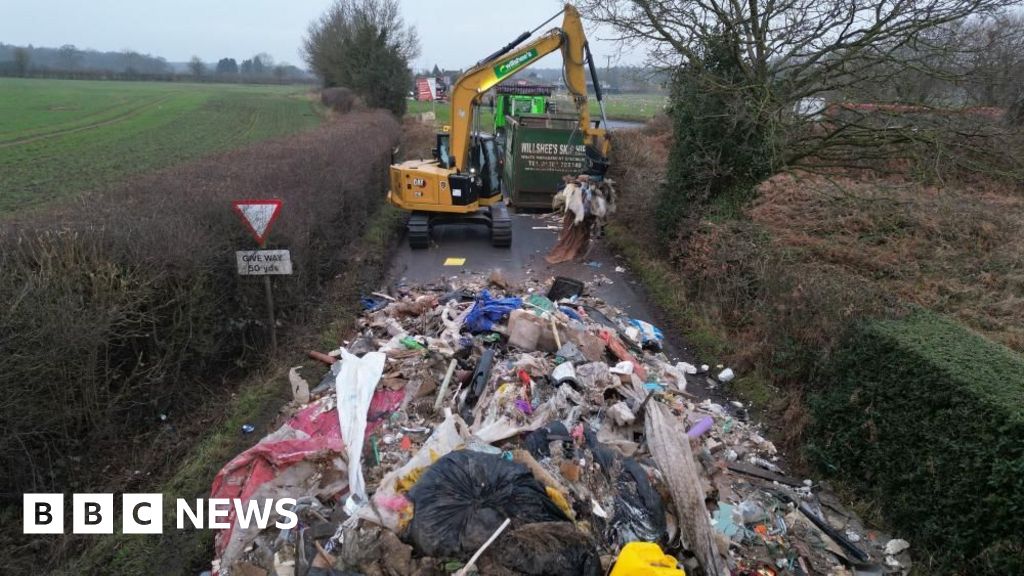
Furthermore, the impact extends far beyond financial metrics. Fly-tipping severely degrades natural landscapes, pollutes ecosystems, and poses significant public health risks. Illegally dumped waste often contains hazardous materials, chemicals, and disease vectors that can contaminate soil and water sources, endangering wildlife and human communities. Visually, it blights urban and rural environments, diminishing quality of life, reducing property values, and fostering a sense of neglect that can attract further antisocial behavior and crime. The pervasive nature of this problem is starkly illustrated by government figures from 2024 to 2025, which recorded 1.26 million fly-tipping incidents handled by councils in England, with household waste accounting for a substantial 62% of these cases. This data points to both opportunistic individual acts and more organized commercial operations seeking to avoid legitimate disposal costs.
The proposed empowerment of Environment Agency officials is rooted in a recognition that waste crime is often far more sophisticated than isolated incidents of littering. It frequently involves organized criminal gangs who exploit vulnerabilities in the waste management system, using illegal sites for large-scale dumping, hazardous waste processing, and illicit burning. These operations are driven by substantial profits derived from sidestepping legitimate waste disposal fees, which can run into thousands of pounds per ton for certain materials. By granting EA officers police-style powers, the government aims to disrupt these criminal enterprises at various stages, from initial transportation and dumping to the seizure of assets gained through illegal means, thereby undermining the economic incentive for such crimes.
From an expert analytical perspective, the efficacy of these new powers will hinge on several critical factors. Firstly, the legislative clarity and scope of the delegated powers will be paramount. Precise definitions of "urgent circumstances" for warrantless searches, for instance, will be essential to ensure legal robustness and prevent potential challenges. Secondly, adequate resourcing, training, and equipment for EA officers will be crucial. Empowering officers with police-style authorities necessitates comprehensive training in arrest procedures, evidence handling, use of force protocols, and legal frameworks like PACE and POCA. Without substantial investment in these areas, the expanded powers risk being underutilized or, worse, improperly applied.
Moreover, effective implementation will require seamless coordination among various enforcement bodies. The Environment Agency will need to work in close collaboration with local authorities, who are on the front lines of tackling fly-tipping incidents, as well as with regional police forces. Establishing clear lines of communication, intelligence sharing protocols, and joint operational strategies will be vital to maximizing the impact of these new capabilities. The intelligence-led approach, focusing on identifying and dismantling organized criminal networks rather than merely responding to individual incidents, will be key to achieving a sustained reduction in waste crime.
Looking ahead, the long-term success of this initiative will be measured not only by the number of prosecutions and asset seizures but also by a demonstrable reduction in fly-tipping incidents and the overall health of England’s waste management ecosystem. The proposed reforms signal a fundamental shift towards a more proactive, enforcement-led model for environmental protection. By elevating the authority and capabilities of environmental officers, the government aims to create a stronger deterrent against waste criminals, safeguard public health, protect natural landscapes, and ultimately, uphold the integrity of the nation’s environmental regulations. While the legislative journey and practical implementation will present their own challenges, the proposed plan represents a decisive and ambitious step towards eradicating the scourge of illegal waste dumping and fostering a cleaner, more sustainable environment for all.




 Aura Kasih
 Safa Marwah
 Ayu Aulia