
 Ridwan Kamil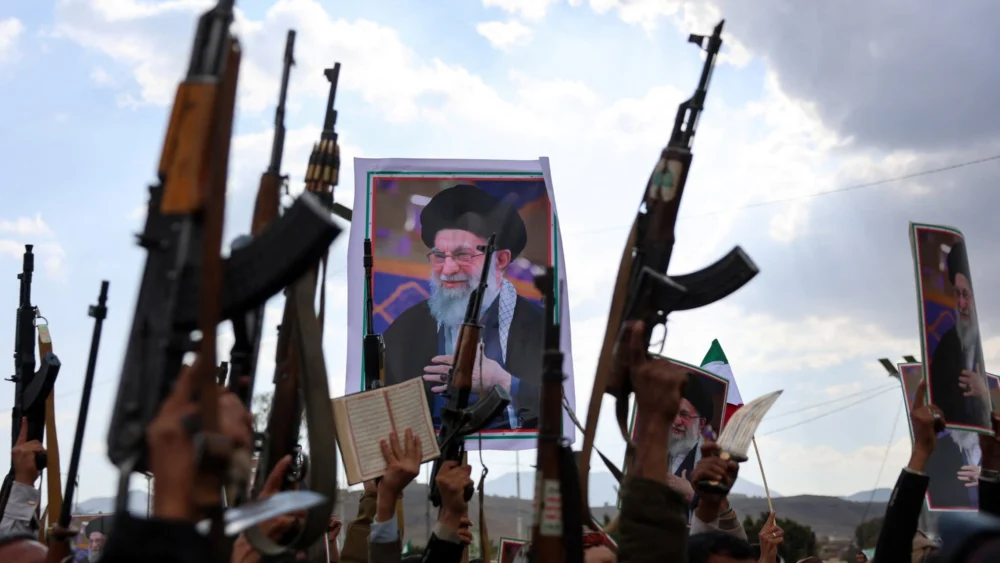
In the complex geopolitical theatre of the Middle East, the Houthi movement, officially known as Ansar Allah, has become a persistent and often inscrutable actor, its exact positioning and future trajectory a subject of constant analysis and speculation. While the group’s presence and impact on regional stability are undeniable, understanding the nuances of its current standing requires a deep dive into its operational capacity, diplomatic maneuvers, and the evolving dynamics of the Yemeni conflict and its international repercussions.
The Houthi movement, a Zaydi Shia revivalist political and military organization originating in northern Yemen, has profoundly reshaped the nation’s political and military landscape. Emerging from a region historically marginalized, Ansar Allah’s ascent to power, culminating in the seizure of the capital Sanaa in 2014 and the subsequent ousting of the internationally recognized government, marked a pivotal moment in modern Yemeni history. This dramatic shift triggered a devastating civil war, drawing in regional powers and creating a humanitarian crisis of immense proportions.
At its core, the question "Where are the Houthis?" transcends a simple geographical inquiry. It delves into the multifaceted nature of their influence, encompassing their territorial control within Yemen, their strategic reach in the Red Sea, their engagement in diplomatic negotiations, and their complex relationship with international actors. To comprehend their current standing, one must examine several critical dimensions.
Territorial Control and Governance in Yemen:
Despite years of conflict and a Saudi-led coalition’s military intervention, Ansar Allah maintains significant control over a substantial portion of Yemen’s territory. This includes the densely populated northern highlands and the strategic Red Sea coastline. Within these areas, the movement has established a de facto governance structure, administering services, collecting taxes, and enforcing its ideology. This enduring control underscores the limitations of external military pressure in decisively dislodging the group and highlights the deep-seated support it commands in certain Yemeni constituencies, often rooted in historical grievances and a perception of resistance against foreign interference.
The administration of Houthi-controlled territories is characterized by a blend of traditional tribal structures and an increasingly centralized bureaucracy. While the movement has implemented social welfare programs and infrastructure projects, these efforts are often constrained by the dire economic conditions and the ongoing blockade. International observers frequently point to the challenges of providing humanitarian aid and assessing the effectiveness of governance in these regions, given the restrictions on access and the opacity of internal Houthi operations. The effectiveness of their governance, therefore, is a contested narrative, with proponents highlighting their ability to maintain order and deliver essential services amidst war, while critics point to human rights concerns and the suppression of dissent.
Strategic Posture and Regional Ambitions:
Beyond Yemen’s borders, Ansar Allah has demonstrated a remarkable capacity to project influence, particularly through its assertive posture in the Red Sea. The strategic chokepoint of the Bab al-Mandeb Strait, a vital artery for global maritime trade, has become a focal point for Houthi actions. Their alleged involvement in attacks on commercial shipping, including drone and missile strikes, has not only disrupted global supply chains but also significantly escalated regional tensions.
This maritime assertiveness is widely interpreted as a strategic gambit to exert leverage on the international stage and to pressure adversaries. By threatening maritime security, the Houthis aim to draw attention to their grievances, undermine the economic interests of their opponents, and potentially force concessions in any future peace negotiations. The sophistication of their drone and missile technology, often attributed to external support, further amplifies their regional threat perception. Understanding the "where" of the Houthis in this context means recognizing their strategic penetration into a vital global commons, influencing international maritime policy and security.
Diplomatic Engagement and International Relations:
Despite being largely isolated and designated as a terrorist organization by some nations, Ansar Allah has engaged in a complex web of diplomatic interactions. While direct, formal negotiations with major global powers remain limited, the movement actively participates in UN-led peace initiatives and engages with regional intermediaries. Their willingness to engage in dialogue, albeit often on their own terms, signals an understanding of the need for political solutions to the protracted conflict.
The nature of these diplomatic engagements is often characterized by a delicate balancing act. The Houthis seek to legitimize their de facto authority within Yemen while simultaneously leveraging their regional actions to enhance their bargaining power. Their ability to secure concessions, such as the recent prisoner exchange agreements, demonstrates a capacity for strategic negotiation, even within a challenging geopolitical environment. The question of "where" they are in the diplomatic arena is therefore fluid, shifting between overt participation in peace talks and more covert channels of communication and influence.
External Support and Geopolitical Alliances:
A persistent question surrounding Ansar Allah is the extent and nature of external support they receive. While the movement maintains its autonomy, credible reports and intelligence assessments suggest significant backing from Iran, particularly in terms of military training, technology, and financial resources. This alleged support has been a major point of contention for Saudi Arabia and its allies, who view it as an extension of Iranian regional ambitions.
The precise details of this relationship remain opaque, fueling speculation and geopolitical maneuvering. The Houthis’ ability to sustain their military operations and launch sophisticated attacks is often attributed to this external lifeline. Understanding their "where" necessitates an appreciation of these clandestine alliances, which significantly bolster their operational capabilities and influence their strategic decision-making. The international community’s efforts to interdict arms shipments and disrupt supply lines are a testament to the perceived significance of this external dimension.
The Humanitarian Dimension and Internal Dynamics:
It is impossible to discuss the Houthis without acknowledging the devastating humanitarian crisis in Yemen. The ongoing conflict, coupled with the economic collapse and the blockade, has created one of the world’s worst humanitarian catastrophes. Ansar Allah’s role in this crisis is multifaceted. While they have been accused of obstructing aid delivery and diverting resources, they also govern populations that are heavily reliant on humanitarian assistance.
The movement’s internal dynamics also play a crucial role in understanding their current standing. While often presented as a monolithic entity, Ansar Allah comprises various factions and tribal affiliations, each with its own interests and motivations. Navigating these internal currents is essential for comprehending their decision-making processes and their long-term strategic direction. The "where" of the Houthis is not just about territory or international influence, but also about the complex internal cohesion that sustains their movement.
Future Outlook and Enduring Questions:
The future trajectory of Ansar Allah remains uncertain and contingent on a multitude of factors. The prospects for a lasting peace settlement in Yemen are still distant, with deep-seated mistrust and competing interests characterizing the conflict. The Houthis’ continued control over significant territory and their demonstrated capacity for regional disruption mean that any resolution will inevitably involve their participation.
Key questions that will shape their future include: Will they transition from a primarily military force to a more inclusive political actor? Can they effectively govern and rebuild Yemen should a political settlement emerge? How will their relationship with Iran evolve, and what impact will this have on regional security? Will international pressure and sanctions continue to shape their actions, or will they find new avenues for leverage?
The persistent elusiveness of definitive answers to these questions underscores the complexity of Ansar Allah’s position. They are not merely a localized militant group but a significant political and military force that has fundamentally altered the regional balance of power. Their "whereabouts" are not static but a dynamic interplay of territorial control, strategic projection, diplomatic engagement, and geopolitical alliances. As the situation in Yemen continues to unfold, understanding the nuanced and often opaque nature of the Houthi movement will remain paramount for policymakers, analysts, and all those concerned with regional stability and international security. Their continued presence and influence necessitate a sustained and sophisticated approach to comprehending their motivations, capabilities, and their evolving role in the volatile Middle East.



 Aura Kasih
 Safa Marwah
 Ayu Aulia


