Safa Marwah
In a demonstration of robust digital defenses, Poland’s National Centre for Nuclear Research (NCBJ), a pivotal institution for the nation’s scientific and energy future, successfully thwarted a targeted cyberattack aimed at its information technology infrastructure. This incident, detected and neutralized before any compromise or operational disruption could occur, highlights the escalating sophistication of state-sponsored cyber threats against critical national assets and the imperative for advanced cybersecurity postures.
The NCBJ publicly confirmed the incident, detailing that its multi-layered security protocols and proactive internal procedures were instrumental in identifying the malicious activity at an embryonic stage. The prompt and decisive actions of its dedicated IT security teams ensured that the integrity of its systems remained unbreached and that potential adversaries were effectively repelled. "The rapid and effective deployment of our security systems and incident response protocols, coupled with the swift reaction of our expert teams, ensured the attack was neutralized, and the integrity of our critical systems was preserved," a spokesperson for the Centre affirmed, underscoring the efficacy of their defensive framework.
The National Centre for Nuclear Research stands as Poland’s preeminent governmental institute dedicated to the advancement of nuclear science and technology. Its mandate spans a broad spectrum of disciplines, including fundamental nuclear physics, advanced reactor technology, particle physics research, and the development of radiation applications across various sectors. Critically, NCBJ provides essential technical and scientific support to Poland’s burgeoning nuclear power program, a cornerstone of the nation’s long-term energy strategy aimed at diversifying its energy mix and reducing carbon emissions.
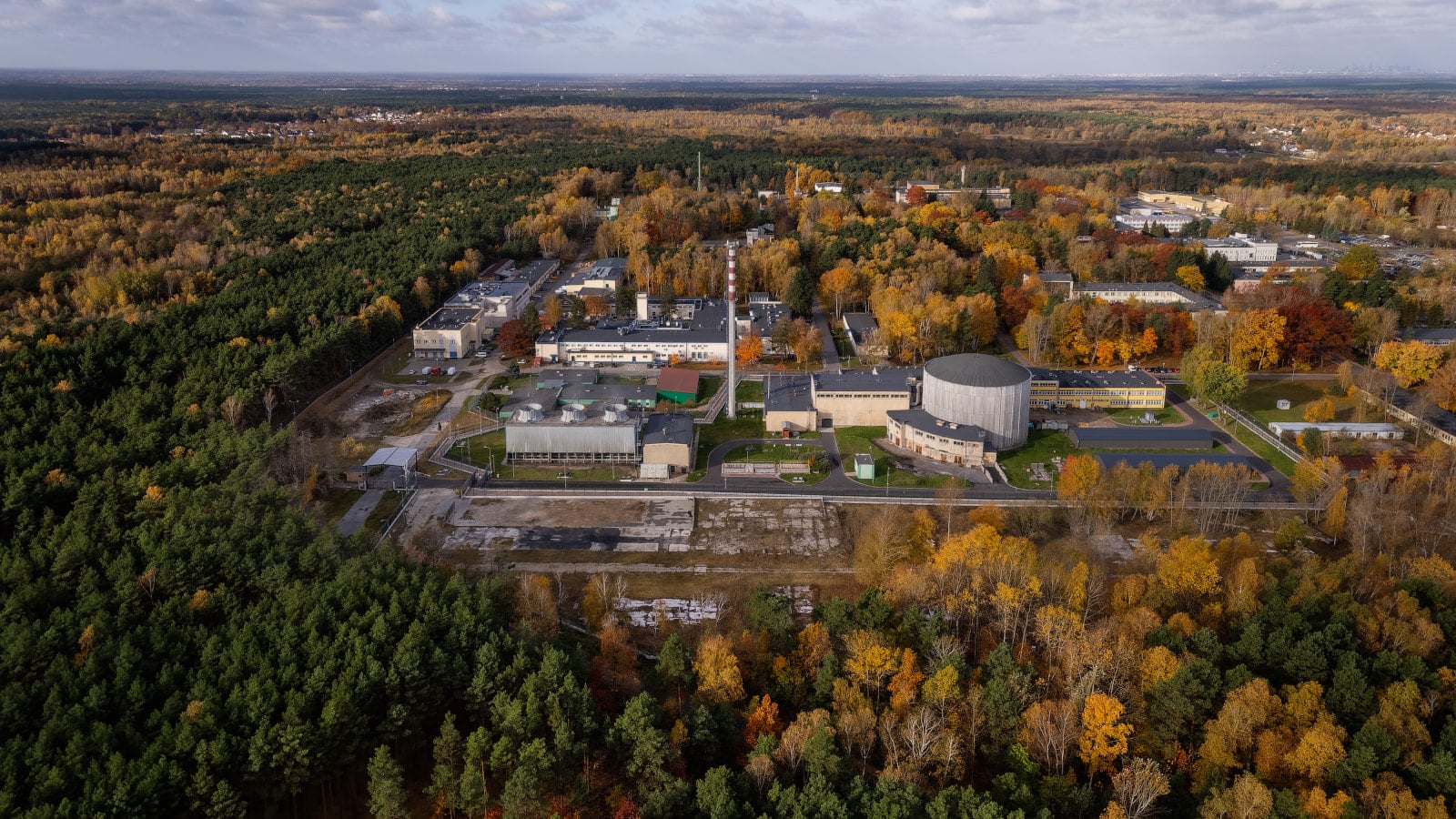
A key operational asset of the NCBJ is the MARIA reactor, Poland’s sole operational nuclear reactor. Distinct from commercial power generation facilities, MARIA serves as a vital national resource for a diverse range of scientific endeavors, including cutting-edge neutron research, the conduct of specialized scientific experiments, and the indispensable production of medical isotopes. These isotopes are crucial for diagnostic procedures and therapeutic treatments in healthcare, both domestically and internationally. Professor Jakub Kupecki, Director of the NCBJ, provided assurances that the attempted cyber intrusion had absolutely no impact on the operational status or safety protocols of the MARIA reactor, which continues to function securely at its full designated power output. This immediate confirmation was pivotal in allaying any public or international concerns regarding nuclear safety.
Following the incident, the NCBJ promptly initiated a comprehensive internal investigation and notified all relevant national authorities, including cybersecurity agencies and intelligence services. Additionally, the Centre’s internal security teams have been placed on an elevated alert status, poised to respond with heightened vigilance to any emergent threats or suspicious activities. This proactive stance reflects a recognition of the persistent and evolving nature of cyber risks.
While the NCBJ has refrained from publicly attributing the attack to any specific group or state actor, preliminary investigative findings, as reported by international news outlets, suggest potential indicators linking the intrusion to state-sponsored entities originating from Iran. However, Polish authorities are approaching these indications with extreme caution, acknowledging the prevalent use of "false flags" in sophisticated cyber operations designed to mislead attribution efforts and complicate geopolitical responses. This sophisticated misdirection technique underscores the complexities inherent in identifying the true perpetrators of advanced persistent threats (APTs).
The potential link to Iran introduces a layer of geopolitical complexity, especially given Poland’s official stance on international conflicts. Earlier in the current year, Poland’s Defense Minister, Wladyslaw Kosiniak-Kamysz, publicly reiterated that Poland is not involved in military operations or conflicts in the Middle East. This declaration underscores the nation’s efforts to maintain neutrality in certain international disputes, even as it finds itself increasingly on the front lines of global cyber warfare.
This incident at the NCBJ is not an isolated event but rather indicative of a broader and persistent pattern of cyber targeting against Poland’s critical infrastructure. Earlier this year, in January, the nation’s power grid experienced a significant cyberattack that impacted approximately 30 facilities. These included multiple distributed energy resource (DER) sites, crucial combined heat and power (CHP) facilities, and systems managing wind and solar energy dispatch. That particular attack was definitively attributed to APT44, a notorious Russian state-sponsored threat group also known as "Sandworm," renowned for its aggressive and disruptive cyber campaigns against critical infrastructure targets globally.
Furthermore, a comprehensive report released in late February by the International Centre for Counter-Terrorism (ICCT) highlighted Poland’s elevated position on the target list for Russian cyber actors. The report documented 31 confirmed cyber incidents attributed to Russian entities between mid-2025 and early-2026 alone. This consistent targeting underscores Poland’s strategic significance within NATO and its role as a frontline state in the ongoing geopolitical contest that frequently plays out in the digital domain. These previous incidents, particularly those against the energy sector, provide a critical backdrop, illustrating the continuous pressure and sophisticated threats faced by Polish infrastructure.
Expert Analysis and Strategic Implications
The attempted intrusion into the NCBJ’s systems serves as a stark reminder of the unique vulnerabilities inherent in critical national infrastructure, particularly those associated with nuclear research and development. While the direct operational safety of the MARIA reactor was not compromised, any successful penetration of IT networks within such an organization could potentially lead to severe consequences, ranging from intellectual property theft and espionage to data manipulation or even pre-positioning for future disruptive attacks. The information held by NCBJ, including proprietary research data, operational schematics, and sensitive personnel information, would be of immense value to state-sponsored adversaries seeking to advance their own nuclear programs or destabilize a NATO member state.
The successful repulsion of this attack by NCBJ showcases the critical importance of proactive cybersecurity investments, continuous threat intelligence integration, and the cultivation of highly skilled security teams. Their ability to detect and block the intrusion before impact demonstrates a mature security posture, which should serve as a benchmark for other organizations operating within the critical infrastructure sector. This incident underscores that effective defense against advanced persistent threats (APTs) is not merely about deploying technology, but about integrating robust processes, vigilant human expertise, and a culture of security awareness.
The geopolitical dimension of this incident cannot be overstated. State-sponsored cyber warfare has become an integral tool of modern statecraft, employed for intelligence gathering, influence operations, and strategic deterrence. The suspected involvement of Iran, even if unconfirmed and potentially a false flag, highlights the broadening landscape of actors capable of launching sophisticated attacks. The use of false flags is a well-established tactic in cyber warfare, designed to sow confusion, escalate tensions between third parties, and complicate international responses. This makes accurate attribution incredibly challenging and underscores the need for deep technical forensics combined with robust intelligence analysis.
Poland’s strategic geographic location and its firm alignment with NATO make it a frequent target for adversarial cyber operations. These attacks are often designed to probe defenses, gather intelligence, or exert political pressure. The pattern of attacks, from the energy grid to nuclear research, suggests a concerted effort by various state actors to understand, map, and potentially exploit vulnerabilities within Poland’s vital systems. This continuous pressure necessitates a dynamic and adaptive national cybersecurity strategy, one that anticipates emerging threats and fosters robust international cooperation in intelligence sharing and collective defense.
Future Outlook and Recommendations
Looking ahead, the threat landscape for critical infrastructure will only intensify. The convergence of geopolitical tensions, rapid technological advancements, and the increasing sophistication of cyber adversaries dictates a future where such incidents will become more frequent and potentially more severe. For Poland and its allies, continuous investment in advanced cybersecurity technologies, including AI-driven threat detection, behavioral analytics, and robust endpoint protection, will be paramount.
Furthermore, fostering a culture of cybersecurity resilience across all critical sectors is essential. This includes regular penetration testing, comprehensive employee training, and the development of detailed incident response plans that are regularly rehearsed. International collaboration, particularly within NATO and the European Union, will remain a cornerstone of effective defense, enabling the rapid sharing of threat intelligence, best practices, and coordinated responses to cross-border cyberattacks. The ability to identify, attribute, and respond collectively to state-sponsored threats will be crucial in deterring future aggression and maintaining digital sovereignty.
The NCBJ incident, while successfully mitigated, serves as a powerful reminder that vigilance, robust defense mechanisms, and rapid response capabilities are indispensable in safeguarding the integrity and operational continuity of a nation’s most vital assets against a continuously evolving array of digital threats. The ongoing investigation and the heightened alert status within NCBJ underscore the understanding that the battle for cyber resilience is a perpetual one.




 Lisa Mariana
 Aura Kasih
 Ayu Aulia