Lisa Mariana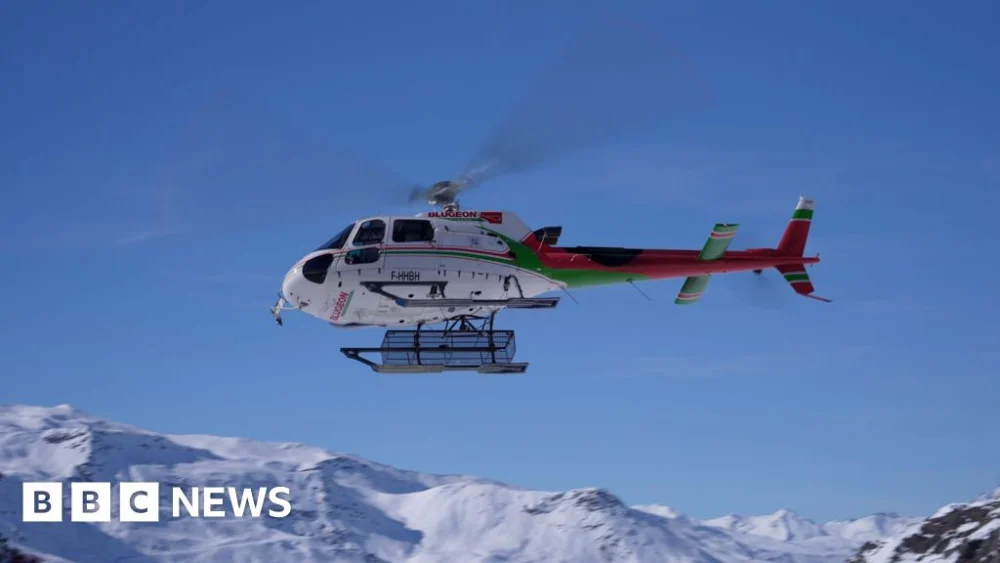
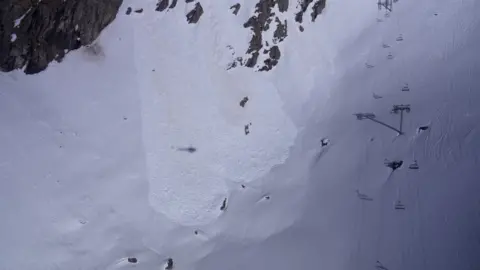
The majestic peaks of the European Alps are experiencing an alarming surge in avalanche-related fatalities this season, with rescue authorities and mountain safety experts pointing to a perilous confluence of shifting climatic patterns and a worrying rise in ill-prepared recreational skiers venturing into uncontrolled terrain. This unprecedented death toll, marking an eight-year high, underscores a critical juncture for mountain safety protocols and individual responsibility in the face of nature’s formidable power. From the vantage point of search and rescue helicopters traversing the snow-laden French Alps, the landscape reveals a stark beauty marred by the tell-tale signs of recent snowslides – a chilling testament to the dangers lurking beneath the pristine surface.
This winter has seen over 100 lives tragically lost across the alpine ranges, a figure not witnessed since a similar peak nearly a decade ago, according to comprehensive data compiled by the European Avalanche Warning Services. This grim statistic signals a complex interplay of environmental factors and human behavior. While the sheer volume of snow blankets the iconic Tarentaise valleys in the French Alps, creating an irresistible allure for winter sports enthusiasts, experts highlight that the stability of this snowpack has been critically compromised. The resulting instability, particularly in off-piste areas beyond the carefully managed ski runs, has proven to be a deadly trap for many.
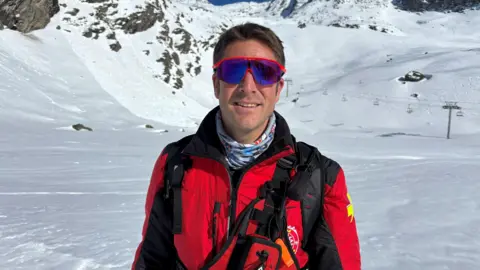
Long-serving mountain professionals are at the forefront of observing these changes. Frédéric Bonnevie, a seasoned mountain patroller with over three decades of experience, articulates a stark reality: "As with all around the world, the climate is changing." He notes a discernible trend towards shorter winters and the concentration of optimal snow conditions at increasingly higher elevations. While ski resorts possess the capacity to mitigate risks within marked boundaries through controlled blasting and regular grooming, the vast expanses of backcountry remain untamed and unpredictable. It is in these unpatrolled zones that the majority of this season’s fatalities have occurred, revealing a significant gap between perceived safety and actual risk.
The meteorological patterns this season have been particularly conducive to avalanche formation. A substantial early snowfall in late October created a foundational layer, which was then subjected to periods of warmer temperatures and subsequent light precipitation over the Christmas period. This created a weak, unstable base layer. When January brought a deluge of new snow, these heavy, fresh layers accumulated on top of the precarious older snow, dramatically increasing the risk of widespread snowpack failure. This phenomenon, characterized by alternating periods of heavy snow and fluctuating temperatures, is a hallmark of the climatic variability now affecting alpine regions, making accurate forecasting and risk assessment more challenging than ever.
Beyond environmental dynamics, a critical human element is being implicated in the rising casualty figures. Stéphane Bornet, the director of Anena, France’s national association for snow and avalanche safety, points to a concerning profile among victims. Many are technically proficient skiers, often regulars in the mountains, who possess advanced on-piste skills but lack a deeper understanding of the complex, nuanced mountain environment. "A lot of the victims are skiers who come here often, are technically skilled, but aren’t necessarily connoisseurs of the mountain environment," Bornet explains. This distinction is crucial; technical skill on prepared slopes does not equate to the comprehensive knowledge required to navigate the inherent dangers of off-piste terrain.
A significant proportion of these incidents are compounded by a severe lack of basic safety equipment and insufficient pre-trip planning. Bornet highlights that many victims were not carrying essential safety kits, such as an avalanche transceiver – a device critical for locating buried individuals – or a shovel for excavation. Furthermore, a failure to conduct fundamental research on their intended routes, including consulting local avalanche bulletins and weather forecasts, frequently precedes these tragic events. The statistics starkly underscore the importance of such equipment: emergency crews report that carrying a transceiver increases the chance of survival in an avalanche to 70%, with the first 16 minutes after burial being the most critical for rescue. Without one, the survival rate plummets to a mere 20%, as rescue operations become protracted, requiring extensive manpower and specialized equipment, often arriving too late.
The physical forces at play in an avalanche are immense and unforgiving. Pierre Boulonnais, a 17-year veteran patroller in Val Thorens, emphasizes the race against time inherent in every rescue. "Most of the time when we’re coming, it can be too late," he states with a weathered wisdom gained from years on the slopes. During a demonstration off-piste, he illustrates the deceptive nature of the snowpack. After digging through 60 centimeters of soft, fresh powder, his metal ruler abruptly hits a dense, compressed layer of older snow. This invisible interface is where many slides initiate. Bornet further clarifies the sheer weight involved: "If you are trapped under just 50cm of snow of this density, you already have more than a quarter of a tonne on top of you." The immense pressure and lack of oxygen make rapid recovery imperative, highlighting why even a few minutes can mean the difference between life and death.
The psychological aspect also plays a substantial role. A cultural shift has been observed among some segments of the skiing community. Historically, experienced off-piste enthusiasts would exercise caution, waiting several days after a heavy snowfall to allow the snowpack to settle and stabilize. Today, however, there is a discernible trend, particularly among younger generations, to immediately venture into fresh powder to "maximize" their short breaks. Bonnevie concurs with this observation, stating, "The new generation want to be the best, the biggest and the quickest." This desire for immediate gratification, fueled perhaps by social media and the pursuit of extreme experiences, can lead to increased risk-taking and a disregard for established safety protocols. This complacency, alongside the unpredictable weather, presents a formidable challenge for mountain safety advocates.
Recent high-profile incidents across the Alps have brought the avalanche crisis into sharp focus for the public and media. In La Chapelle d’Abondance, the discovery of two female skiers buried under snow, with their vehicle left in a nearby car park, underscored the widespread and indiscriminate nature of these events. In Isère, an entire village was cut off, necessitating the helicopter evacuation of 64 residents, a situation one local described as "like being in the depths of Siberia," highlighting the disruptive power of these natural phenomena. Even critical infrastructure has not been immune; a train in Switzerland recently sustained a direct hit from an avalanche, miraculously without fatalities, but serving as a stark reminder of the broader risks. The human drama of these events was vividly captured by Diego Gonçalo, who witnessed an avalanche in St. Anton, Austria, that claimed three lives. He recounted the eerie silence preceding the arrival of emergency services: "Everybody was amazed by the sight. There was no sound, but then we heard the emergency rescue team arrive; helicopters, ambulances, and the police. It’s amazing what nature can do and then you realise it can kill you and you can’t do anything. You feel so small in such a situation."
The implications of this heightened danger extend beyond individual tragedies. There are growing discussions, particularly within France, regarding the financial burden of search and rescue operations, with calls for "foreigners and the reckless" to bear the costs. Given that British visitors constitute a significant quarter of annual resort visitors, this debate carries particular weight. While the immediate risk has prompted some visitors, like snowboarder Bella, to feel "twitchy," the pervasive sense of reassurance when avalanche risk ratings decrease from, for example, a 5/5 to a 3/5, can be misleading. Rescue crews are resolute that even with lower official warnings, the inherent danger in uncontrolled terrain remains substantial.
While historical data indicates that avalanche fatalities have reached similar peaks in previous seasons, leading to ongoing debate about the precise extent of climate change’s direct influence on this specific surge, there is a broad consensus that fluctuating temperatures are undeniably altering snow deposition patterns, timing, and regional distribution. This creates a snowpack structure that is more prone to instability. Mountain patrol teams, like the one led by Bonnevie, are grappling with these new realities, constantly adapting their strategies to manage a more unpredictable environment.
Ultimately, the challenge lies in fostering a culture of informed responsibility. Resorts continue to invest in sophisticated avalanche control measures and public awareness campaigns. However, the onus also falls on individual skiers and snowboarders to equip themselves not just with the right gear, but with comprehensive knowledge, a healthy respect for mountain conditions, and the discipline to adhere to safety guidelines. Off-piste instructors, drawing on decades of experience, lament the perceived shift from patient, calculated exploration to an immediate, almost competitive rush for fresh powder. For officials like Bornet, overcoming human complacency represents a more achievable goal than directly mitigating the broader impacts of climate change. His concluding sentiment encapsulates this ethos: "You have to keep in mind that the mountains are a magnificent playground, a field of adventures. Let’s make sure your memories are positive ones." This season’s grim statistics serve as a powerful, albeit tragic, reminder that the allure of the alpine wilderness demands respect, preparedness, and an unwavering commitment to safety.




 Aura Kasih
 Safa Marwah
 Ayu Aulia