Ridwan Kamil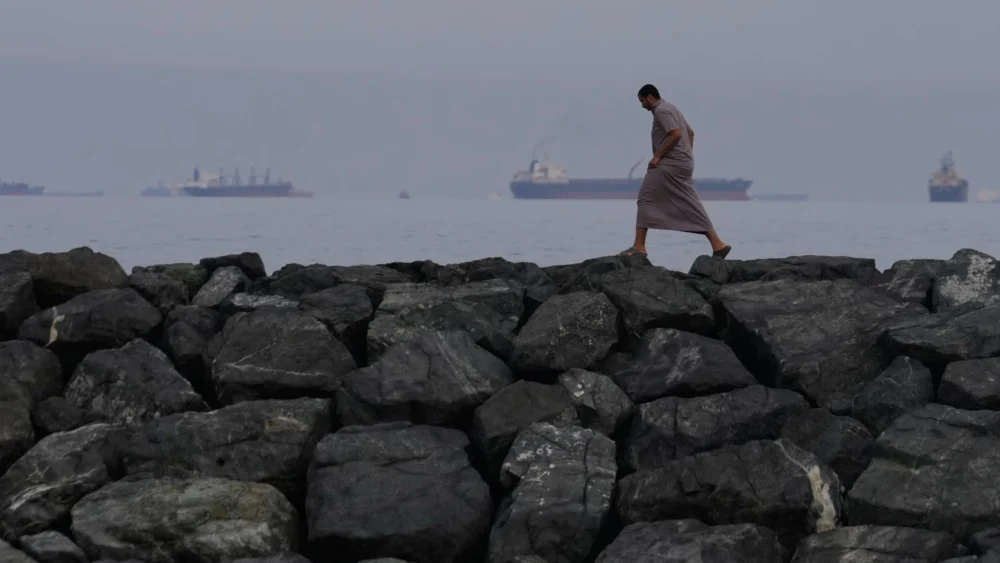
In a significant diplomatic maneuver, France and Italy have commenced high-level discussions with Iran, aiming to de-escalate tensions and secure unimpeded passage through the strategically vital Strait of Hormuz, a critical artery for global energy supplies. This concerted effort by two key European nations underscores the growing international concern over potential disruptions in one of the world’s most vital maritime chokepoints.
The Strait of Hormuz, a narrow waterway connecting the Persian Gulf to the open ocean, is an indispensable transit route for a substantial portion of the world’s seaborne oil and liquefied natural gas (LNG) exports. Any threat to its free flow, whether through overt military action, naval harassment, or escalating regional instability, carries profound implications for global energy security, economic stability, and geopolitical dynamics. The recent overtures by Paris and Rome signal a proactive approach to avert such a crisis, reflecting a shared European interest in maintaining maritime order and preventing further volatility in already sensitive energy markets.
A Geopolitical Nexus Under Scrutiny
The Strait of Hormuz has long been a focal point of geopolitical tension, situated between Iran and Oman. Its strategic significance is underscored by the sheer volume of energy it transits daily. Approximately one-fifth of the world’s total petroleum liquids supply passes through this strait, making it a linchpin in the global energy architecture. Disruptions here would not only send shockwaves through oil and gas prices but could also trigger broader economic repercussions, impacting industrial production, transportation, and consumer costs worldwide.
Recent months have witnessed an increase in maritime incidents and heightened rhetoric in the Persian Gulf region, exacerbating existing anxieties. These events, often involving Iran and international shipping, have amplified calls for diplomatic solutions to prevent a miscalculation that could lead to a wider conflict. France and Italy, with their established diplomatic channels and vested interests in regional stability, have thus chosen to engage directly with Tehran, seeking to foster a dialogue that prioritizes de-escalation and the reaffirmation of international maritime law.
The Rationale Behind the European Initiative
The decision by France and Italy to lead this diplomatic engagement is multifaceted. Both nations are significant economic players within the European Union and are heavily reliant on stable energy imports. Ensuring the uninterrupted flow of oil and gas through the Strait of Hormuz is therefore a direct economic imperative. Furthermore, as key members of the international community, they have a vested interest in upholding freedom of navigation and maritime security, principles that are foundational to global trade and stability.
This initiative can be viewed as an attempt to create an independent European diplomatic track, potentially complementing or offering an alternative to other international efforts. By engaging directly with Iran, Paris and Rome aim to:
- De-escalate Tensions: To convey directly to Iranian leadership the seriousness with which Europe views any potential threat to maritime security in the Strait of Hormuz and to encourage restraint.
- Seek Assurances: To obtain explicit guarantees from Iran regarding the safety and unimpeded passage of commercial vessels transiting the strait, irrespective of their origin or destination.
- Promote Dialogue: To open or deepen channels of communication with Iran, fostering a more predictable and stable environment in a region prone to volatility.
- Signal European Agency: To demonstrate a unified European commitment to addressing critical global security challenges through diplomatic means, asserting a distinct role on the international stage.
The involvement of France, a permanent member of the UN Security Council, and Italy, a significant Mediterranean power with historical ties to the region, lends considerable weight to this diplomatic effort. Their engagement signals a recognition that proactive diplomacy is essential to prevent the escalation of regional tensions into a crisis with global ramifications.
Iran’s Strategic Position and Regional Dynamics
Iran’s relationship with the international community, particularly concerning its nuclear program and regional influence, has been a complex and often contentious issue. Tehran views the Strait of Hormuz as a vital strategic asset and has, at times, alluded to its ability to disrupt shipping as a means of exerting leverage or responding to perceived threats. Understanding Iran’s perspective and its internal political dynamics is crucial for the success of any diplomatic initiative.
Iran’s primary objectives often include asserting its regional sovereignty, countering external pressures, and securing its economic interests. Any diplomatic engagement must acknowledge these underlying factors while clearly articulating international expectations regarding maritime security. The effectiveness of France and Italy’s efforts will likely depend on their ability to engage constructively with Iran’s leadership, offering tangible benefits or addressing legitimate concerns in exchange for concrete assurances regarding the Strait of Hormuz.
The regional landscape is further complicated by the intricate relationships between Iran and its neighboring states, as well as the presence of international naval forces. The Strait of Hormuz is patrolled by various navies, including those of the United States and its allies, aimed at ensuring freedom of navigation. Any actions by Iran that threaten this freedom could lead to direct confrontations, with potentially severe consequences. Therefore, the diplomatic efforts by France and Italy are not occurring in a vacuum but within a highly charged and sensitive geopolitical environment.
Expert Analysis and Potential Outcomes
The success of these diplomatic overtures hinges on several factors. Firstly, the unity and resolve of the European Union itself will be critical. A fractured approach or conflicting signals from member states could undermine the credibility of the initiative. Secondly, the willingness of Iran to engage in good-faith negotiations is paramount. Tehran’s response will be shaped by its own strategic calculus, its assessment of international pressure, and its domestic political considerations.
Potential outcomes of these talks could range from a tangible de-escalation and renewed commitment to maritime safety to a hardening of positions if diplomatic channels prove unproductive. A positive outcome would involve Iran reaffirming its commitment to international maritime law and providing assurances that commercial shipping will not be jeopardized. This could lead to a reduction in regional tensions and a more stable outlook for global energy markets.
Conversely, if the talks fail to yield concrete results, the risk of continued volatility and potential incidents in the Strait of Hormuz would persist. This could prompt further international naval deployments or even more assertive actions to safeguard shipping lanes, potentially leading to an escalation of tensions.
The Broader Implications for Global Security
The initiative by France and Italy underscores a broader trend: the increasing recognition that maintaining open and secure sea lanes is a shared global responsibility. The Strait of Hormuz is not merely a regional concern; its security is intrinsically linked to the economic well-being of nations across the globe. A disruption here would have ripple effects, impacting inflation, economic growth, and political stability in numerous countries.
This diplomatic engagement also highlights the ongoing importance of multilateralism and dialogue in addressing complex international security challenges. While military deterrence plays a role in maintaining stability, proactive diplomatic engagement is often the most effective tool for preventing conflict and fostering long-term solutions. The efforts by France and Italy serve as a reminder that sustained, focused diplomatic engagement can be a powerful force in navigating treacherous geopolitical waters.
Looking ahead, the success of this European initiative will be closely monitored by international observers. It represents a significant diplomatic undertaking with the potential to influence regional stability and global energy security. The coming weeks and months will reveal whether these conversations can translate into concrete actions that safeguard this vital maritime artery for the benefit of the international community. The stakes are undeniably high, making this diplomatic push a critical development in the ongoing efforts to maintain global peace and economic prosperity.

 Aura Kasih
 Safa Marwah
 Ayu Aulia