Lisa Mariana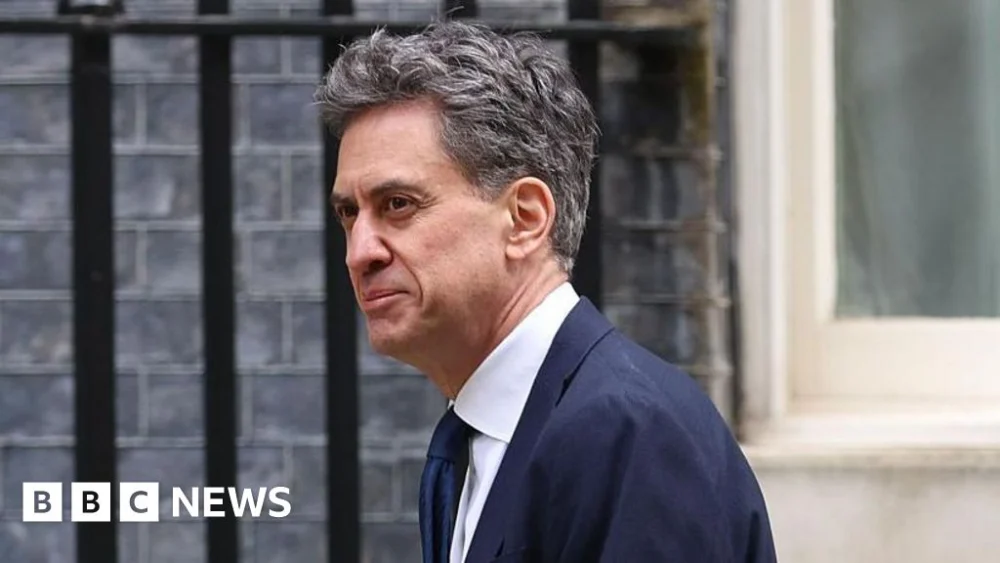
The government has declared an unequivocal stance against exploitative practices within the energy sector, asserting that firms capitalizing excessively on escalating global oil prices will face robust intervention, with the national competition watchdog poised for immediate action to safeguard consumers from unfair fuel costs. This assertion comes amidst a volatile international energy landscape, intensifying pressure on household budgets and national economic stability.
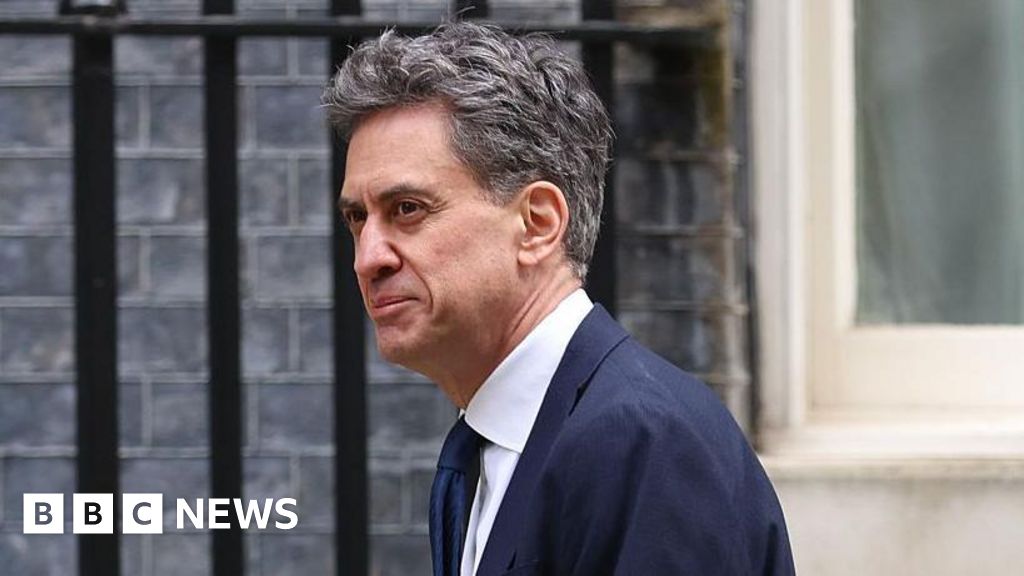
The prevailing geopolitical instability, notably the effective embargo impacting the critical Straits of Hormuz, has sent reverberations across global energy markets, manifesting in sharp increases in crude oil benchmarks. This external shock translates directly into higher costs at the pump and for domestic heating, placing significant financial strain on citizens and businesses. In response, the Energy Secretary, a prominent figure in the current administration, has publicly articulated a zero-tolerance policy towards what is termed "profiteering," emphasizing the government’s commitment to protecting consumer interests during this period of heightened vulnerability.
The Competition and Markets Authority (CMA) has been placed on high alert, receiving a clear mandate to scrutinize pricing strategies across the fuel and heating oil supply chains. This directive underscores a proactive approach to identifying and mitigating any market behaviors deemed unjustifiable or predatory. The government’s messaging suggests a preparedness to deploy the full suite of regulatory powers available to the CMA, which includes the imposition of substantial financial penalties on entities found to be engaging in anti-competitive practices or price gouging. Such interventions aim to ensure market integrity and consumer fairness, particularly as the economic impact of global energy fluctuations reverberates through the domestic economy.
While the immediate focus remains on curbing potential abuses, the government is also actively considering a range of supportive measures to alleviate the financial burden on households. Among these options are the potential extension of the existing freeze on fuel duty—a measure that, if lifted as scheduled in September, would further exacerbate pump prices—and the provision of direct financial aid to the most vulnerable segments of the population. These considerations highlight the delicate balance the administration must strike between fiscal prudence and social responsibility, particularly if the geopolitical conflict persists, prolonging the current energy market volatility.
However, the government’s approach has not been without criticism. Opposition parties have swiftly accused the ruling administration of insufficient and delayed action, arguing that more decisive interventions are required to shield consumers from the rising cost of living. Calls have been made for immediate cancellation of the planned fuel duty increase and broader tax reductions on energy, reflecting a divergence in proposed strategies for mitigating the crisis. This political discourse underscores the high stakes involved and the public demand for tangible solutions to the escalating economic pressures.
Representatives from the Petrol Retailers Association (PRA), the principal trade body for forecourt businesses, have publicly stated their intention to robustly defend against any allegations of profiteering. In an anticipated high-level meeting with government officials, the PRA aims to provide a comprehensive explanation of the operational realities and economic mechanisms that govern fuel pricing. Industry spokespersons have consistently pointed to the direct correlation between surging wholesale oil prices and the inevitable upward trajectory of pump prices, emphasizing that retailers often operate on tight margins and are merely reflecting the increased costs incurred at the supply end. The association hopes to foster a constructive dialogue that ensures a nuanced understanding of the industry’s complexities and challenges.
A key point of contention and public concern has been the observed significant disparities in petrol prices across different forecourts, with variations of up to 53 pence per litre being highlighted. This phenomenon, while seemingly indicative of market inefficiencies or opportunistic pricing, is attributed by retailers to differing procurement strategies. Some forecourts procure fuel in bulk weeks in advance, allowing them to temporarily insulate consumers from immediate wholesale price spikes, while others purchase at daily market rates, leading to more immediate price adjustments at the pump. This explanation, while offering a rationale, underscores the transparency challenges inherent in the retail fuel market and the potential for public confusion regarding pricing mechanisms.
Beyond motor fuels, the plight of households reliant on heating oil has emerged as a particularly pressing concern. These consumers, predominantly residing in rural areas unconnected to the national gas grid, face an unregulated market where prices have reportedly more than doubled in recent months. Unlike gas and electricity, which benefit from regulatory price caps, heating oil lacks such a protective mechanism, leaving these households acutely exposed to market volatility. The government has acknowledged these severe impacts, with the Energy Secretary expressing profound concern and confirming that the CMA’s remit extends specifically to scrutinizing this segment of the market for any evidence of unfair practices or exploitation.
The broader debate surrounding energy security and supply has also intensified. Certain energy companies and industrial lobbies advocate for expanded exploration and production activities in the North Sea as a means to bolster domestic supply and mitigate reliance on volatile international markets. However, the Energy Secretary has unequivocally rejected this proposition, arguing that new exploration licenses would offer no immediate relief to consumer bills and, more fundamentally, would divert resources and attention from the imperative of transitioning towards a sustainable, clean energy future. This perspective aligns with the government’s stated long-term strategy to accelerate the development of "clean, homegrown power," thereby reducing the nation’s susceptibility to the "fossil fuel rollercoaster" and advancing climate change objectives.
Central to this long-term vision is the ambitious plan to fast-track the construction of new nuclear power stations. Historically plagued by delays, cost overruns, and bureaucratic hurdles, nuclear projects are now being positioned as a cornerstone of future energy independence and stability. The government’s commitment to streamlining regulatory processes and accelerating project delivery signals a strategic pivot towards a diversified energy mix, with nuclear power envisioned as a reliable, low-carbon baseload source. This initiative, however, represents a longer-term solution and does not address the immediate pressures exerted by the current energy crisis.
The current situation is emblematic of a broader economic challenge characterized by inflationary pressures and a cost-of-living crisis. Rising energy prices feed directly into inflation, impacting everything from manufacturing costs to food prices and transport fares, thereby eroding household purchasing power. The government finds itself navigating a complex economic environment, where geopolitical events directly impinge on domestic stability and necessitate a multifaceted response encompassing immediate consumer protection, strategic market intervention, and a robust long-term energy policy.
In essence, the government’s stance represents a dual approach: immediate vigilance and potential intervention in retail energy markets to combat perceived profiteering, coupled with a renewed commitment to a long-term energy strategy focused on domestic, clean power sources. This strategy aims to insulate the nation from future international energy shocks while simultaneously advancing environmental goals. The effectiveness of these measures, both in providing immediate relief and securing future energy resilience, will be subject to ongoing scrutiny as global energy markets continue to evolve and the domestic economic landscape responds to these unprecedented challenges. The coming months will be critical in determining whether the government’s firm declarations translate into tangible relief for consumers and a more stable energy future for the nation.




 Aura Kasih
 Safa Marwah
 Ayu Aulia