Ridwan Kamil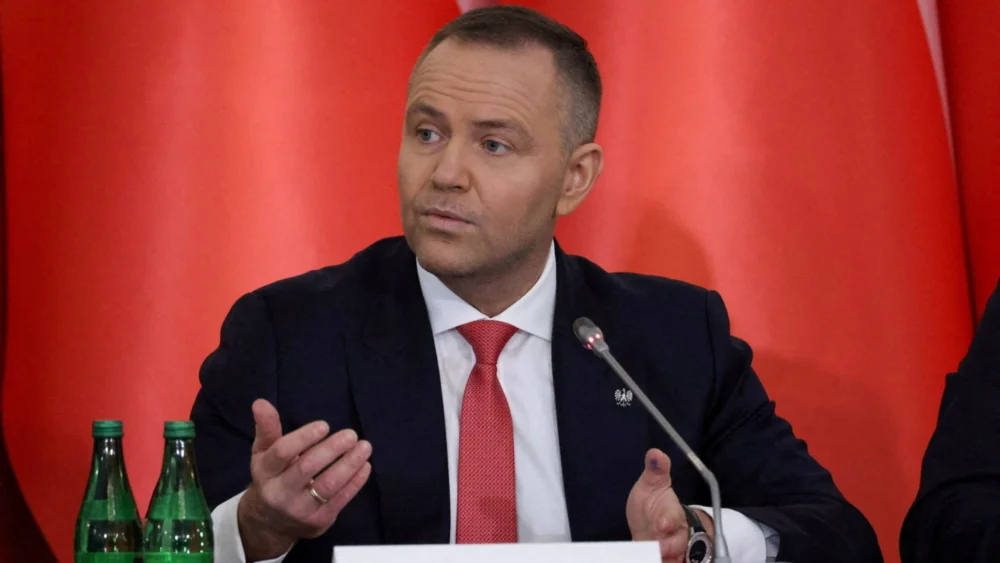
Poland’s Head of State has exercised his veto power to block crucial European Union funding streams designated for both defense initiatives and content development, a move that has sent ripples of concern through Brussels and across member states, potentially impacting the bloc’s strategic autonomy and digital landscape.
The decision by Polish President Andrzej Duda to withhold his assent from EU financial allocations intended for bolstering the continent’s defense capabilities and fostering diverse digital content represents a significant divergence from the unified stance often championed by the European Union. This executive action, rooted in a complex interplay of national interests and evolving geopolitical realities, introduces a considerable impediment to two key pillars of the EU’s forward-looking agenda. The implications of this veto are far-reaching, touching upon the bloc’s ability to project security, respond to emerging threats, and cultivate a vibrant and sovereign digital sphere.
A Strategic Crossroads: Defense Funding Under Scrutiny
The veto’s impact on defense funding warrants particular attention given the current volatile international security environment. The European Union has been increasingly focused on enhancing its collective defense capabilities, a response to escalating geopolitical tensions and a recognition of the need to supplement, and in some instances, parallel NATO’s efforts. Funding mechanisms aimed at stimulating joint procurement of military equipment, fostering research and development in defense technologies, and enhancing the interoperability of member state armed forces have been central to this strategy.
President Duda’s decision to block these funds raises critical questions about Poland’s commitment to these collective security endeavors. As a frontline state within the EU and NATO, Poland has historically been a vocal proponent of robust defense spending and a strong stance against external aggression. Therefore, this veto appears to contradict this established position, prompting speculation about the underlying motivations. Potential factors could include domestic political considerations, a desire to renegotiate the terms of EU contributions, or a perceived misalignment between the proposed EU initiatives and Poland’s own national defense priorities.
The ramifications extend beyond mere financial allocation. A unified European defense capability is seen by many as essential for the bloc’s strategic autonomy – its ability to act independently on the global stage. Disruptions to funding for joint projects could slow down the development and deployment of crucial military assets, potentially weakening the EU’s overall security posture. Furthermore, it could create a precedent for other member states to question or obstruct similar funding initiatives, leading to fragmentation and inefficiency within the EU’s defense architecture. Analysts suggest that this veto could necessitate a re-evaluation of how defense funding is structured within the EU, potentially leading to more bilateral or ad-hoc arrangements if multilateral approaches are perceived as unreliable.
Navigating the Digital Frontier: Content and Sovereignty
Equally significant is the veto’s effect on EU funding for content development. This aspect of the EU’s agenda is multifaceted, encompassing initiatives to support European cultural production, promote media diversity, combat disinformation, and foster the growth of indigenous digital platforms. In an era increasingly dominated by global digital giants, the EU has sought to cultivate its own digital sovereignty, ensuring that its citizens have access to a rich and varied information ecosystem that reflects European values and perspectives.
The blocked funding could impede efforts to support independent journalism, subsidize the creation of European films and television programs, and invest in digital infrastructure that can compete with established international players. This is particularly relevant in the context of combating foreign interference and disinformation campaigns, where a robust and diverse domestic media landscape is considered a crucial bulwark. By withholding support for content initiatives, Poland’s president may inadvertently weaken the EU’s ability to counter such threats and promote its own narratives.
The rationale behind this aspect of the veto is less immediately clear than the defense funding. It is possible that concerns relate to the perceived ideological slant of certain content initiatives, fears of state interference in media, or a preference for market-driven solutions over EU-led support. Regardless of the precise reasoning, the veto signals a potential disconnect between Poland and the broader EU vision for a sovereign and culturally vibrant digital space. This could lead to a more fragmented European digital market and a diminished capacity for the EU to shape global digital norms. Experts are observing whether this move signals a broader trend of national reticence towards EU-driven digital policy, or if it is a specific response to the details of the proposed content funding.
Domestic Politics and International Relations
Understanding President Duda’s veto requires an examination of Poland’s domestic political landscape and its intricate relationship with the European Union. Poland has been a member of the EU since 2004, and its political trajectory has often been characterized by a strong national identity and a degree of skepticism towards deeper European integration. The current government, and by extension its president, has at times clashed with Brussels over issues such as the rule of law, judicial reforms, and the extent of EU authority.
It is plausible that this veto is a strategic maneuver aimed at asserting national sovereignty and signaling a desire for greater autonomy within the EU framework. By blocking funding that is perceived as potentially encroaching on national prerogatives or not fully aligned with domestic priorities, the Polish leadership might be seeking to renegotiate the terms of its engagement with the EU or to extract concessions on other fronts. This approach, while potentially serving domestic political objectives, carries the risk of alienating allies and undermining Poland’s influence within the Union.
Furthermore, the timing of this veto is significant. It comes at a moment when the EU is grappling with numerous challenges, including the ongoing war in Ukraine, economic instability, and the need for a cohesive response to climate change. In such a context, actions that create division or uncertainty within the bloc can be particularly damaging. The veto could embolden other Eurosceptic voices within the EU and further complicate the bloc’s efforts to present a united front on critical issues.
Looking Ahead: Potential Consequences and Future Trajectories
The immediate consequence of President Duda’s veto is the disruption of planned financial flows for critical EU programs. This will likely necessitate a period of negotiation and recalibration within the EU institutions. The European Commission and the Council will need to find ways to address Poland’s concerns, either by amending the proposed funding packages or by seeking alternative avenues to achieve the desired outcomes.
In the realm of defense, the delay in funding could slow down the implementation of important joint projects, potentially impacting the EU’s military readiness. This might also lead to a greater reliance on national defense efforts or bilateral agreements between member states, potentially fragmenting the European defense landscape. The long-term effect could be a less integrated and less effective European defense capability.
On the content front, the blocked funding could hinder the development of a truly European digital ecosystem, leaving the EU more vulnerable to the influence of foreign digital platforms and narratives. It could also impact the diversity and richness of cultural content available to European citizens. The EU may need to explore new models for supporting its cultural industries and fostering digital sovereignty, perhaps with a greater emphasis on public-private partnerships or decentralized initiatives.
The Polish president’s decision serves as a stark reminder of the inherent complexities of governing a bloc of diverse nations. While the EU strives for common goals and shared strategies, national interests and political considerations will inevitably shape individual member states’ approaches. The challenge for the EU moving forward will be to find mechanisms that can reconcile these differing perspectives without compromising the bloc’s overarching objectives. The effectiveness of these future negotiations and the ability of the EU to adapt to such challenges will ultimately determine the long-term impact of this veto on the Union’s strategic trajectory. The coming months will be crucial in observing how Warsaw and Brussels navigate this latest divergence, and what it portends for the future of European cooperation in defense and the digital domain.

 Aura Kasih
 Safa Marwah
 Ayu Aulia