Lisa Mariana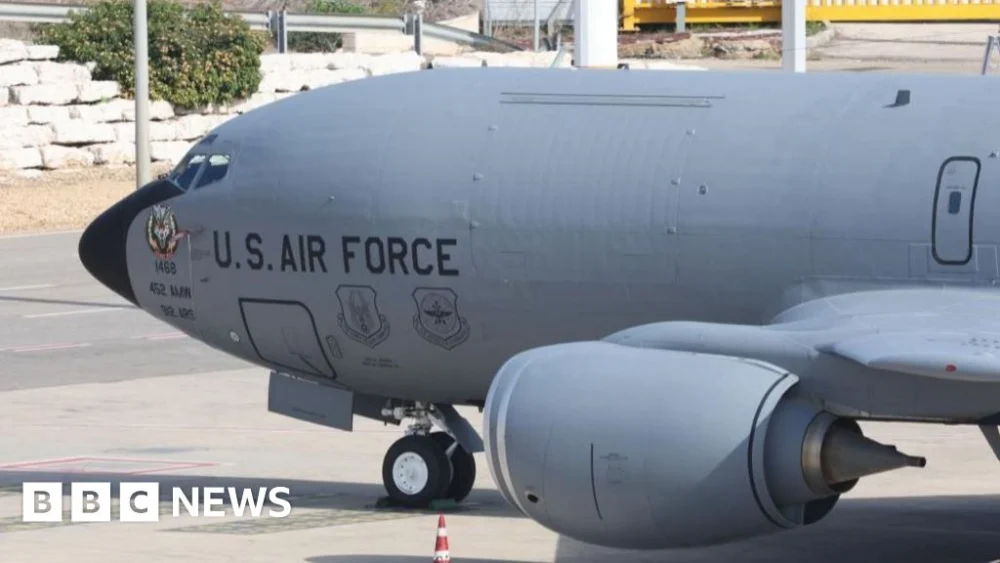
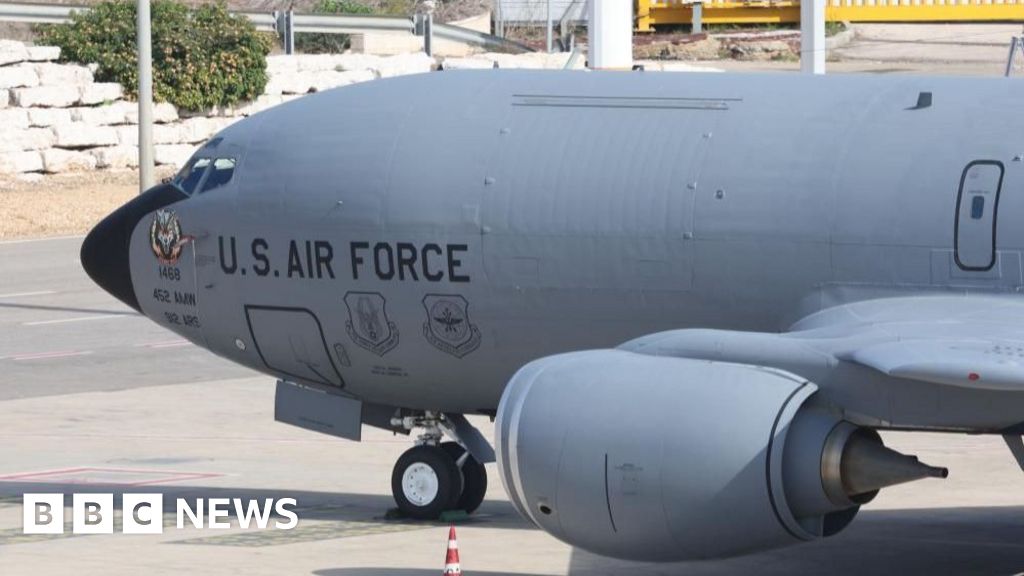
A profound loss has struck the United States military following the catastrophic crash of a critical aerial refueling aircraft in western Iraq, resulting in the fatalities of four out of six crew members aboard the specialized jet. The incident, confirmed by US Central Command (Centcom), involved a Boeing KC-135 Stratotanker, a cornerstone of American air power projection, and occurred amidst an increasingly volatile geopolitical landscape characterized by escalating regional conflicts and persistent threats to US interests.
The ill-fated aircraft, a KC-135 Stratotanker, experienced a sudden and unexplained failure on Thursday, approximately at 14:00 Eastern Time (19:00 GMT), while engaged in routine operational duties within Iraqi airspace. Centcom promptly initiated extensive rescue and recovery operations for the six personnel on board. While two crew members were successfully extricated, the remaining four tragically perished in the crash. The identities of the fallen service members are being respectfully withheld for a period of 24 hours to ensure proper notification of their next of kin, adhering to established military protocols. Authorities have commenced a thorough investigation to ascertain the precise circumstances that led to this devastating event, emphasizing the complexity and inherent risks associated with modern military aviation.
Initial assessments from Centcom indicated that neither hostile engagement nor friendly fire contributed to the downing of the aircraft, suggesting a potential mechanical malfunction, human error, or an environmental factor as the primary cause. This preliminary determination is crucial in understanding the nature of the incident, particularly given the operational environment in Iraq. However, the official narrative was swiftly challenged by claims from state media in Iran, which reported that an allied militia group operating in the region had asserted responsibility for targeting the US plane with a missile. Such conflicting accounts underscore the prevailing information warfare and propaganda dynamics inherent in the Middle East, complicating objective analysis and highlighting the need for a comprehensive, impartial inquiry. A second US military aircraft, also involved in the same operational sortie, successfully landed without incident, further narrowing the focus of the ongoing investigation to the specific airframe that crashed.
The Boeing KC-135 Stratotanker represents a foundational component of the United States Air Force’s global reach capabilities. Developed in the 1950s and early 1960s, these venerable aircraft have served as the backbone of the air refueling fleet for decades, enabling combat and support aircraft to extend their operational range and endurance significantly. By providing mid-air fuel transfers, the KC-135s allow fighter jets, bombers, and surveillance aircraft to conduct longer missions without the necessity of landing, thereby enhancing strategic flexibility and responsiveness. Their operational history includes extensive deployment during the first Gulf War, where they proved indispensable in sustaining air campaigns across vast distances. A typical KC-135 crew comprises at least a pilot, a co-pilot, and a boom operator, the latter being a highly specialized role responsible for physically connecting the refueling boom to receiving aircraft in flight—a maneuver requiring exceptional precision and skill. The loss of such an aircraft, therefore, is not merely a material setback but also represents the tragic loss of highly trained and experienced personnel vital to maintaining the US military’s aerial superiority.
The crash occurred in western Iraq, a region where US forces maintain a presence as part of broader counter-terrorism efforts and support missions for Iraqi security forces. This area is also known for the operational activities of various pro-Iranian militias, which frequently engage in proxy conflicts with US and allied forces across the broader Middle East. The reference to the tanker being involved in "ongoing US operations against Iran" points to the multifaceted and often clandestine nature of regional power dynamics. These operations can encompass a spectrum of activities, from intelligence gathering and surveillance to logistical support for deterrence postures against Iranian influence. The increased frequency of incidents involving US personnel and assets in the region reflects a significant escalation in tensions, particularly since the broader regional destabilization triggered by recent conflicts.
The incident is not isolated, forming part of a concerning trend of US military losses in the region. Since the onset of heightened hostilities in the Middle East, a total of seven US service members have been confirmed killed in the conflict, and the US military has now sustained the loss of at least four aircraft during the current operational period. Earlier in the month, a separate incident involved three F-15 fighter jets being shot down over Kuwait in what officials described as "an apparent friendly fire incident." While all six crew members from the F-15s were able to safely eject, the recurrence of such events, regardless of the cause, underscores the inherent dangers and complexities of military operations in a highly contested environment. The distinction between the F-15 incident (friendly fire, crew survival) and the KC-135 crash (unclear cause, tragic fatalities) highlights the diverse challenges faced by aircrews and operational planners.
The ramifications of this latest crash extend beyond the immediate human tragedy and material loss. From an operational standpoint, the loss of a KC-135 Stratotanker, while not crippling to the overall fleet, nonetheless represents a reduction in critical aerial refueling capacity and necessitates a review of operational protocols, maintenance schedules, and flight safety procedures. Such reviews are standard practice after any significant aviation incident and are vital for preventing future occurrences. The cost of a modern KC-135 replacement is substantial, adding to the financial burden of sustained military presence.
Geopolitically, the incident has the potential to further inflame regional tensions. The swift claim of responsibility by Iranian state media, even if unsubstantiated by US authorities, serves as a propaganda tool and could be interpreted as a defiant gesture in the ongoing shadow war between the US and Iran. This narrative clash highlights the critical importance of a thorough and transparent investigation, the findings of which will be closely scrutinized by all regional actors. Should evidence emerge of hostile action, the implications for US engagement in Iraq and its broader Middle East strategy would be profound, potentially necessitating a reassessment of force protection measures and rules of engagement. Conversely, if mechanical failure or human error is determined to be the cause, it would still prompt internal reviews within the US military regarding equipment reliability and training standards, yet without the same immediate escalatory risk.
Looking ahead, the investigation into the KC-135 crash will be pivotal. It will undoubtedly delve into all possible contributing factors, including the aircraft’s maintenance history, the specific environmental conditions at the time of the incident, and any potential operational anomalies. The findings will not only honor the memory of the fallen by providing clarity but will also inform future safety enhancements and operational adjustments. This tragic event serves as a stark reminder of the continuous risks faced by military personnel deployed in complex and often hostile theaters of operation, underscoring the enduring challenges of maintaining stability and security in the volatile Middle East. The delicate balance between deterrence, security cooperation, and managing regional rivalries ensures that every such incident carries significant weight, impacting strategic calculations and human lives alike.




 Aura Kasih
 Safa Marwah
 Ayu Aulia