Aura Kasih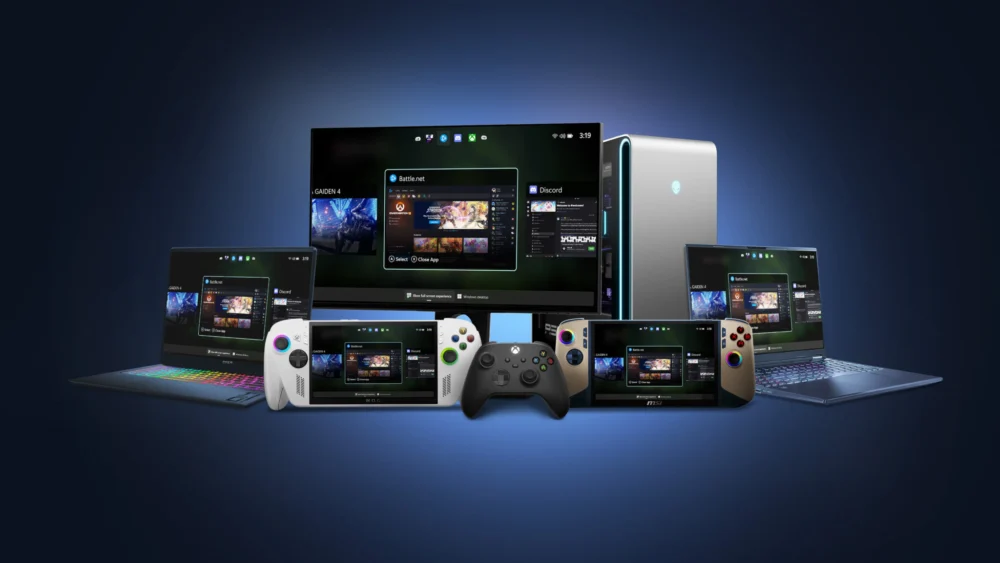
In a significant move to consolidate its gaming presence, Microsoft is set to roll out a dedicated, full-screen gaming interface, dubbed "Xbox mode," across all Windows 11 personal computers. This strategic initiative aims to bridge the gap between the PC and Xbox gaming experiences, promising a more streamlined and console-like environment for PC gamers, and signifies a heightened commitment to the convergence of Microsoft’s gaming platforms. Previously accessible only to a select group of testers through Insider programs, this feature will become broadly available starting in April, signaling a new era of unified gaming on the Windows operating system.
The evolution of the Xbox experience on Windows has been a gradual but persistent endeavor, with Microsoft consistently seeking to harmonize its software and hardware offerings. The introduction of the Xbox Full Screen Experience (FSE), which has been undergoing testing since late 2025, represents a crucial step in this ongoing integration. While initial iterations, particularly when integrated with handheld devices like the Asus ROG Ally, did not fully deliver on the promise of a seamless console-like experience, Microsoft’s continued investment and refinement suggest a renewed focus on achieving this objective. The fact that the company is now extending this feature to the entirety of the Windows 11 user base underscores its conviction in the viability and importance of this unified gaming approach.
This expansion into the broader Windows 11 ecosystem is not merely an aesthetic update; it represents a fundamental shift in how Microsoft envisions PC gaming. By creating an "Xbox mode," the company is attempting to distill the core elements that make the Xbox console experience appealing – its intuitive interface, curated content access, and optimized performance – and transpose them onto the diverse landscape of Windows PCs. This includes not only traditional desktop and laptop computers but also the increasingly popular tablet form factor, suggesting an ambition to cater to a wide spectrum of gaming preferences and hardware configurations. The underlying technology, while initially facing developmental hurdles, has reportedly seen significant improvements, with the more recent iteration of the Xbox Ally hardware demonstrating a level of reliability that was previously a concern for Windows-based handheld gaming devices.
The strategic importance of this move cannot be overstated. Microsoft has long aspired to position Windows as a premier gaming platform, and the integration of Xbox functionalities is a key component of this strategy. By making "Xbox mode" a standard feature, the company aims to lower the barrier to entry for new gamers and enhance the experience for existing PC players. This could involve simplifying game discovery, optimizing system resources for gaming, and providing a more consistent interface across different hardware. The potential implications for the gaming industry are far-reaching, as it could lead to increased adoption of PC gaming, greater competition among hardware manufacturers, and a more cohesive digital gaming ecosystem.
Beyond the user-facing interface, Microsoft is also making substantial advancements in the underlying technologies that power PC gaming. At the recent Game Developers Conference, the company announced the broad availability of Advanced Shader Delivery for all developers publishing games through the Xbox store. This feature allows for the precompilation and delivery of shaders, which are essential components for rendering graphics in games. By providing these precompiled shaders alongside game downloads, Microsoft aims to significantly reduce game loading times. This technique, already a common practice in the console space, is also being adopted by PC platforms like Steam, highlighting a growing trend towards optimizing the initial user experience through efficient asset management.

The implications of Advanced Shader Delivery are particularly significant for players with slower storage devices or for those who frequently install and uninstall games. Reduced loading times translate directly into more time spent playing and less time waiting, a crucial factor in player satisfaction and retention. For developers, this offers an opportunity to enhance the perceived performance of their games without requiring extensive optimization efforts on their part, potentially leading to a more consistent and positive player experience across a wider range of hardware.
Further technical enhancements detailed at the conference point towards Microsoft’s commitment to pushing the boundaries of PC graphics and performance. Updates to DirectX, the foundational graphics API for Windows, are moving towards incorporating neural rendering techniques. This suggests a future where AI-powered rendering could dramatically improve visual fidelity, enable more complex visual effects, and potentially reduce the computational burden on hardware. This is a frontier that promises to redefine graphical capabilities in video games, making them more immersive and visually stunning than ever before.
DirectStorage, another key technology, is also receiving attention, focusing on accelerating the movement of game assets from storage to the graphics processing unit (GPU). This is critical for open-world games and titles that rely on streaming large amounts of data, as it directly contributes to faster loading of environments, textures, and other game elements. By optimizing this data pipeline, Microsoft is ensuring that the increasing complexity of modern game worlds can be rendered smoothly and efficiently on Windows PCs.
The emphasis on graphics debugging tools also signals Microsoft’s dedication to supporting developers in creating high-quality gaming experiences. Robust debugging capabilities are essential for identifying and resolving performance bottlenecks, visual glitches, and other issues that can detract from gameplay. By providing advanced tools in this area, Microsoft empowers developers to deliver polished and performant titles that take full advantage of the Windows platform’s capabilities.
The convergence of Xbox and Windows is a strategic imperative for Microsoft, aiming to leverage the vast user base of Windows to expand the reach of its gaming ecosystem. By making the Xbox experience more accessible and integrated within Windows, the company seeks to create a synergistic relationship where PC gaming benefits from Xbox’s curated content and optimized experiences, and Xbox benefits from the broader hardware accessibility and flexibility of the PC. This dual approach is intended to drive engagement across both platforms, foster a larger community of players, and ultimately increase Microsoft’s market share in the increasingly competitive gaming industry.
The long-term vision appears to be one where the lines between PC and console gaming become increasingly blurred. The introduction of "Xbox mode" is a tangible step in this direction, offering a more unified and console-like experience for PC gamers. Coupled with advancements in graphics technology, performance optimization, and developer tools, Microsoft is building a robust foundation for the future of gaming on Windows. As the company continues to iterate and refine these features, the expectation is that Windows PCs will become an even more compelling and accessible platform for gamers worldwide, solidifying Microsoft’s position as a dominant force in the global gaming landscape. The ongoing development of next-generation Xbox hardware, codenamed "Project Helix," which is anticipated to play PC games, further underscores this commitment to a unified gaming future. This comprehensive strategy, encompassing both software and hardware integration, signals a bold new chapter for Microsoft’s gaming ambitions.




 Safa Marwah
 Ayu Aulia
 Lisa Mariana