Ridwan Kamil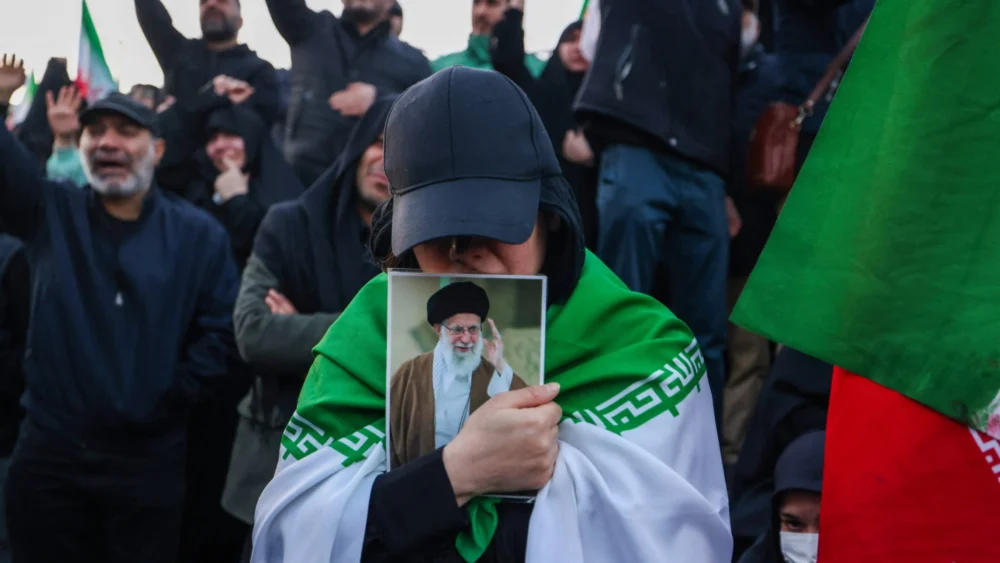
Iranian hardliners are strategically employing the legacy of the deceased Supreme Leader Ayatollah Ruhollah Khomeini, framing him as a martyr, to galvanize support and reinforce existing alliances across the region, a move interpreted as a critical effort to consolidate power and project influence in a complex international landscape. This narrative, carefully curated and disseminated, aims to evoke a shared ideological fervor and a sense of historical continuity among sympathetic states and non-state actors, thereby strengthening Iran’s position against perceived external pressures and internal dissent.
The passing of Ayatollah Ruhollah Khomeini, the architect of the Islamic Revolution, remains a pivotal moment in Iranian history and continues to serve as a potent symbol for its political and religious establishment. For hardline factions within the current Iranian leadership, Khomeini is not merely a historical figure but a revered martyr, whose sacrifice and unwavering principles are invoked to legitimize their policies and rally support both domestically and internationally. This portrayal is particularly significant in the current geopolitical climate, where Iran seeks to solidify its regional influence and counter the perceived threats from adversaries. By emphasizing Khomeini’s martyrdom, Tehran aims to foster a sense of shared purpose and ideological kinship with allied states and proxy groups, thereby reinforcing a bulwark against perceived external pressures and internal challenges to the revolution’s core tenets.
The strategic invocation of Khomeini’s martyred status is a multifaceted campaign designed to achieve several critical objectives. Firstly, it serves to bolster the legitimacy of the current Iranian regime by associating its policies with the revered founder of the Islamic Republic. This historical continuity is crucial for maintaining internal cohesion and projecting an image of unwavering adherence to the revolution’s ideals. Secondly, and perhaps more importantly in the current context, this narrative is employed to strengthen Iran’s regional network of allies and proxies. By highlighting Khomeini’s commitment to supporting anti-imperialist struggles and oppressed Muslim communities, Tehran seeks to forge deeper bonds with groups and nations that share a similar worldview or perceive themselves as victims of Western hegemony. This ideological resonance is a powerful tool for maintaining influence and projecting power beyond Iran’s borders.
The narrative surrounding Khomeini’s martyrdom is carefully constructed to resonate with specific audiences. For supporters within Iran, it reinforces a sense of national pride and ideological commitment, fostering unity in the face of economic sanctions and international isolation. The idea of a sacrifice for the greater good of the nation and Islam can be a powerful rallying cry, encouraging resilience and steadfastness. Beyond Iran’s borders, the narrative is tailored to appeal to groups that have historically benefited from or align with Iranian support. This includes various Shiite militias in Iraq and Lebanon, the Houthi movement in Yemen, and potentially other sympathetic factions across the Middle East. By framing Khomeini as a martyr for the cause of resistance against perceived oppressors, Tehran seeks to deepen these alliances, ensuring continued loyalty and operational support.
The geopolitical implications of this strategy are significant. In a region marked by persistent instability and complex power dynamics, Iran’s ability to mobilize a network of allied forces, often referred to as the "Axis of Resistance," is a key component of its foreign policy. The emphasis on Khomeini’s martyrdom serves as an ideological glue, binding these disparate groups under a common banner and shared sense of purpose. This can translate into coordinated political maneuvering, intelligence sharing, and, in some cases, military cooperation, effectively extending Iran’s reach and influence. For adversaries of Iran, such as Saudi Arabia and Israel, this strategy represents a persistent challenge, as it underscores the enduring appeal of Iran’s revolutionary ideology and its ability to leverage it for regional advantage.
Furthermore, the invocation of Khomeini’s legacy can be seen as a counter-narrative to efforts by external powers to isolate and undermine Iran. By drawing upon a potent historical and religious symbol, Tehran seeks to project an image of strength, resilience, and unwavering commitment to its principles. This can be particularly effective in countering diplomatic pressure and sanctions, as it frames Iran’s actions not as aggression but as a defense of its revolutionary ideals and a stand against injustice. The narrative of martyrdom also imbues the current leadership with a moral authority, suggesting that their policies are a continuation of a sacred mission, thereby making them more resistant to external criticism or internal dissent.
The effectiveness of this strategy, however, is not without its limitations. While the narrative of martyrdom holds significant sway among dedicated supporters and within established networks, its appeal may be more limited among broader populations within the region, particularly those who do not share Iran’s ideological orientation or who have been negatively impacted by the actions of Iranian-backed groups. Moreover, the economic and political realities faced by many of these allied states and groups can strain even strong ideological bonds. Sustained sanctions on Iran, for instance, can impact its ability to provide material support, potentially weakening the loyalty of its proxies.
Looking ahead, the continued reliance on the martyrdom narrative for Ayatollah Khomeini suggests a strategic imperative for Iran to maintain its regional influence and ideological coherence. As the geopolitical landscape continues to evolve, with shifting alliances and emerging challenges, Tehran will likely continue to draw upon this potent symbol to reinforce its core identity, galvanize its supporters, and solidify its network of regional partners. The success of this strategy will depend on a complex interplay of ideological appeal, material support, and the evolving perceptions of regional actors and international powers. The enduring legacy of Khomeini, skillfully wielded by hardline elements, remains a central pillar of Iran’s foreign policy and its quest for regional prominence. This approach underscores a broader trend in international relations where historical narratives and ideological frameworks are increasingly utilized as tools of statecraft, shaping alliances, influencing perceptions, and projecting power in a highly contested global arena. The deliberate cultivation of Khomeini’s martyrdom is a testament to Iran’s strategic foresight in leveraging its revolutionary past to navigate its complex present and shape its future regional standing.


 Aura Kasih
 Safa Marwah
 Ayu Aulia