Lisa Mariana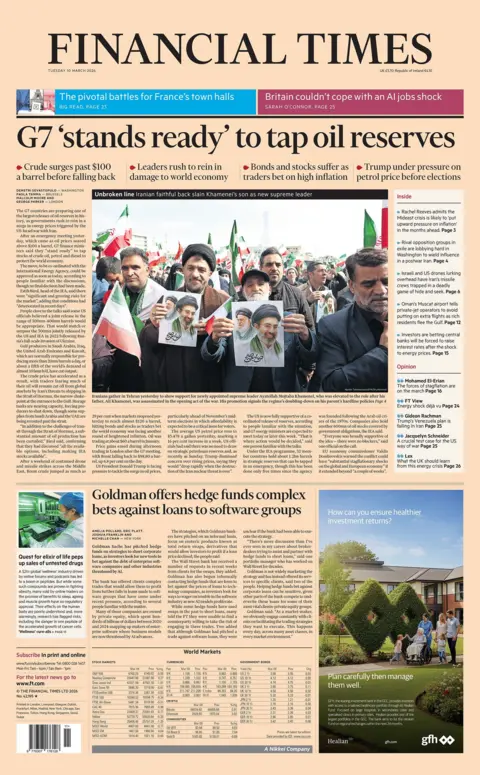
The international community is navigating a complex period marked by significant shifts in geopolitical dynamics, with assertions from the United States signaling the imminent end of a prolonged military engagement in the Middle East, yet simultaneously grappling with substantial domestic economic pressures, primarily driven by surging global energy prices and their cascading effects on consumer costs.
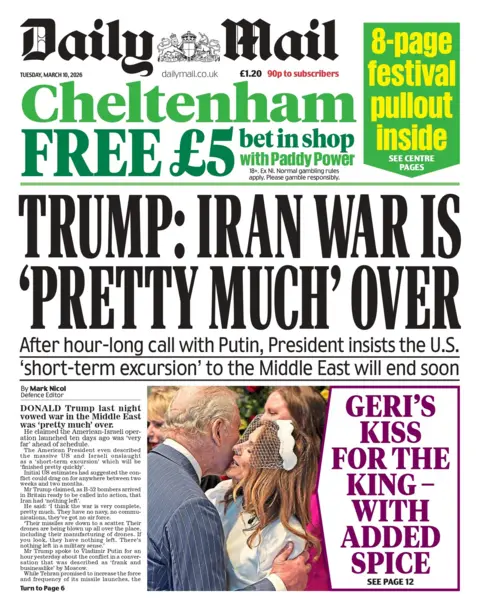
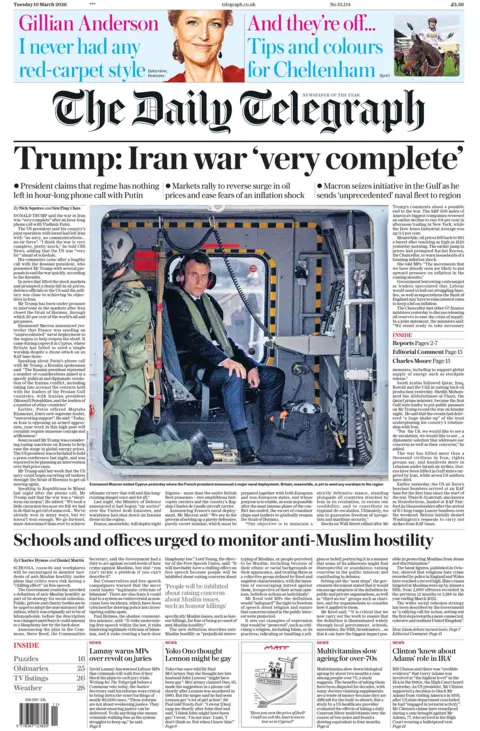
The cessation of hostilities in the Middle East, specifically the conflict involving Iran, has become a prominent focal point in recent international discourse. US President Donald Trump has repeatedly conveyed a message of decisive progress, indicating that the conflict is "pretty much over" and "very complete." These pronouncements follow a period of intense military activity, with reports from the US administration detailing a strategic ten-day campaign of joint US-Israeli strikes that purportedly "obliterated Tehran’s navy, air force and communications." Such an outcome, if substantiated, would represent a significant shift in the regional power balance and a potential de-escalation of a conflict that has held the world’s attention. The President’s optimistic outlook was further underscored by an hour-long phone conversation with Russian President Vladimir Putin, suggesting high-level diplomatic engagement preceding these public statements about the winding down of what Trump termed a "short-term excursion" in the region. This implies a coordinated, or at least acknowledged, effort among major global powers to conclude the military phase of the confrontation, raising questions about the future political and security architecture of the Middle East.
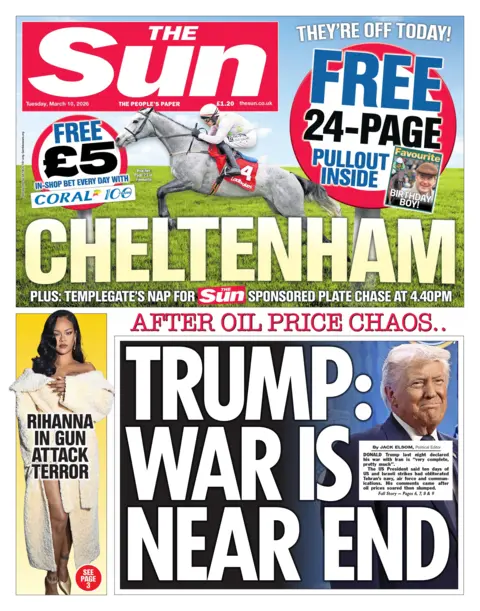
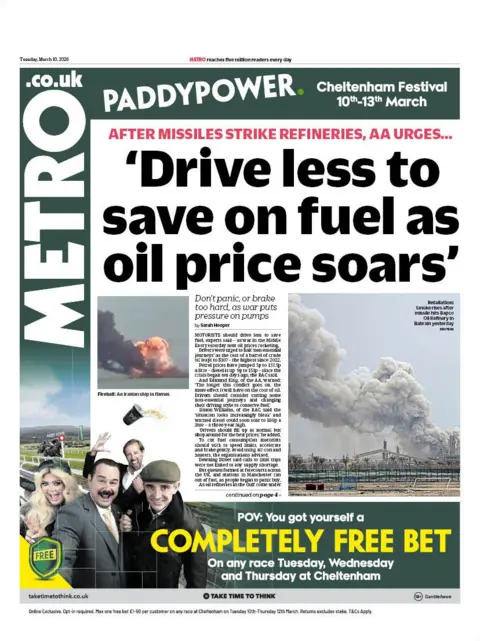
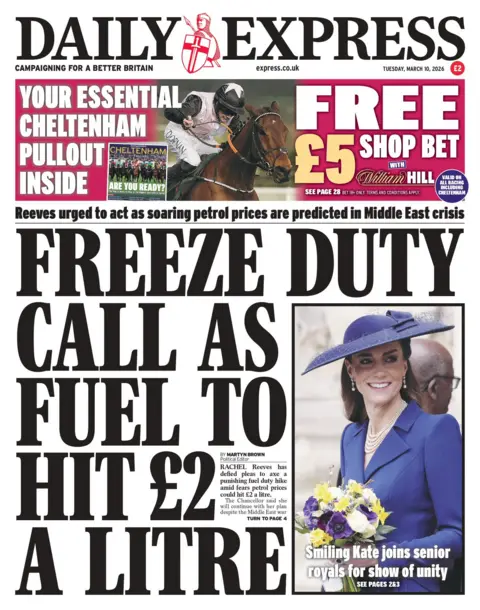
Domestically, in the United Kingdom, these international developments have immediate and tangible repercussions, particularly concerning the cost of living and energy security. The "oil price chaos" that preceded Trump’s declarations saw a dramatic spike in crude oil benchmarks, with prices leaping to $107 a barrel – a level not witnessed since 2022. This sharp increase, largely attributed to the "war putting pressure on pumps" following missile strikes on refineries, has translated directly into higher costs for petrol and diesel at the consumer level. Industry bodies, such as the Automobile Association (AA), have responded by advising British motorists to "drive less to save on fuel," acknowledging the strain on household budgets. Fears are mounting that petrol prices could soon reach an unprecedented £2 per litre, exacerbating an already challenging cost-of-living crisis.
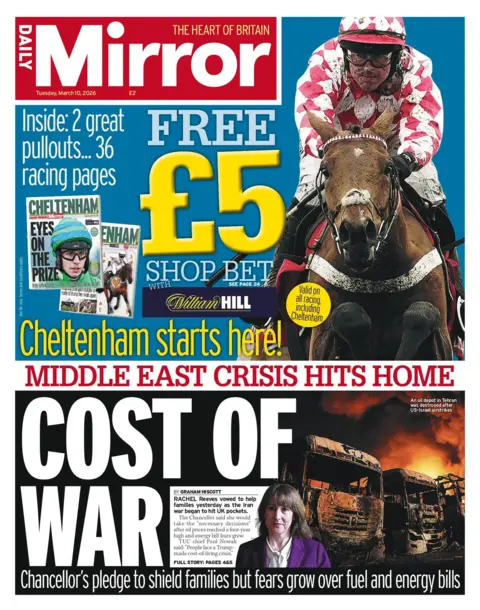
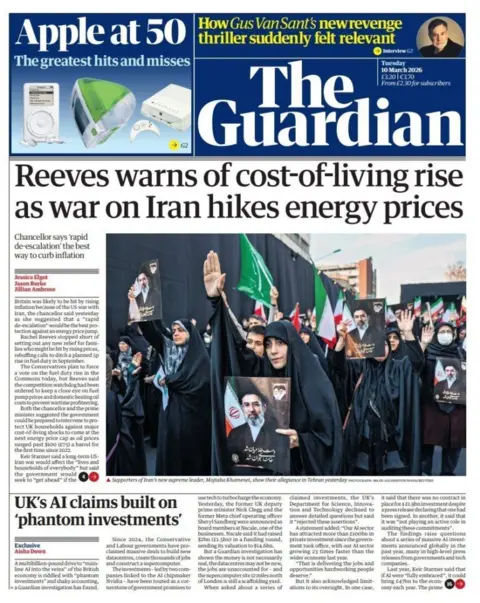
The economic implications of the Middle East crisis have prompted urgent responses from UK political figures. Shadow Chancellor Rachel Reeves publicly "vowed to help families" contending with the "cost of war," recognizing that the "Iran war began to hit UK pockets" through soaring energy bills and fuel costs. Reeves emphasized the necessity of "rapid de-escalation" as "the best way to curb inflation," highlighting the intricate link between geopolitical stability and domestic economic well-being. Despite these concerns, Reeves has "defied pleas to axe a punishing fuel duty hike," indicating a complex fiscal balancing act for the government. The broader international community has also mobilized, with G7 finance ministers convening an emergency meeting to address the energy crisis. These nations are reportedly "preparing one of the largest releases of oil reserves in history," a strategic move designed to stabilize global oil markets and mitigate the impact of price volatility on consumer economies worldwide.
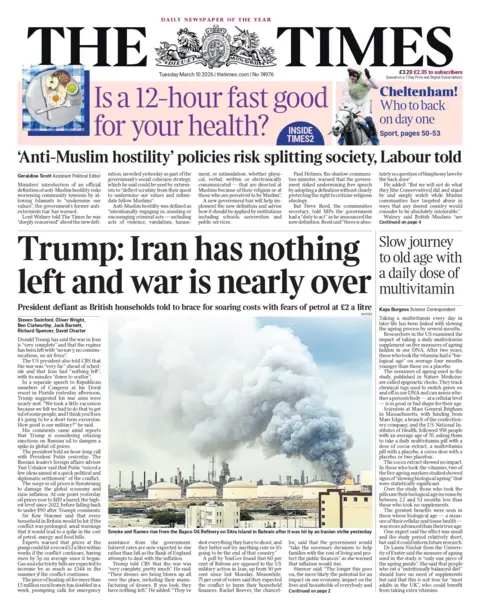
Beyond the immediate geopolitical and economic headlines, several other significant domestic issues are capturing public and governmental attention in the UK. The government has recently unveiled its social cohesion strategy, which includes a directive for schools and offices to "monitor anti-Muslim hostility." This initiative follows an acknowledgement from Communities Secretary Steve Reed in the Commons of "record levels of hate crime against Muslims," underscoring the government’s perceived "duty to act" against such discrimination and foster greater societal harmony. The strategy reflects a growing awareness of social divisions and the need for proactive measures to promote integration and combat prejudice within British communities.
In the realm of technological advancement and economic development, scrutiny has been cast upon the UK’s ambitious claims regarding artificial intelligence (AI) investment. An investigative report by a major newspaper suggests that the "UK’s AI claims built on ‘phantom investments’." Both Labour and Conservative government pledges to "turbocharge the economy" through deals with AI companies, including promises to "build new datacentres, create thousands of jobs and construct a supercomputer," have been questioned. The Department of Science, Innovation and Technology, while rejecting the assertions of "phantom investments," has not provided detailed responses to the specific queries raised by the investigative journalism. This highlights the ongoing challenge of transparency and accountability in ambitious government projects, particularly in rapidly evolving sectors like AI, where investment figures and projected outcomes can be complex and difficult to verify independently.
Further afield, intriguing scientific developments are also making headlines. US researchers have reportedly found that "taking a multivitamin every day in later life has been linked with slowing the ageing process by several months." While such findings require further extensive validation, they offer a glimpse into potential advancements in public health and longevity, resonating with a demographic increasingly focused on wellness and healthy aging. This research, if confirmed and expanded upon, could influence future dietary recommendations and supplement usage among older populations, impacting a global industry focused on anti-aging solutions.
The diplomatic relationship between the UK and the US has also come under the microscope amidst the unfolding Middle East events. Reports suggest a "stormy call" between President Trump and UK Prime Minister Sir Keir Starmer, where Trump reportedly "dismissed PM’s Iran plea." An unnamed US source indicated that "Trump was not interested in the PM’s attempts to explain his decision to keep Britain out of bombing attacks on Iran regime." This episode points to potential divergences in strategic approaches between the two traditional allies, even as King Charles III’s planned state visit to the US is reportedly "still going ahead despite growing rift." Such diplomatic friction, even if contained, can have broader implications for multilateral cooperation and the perception of a unified Western front on critical global issues.
Finally, offering a contrasting note of national sporting interest, jockey Rachael Blackmore shared her anticipation for the upcoming Cheltenham Festival. In an exclusive interview, Blackmore expressed her excitement, stating, "I will be jumping for joy" at this year’s races. This brief foray into the world of equestrian sport serves as a reminder of the diverse range of news and human interest stories that coexist alongside the weightier global and economic developments, providing a temporary respite from the anxieties of international affairs and domestic financial strain. The juxtaposition of intense geopolitical shifts and everyday life underscores the multifaceted nature of contemporary news cycles, where global crises, national policy, scientific discovery, and cultural events all vie for public attention.


 Aura Kasih
 Safa Marwah
 Ayu Aulia